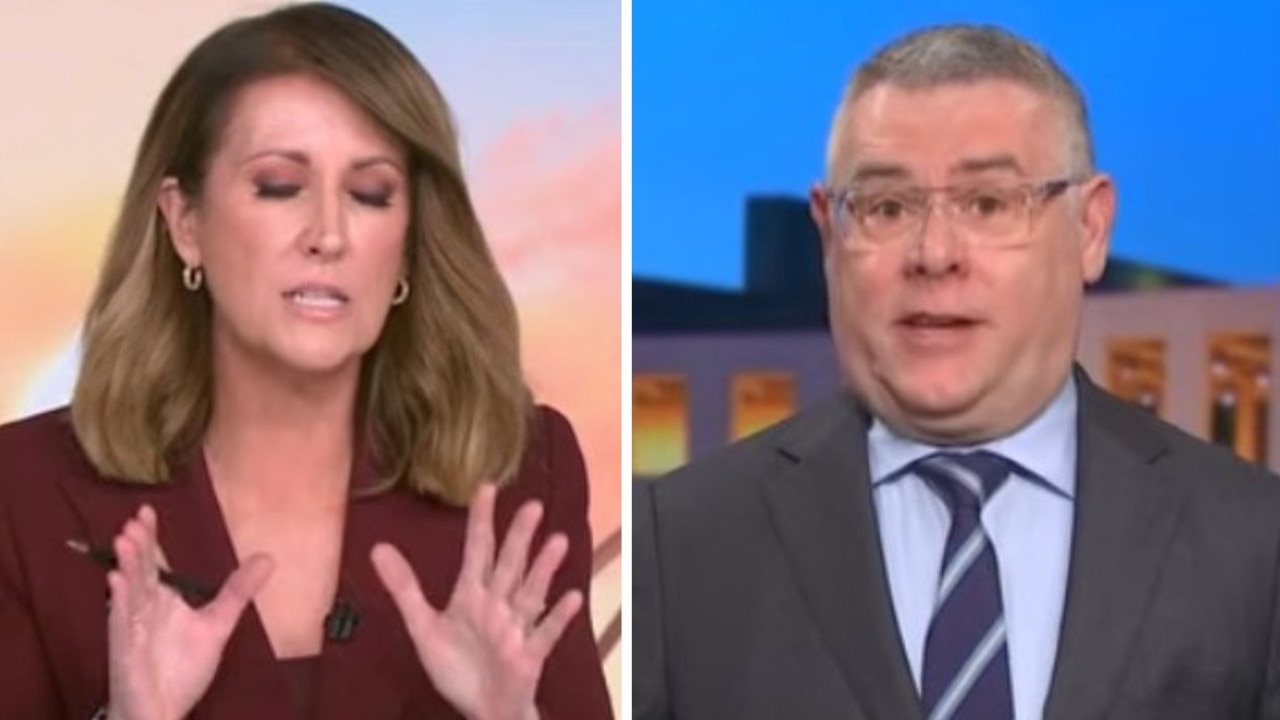

During a heated Monday morning interview, Australian MP Murray Watt faced intense questioning from journalist Nat Barr over the country’s ongoing fuel shortages. As regional Australia grapples with severe supply disruptions, the crisis has been exacerbated by the escalating conflict in Iran.
Mr. Watt assured viewers that his team is “working around the clock” to ensure supplies reach the areas most in need. However, Ms. Barr pressed him on whether the government had acted swiftly enough, asking if measures were taken “as soon as the first bombs hit Iran.”
“The government began work in responding to this as soon as this crisis started, but in fact, we actually began well before that,” Mr. Watt responded. He emphasized that upon coming into office, his administration increased the reserves of petrol and diesel compared to previous levels under former Deputy Prime Minister Barnaby Joyce.
Government Actions and Political Tensions
The exchange grew tense as Ms. Barr urged Mr. Watt to avoid political blame games. “The fuel is not at the stations. No one cares about the reserves if it’s not getting out there,” she stated, highlighting the immediate concerns of citizens.
Mr. Watt defended the government’s actions, noting, “We’ve taken these additional steps to change the sulphur rules to release some of the stockpile that we had in place.” Yet, Ms. Barr continued to question the timing of these actions, asking, “Could you have done that sooner?”
The interview highlighted the political friction surrounding the issue, with Mr. Watt pointing to steps taken over the past four years to address shortages inherited from the previous government. Meanwhile, Energy Minister Chris Bowen recently released part of the nation’s emergency fuel stockpile, providing six days’ worth of petrol and five days’ worth of diesel.
Australia currently holds 37 days’ worth of petrol supply, 29 days’ worth of jet fuel, and 30 days’ worth of diesel.
Impact of Global Events on Local Supply
The crisis is compounded by international developments, notably Iran’s closure of the Strait of Hormuz, a vital passageway for 20% of the world’s oil supply. This has led to volatile oil prices, which surged to nearly US$120 per barrel before settling at around $100.
As the war continues to escalate, its effects are felt acutely in Australia, where panic buying has set in. Towns like Robinvale and Hatah in Victoria’s northwest have completely run out of fuel. Nathan Falvo, owner of Robinvale’s Happy Valley store, reported limiting petrol sales to $50 per car before running out entirely.
A sign at Mr. Falvo’s store reads: “$50 per car. If you come back later in the day we will put you on the do not serve list.”
Community Concerns and Future Steps
Ms. Barr demanded answers for Australians like Mr. Falvo, who are now living without access to fuel. Mr. Watt acknowledged the difficulties faced by citizens, stating, “We can only do that because of the steps we’ve taken over the last three or four years when the place was left in a mess when we came into power.”
The political debate continued with Mr. Joyce accusing the government of lacking a plan. Mr. Watt countered by pointing out past decisions made by Mr. Joyce, such as storing fuel in Texas and closing refineries.
As the situation unfolds, the government faces mounting pressure to stabilize fuel supplies and address the broader implications of global conflicts on local resources. The coming weeks will be crucial in determining how effectively these challenges are managed.