

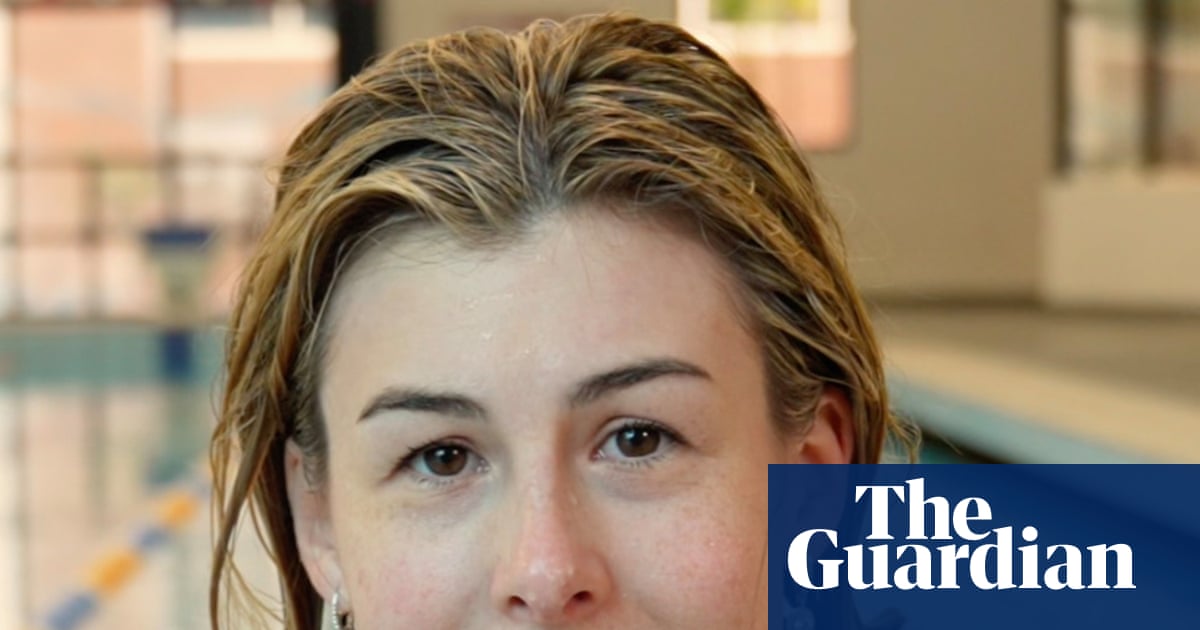


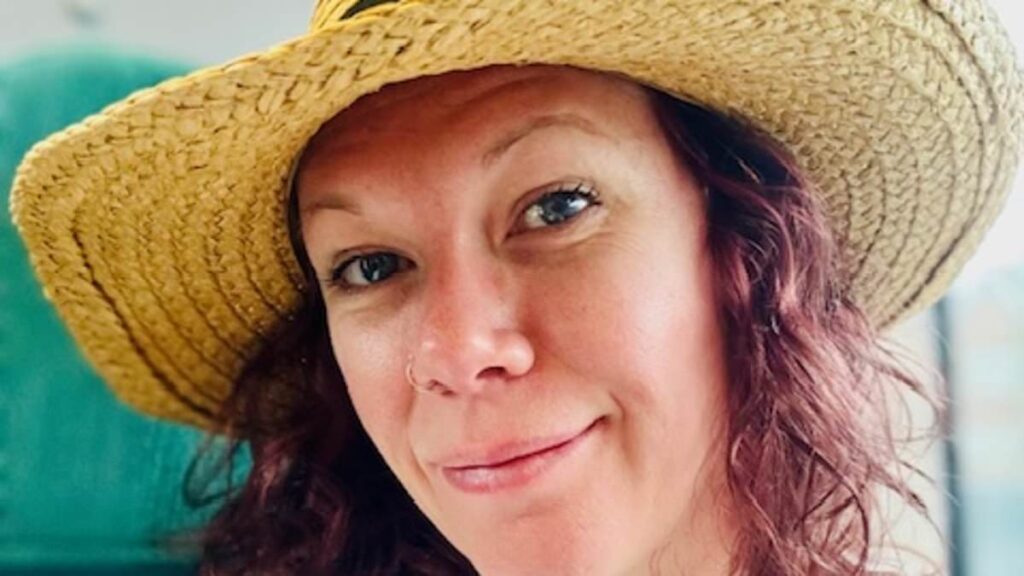
On the surface, Sonia Milne seemed to be the life of the party—always the fun, outgoing one. Yet, behind closed doors, a different story was unfolding. Sonia, originally from South Africa and now residing in the UK, battled alcohol addiction for nearly three decades.
“Alcohol has been part of my life for as long as I can remember,” Sonia, 43, shared with the Daily Mail. “Drinking has been like a family heirloom. It was always there in my upbringing.”
Sonia’s relationship with alcohol began at age 13 when she started drinking with friends. Although she can’t recall the specific drinks, the feelings of escapism and euphoria are vivid memories. “I grew up in a very hostile environment, so drinking became a way to escape from the chaos,” she explained.
The Early Struggles with Addiction
Her father kept a well-stocked bar at home, which Sonia began to raid, replacing vodka with water to conceal her consumption. Even as a teenager, her drinking was less about experimentation and more about coping with childhood trauma. She suffered from anxiety and depression, finding temporary relief in alcohol.
By 16, she was using marijuana socially, and by 18, she had moved on to party drugs like cocaine, MDMA, and ketamine. Despite this, alcohol remained her primary substance of choice. Her addiction escalated, and by her early 20s, Sonia was drinking heavily three to four days a week, often thinking about her next drink even while at work.
A Moment of Realization
Sonia first realized she had a problem after a humiliating incident at a friend’s party, where she grabbed the microphone during a speech and delivered an incoherent address. The night ended in a blackout, and the next morning she awoke with regret and unexplained bruises. This incident led her to her first Alcoholics Anonymous (AA) meeting, but she felt out of place among the older attendees.
“Most people there were in their 40s, 50s, and 60s, so I felt like I still had years before I needed help or to worry about it,” she said.
Her initial attempt at sobriety was unsuccessful, as she continued to drink heavily, often to the point of blackout. She even attended AA meetings under the influence of cocaine.
The Turning Point
By her 30s, Sonia had settled into a pattern of functioning alcoholism, maintaining a job while planning her days around drinking. Her mental health continued to decline, and the ritual of buying alcohol became a source of daily embarrassment.
The COVID-19 pandemic exacerbated her drinking. “I think for a lot of people, the lockdowns made it worse. Alcohol accelerates anxiety and depression. I was fueling it,” she admitted.
In May last year, overwhelmed by anxiety and depression, Sonia reached a breaking point and attempted to take her own life. “I was at breaking point; I was sick and tired of being sick and tired,” she confessed.
Discovering a New Path
During a drinking session, Sonia discovered an ad for Reframe, a neuroscience-based app designed to help people reduce or quit alcohol. The app offers education, daily guidance, and practical support, including habit tracking and community forums.
After years of unsuccessful attempts with AA, Sonia felt Reframe arrived at the perfect moment. However, she decided on one last drinking binge before committing to sobriety. “I did what any self-respecting alcoholic does, and I promised myself one last blowout,” she said.
After a three-day drinking session, she emerged with a vow: “Never again.” She opened the Reframe app and began her journey toward sobriety.
From that day—eight months ago—she hasn’t touched a drop of alcohol. “It’s saved my life,” she said.
Rebuilding a Life
Reframe’s approach, contrasting with AA’s moralizing, helped Sonia understand the science behind addiction and develop strategies to manage cravings. With continuous guidance and a supportive community, she has transformed her relationship with alcohol, improved her mental health, and regained control of her life.
Today, Sonia credits Reframe—a subscription app costing about US$100 annually—with helping her transition from survival mode to stability. “When you’re in the clutches of addiction, all you think about is your next drink,” she reflected. “When I stopped drinking, I started living.”
Now equipped with tools to maintain sobriety, Sonia navigates social situations confidently and hopes her story serves as a survival guide for others. “You don’t have to hit ‘rock bottom’ to change,” she emphasized.
“Admitting defeat is actually winning. Acknowledging ‘I have a problem’ and ‘my life is unmanageable’ is not weakness—it’s the key that opens the door to recovery.”
Sonia’s journey underscores the potential for recovery and the importance of finding the right support system. Her story is a testament to the power of resilience and the possibility of a brighter future beyond addiction.