
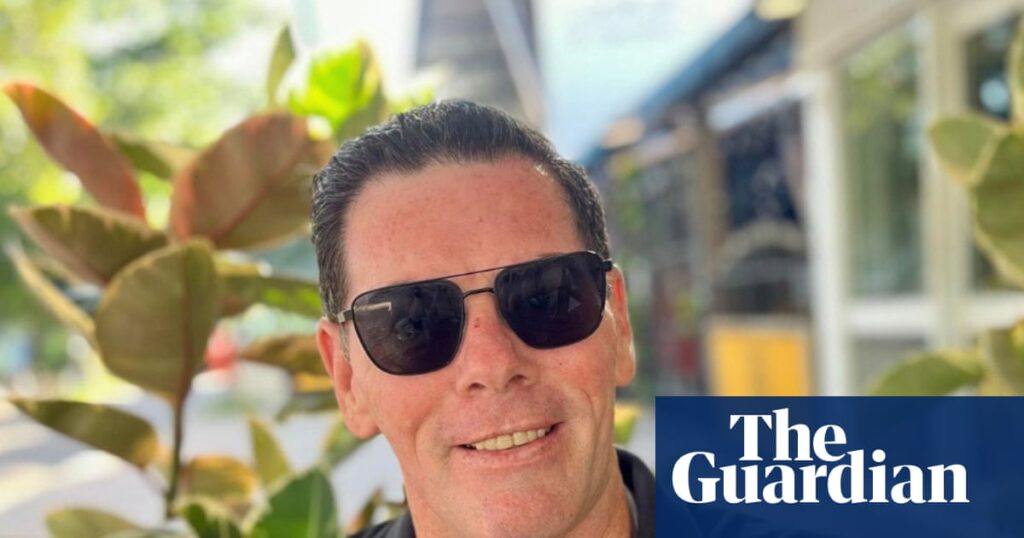
The controversial former mayor of Townsville, Troy Thompson, has been thrust into the spotlight once again after it was revealed he made unsubstantiated claims about having epilepsy. These claims were linked to his endorsement of an electromagnetic pulse bracelet sold by a business associated with his partner. The Queensland Crime and Corruption Commission (CCC) has been investigating Thompson’s past statements, which include misleading claims about a cancer diagnosis, military service, and academic qualifications.
According to the CCC’s findings, Thompson’s assertions of having epilepsy lack direct evidence. Despite this, the former mayor reportedly experienced seizures in 2023 and was prescribed anti-seizure medication. A general practitioner had also endorsed an “epilepsy management plan,” although no formal diagnosis was confirmed. Thompson’s alleged condition came to public attention during a November 2024 interview with “A Current Affair.”
Endorsement of the Controversial Bracelet
The endorsement of the bracelet, which Thompson claimed helped manage his epilepsy, has raised eyebrows. Guardian Australia uncovered now-deleted social media posts from early 2024, where Thompson claimed the bracelet successfully managed his condition. He insisted in a video that it was “not an ad.” However, the endorsement was used to promote the bracelet through a multi-level marketing wellness operation linked to his partner, Michelle Blythe.
In deleted Facebook posts, the business page claimed Thompson used the bracelet to manage his epilepsy, stating he would “proudly wear his CM2 band to all events as he 100% endorses this product.” The posts further detailed Thompson’s alleged symptoms and the purported benefits of the bracelet, describing it as “life-changing.”
Political and Legal Repercussions
Thompson’s mayoral tenure was marred by controversy, with allegations of embellishing his campaign claims, including those about his military background. Although he won the 2024 election, he was suspended on full pay in November last year during the CCC’s investigation. Thompson eventually resigned in September but was renominated in a byelection, where he secured only 4.95% of the vote, losing to former Katter’s Australian party MP Nick Dametto.
The epilepsy claims also played a central role in a $1.02 million workplace discrimination lawsuit Thompson filed against the Townsville council. He alleged discrimination based on his epilepsy, mental health, and political beliefs after being locked out of his council office. The ABC reported these claims amid ongoing disputes with elected councillors and the city bureaucracy.
Expert Opinions and Broader Implications
Experts in political ethics and public health have weighed in on the situation, highlighting the potential damage to public trust caused by such unverified health claims. Dr. Emily Carter, a political ethics professor, remarked, “Public figures have a responsibility to ensure their statements, especially those concerning health, are accurate and substantiated. Misleading claims can have far-reaching implications for public trust.”
The use of health-related endorsements in political campaigns is not new, but Thompson’s case underscores the need for transparency and accountability. The bracelet endorsement, linked to a business involving his partner, raises questions about conflicts of interest and the ethical boundaries of political endorsements.
“Without it, he certainly wouldn’t be able to run for Mayor of Townsville,” read one of the promotional posts, highlighting the perceived importance of the bracelet to Thompson’s campaign.
Looking Ahead
As the dust settles on Thompson’s political career, the implications of his actions continue to resonate. The CCC’s findings and the subsequent fallout serve as a cautionary tale for public figures and the importance of integrity in public office. Meanwhile, Thompson and Blythe have been contacted for further comment on the matter, though no response has been received at this time.
The case also highlights the broader issue of health misinformation and the responsibilities of public figures in endorsing products. As the investigation concludes, the focus shifts to ensuring such incidents are prevented in the future, safeguarding public trust and the integrity of political discourse.