
Former Brisbane Lions midfielder Rhys Mathieson has been handed a three-year suspension after testing positive for the anabolic steroid oxymetholone. The 28-year-old, who played 72 games for the Lions, will be barred from playing football until August 10, 2027, although he will be allowed to resume training in June of that year.
The news, first reported by the Herald Sun, marks a significant turn in Mathieson’s career, which saw him retire from the AFL in 2023. Speaking candidly on his podcast Rip Through It with former teammate Mitch Robinson, Mathieson took full responsibility for his actions.
“Before we get started, I don’t want this to be a feel sorry for me or I’m a victim in this. I take full responsibility for what happened,” Mathieson stated. “This is why I’d like to tell the story because some things just didn’t add up, but at the same time, I fully agree with whatever we went through, but some bizarre events happened.”
Transition from AFL to Bodybuilding
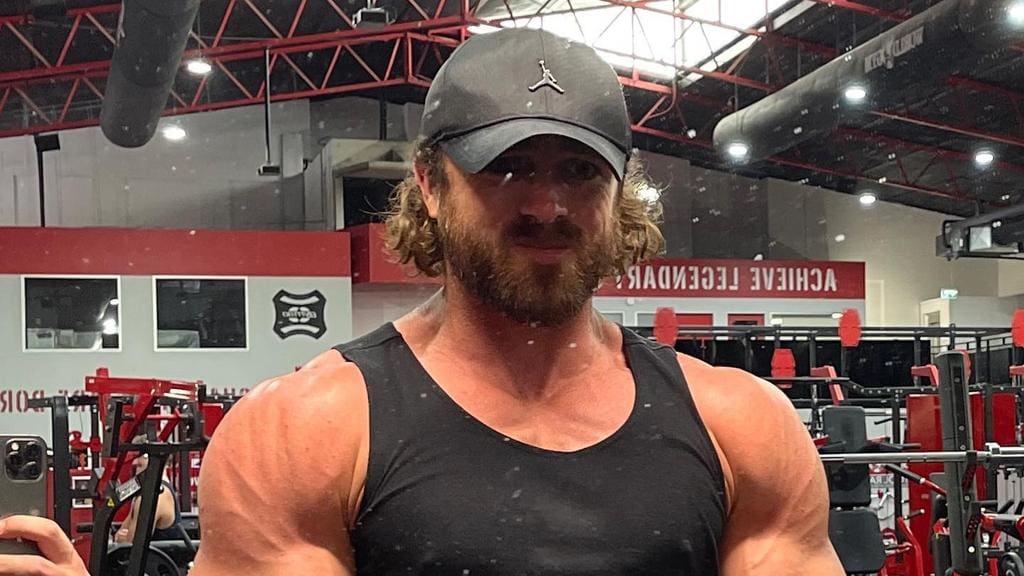
Since leaving the AFL, Mathieson has gained a following on social media by documenting his bodybuilding journey, during which he added over 10 kilograms to his frame. His foray into bodybuilding became a focal point after failing to secure trades in the AFL, prompting him to pursue his next passion.
Mathieson explained his shift in focus during the podcast, revealing how he immersed himself in the bodybuilding community and the use of supplements.
“When the trades didn’t go through, I thought, ‘Look, I am going to follow my passion, the dream is sort of over for footy now. So I’m going to follow my next passion, which was bodybuilding,” Mathieson said.
He further detailed his approach to bodybuilding, which included extensive use of gym supplements, some of which were purchased over the counter while others were shared among friends.
Controversy and Consequences
Mathieson’s positive test for performance-enhancing drugs came within 12 months of his AFL retirement, during his time playing in the Queensland Australian Football League (QAFL). The suspension took into account that the substance was used for non-football reasons.
“I dived into a lot of gym supplements, I mean a lot – a lot of them. And some you would just buy off the shelves or whatever, and some of the boys had their own, and I was willing to, you know, put anything, sort of, in my body to transform,” Mathieson admitted.
He acknowledged that a particular gym photo had drawn significant attention, which contributed to the scrutiny he faced.
Implications and Future Prospects
Mathieson’s case highlights the ongoing challenges athletes face when transitioning out of professional sports. The use of performance-enhancing drugs remains a contentious issue, with former athletes often caught between maintaining competitive edge and adhering to regulations.
According to sports ethics expert Dr. Lisa Turner, “Athletes leaving professional sports often struggle with identity and purpose, making them vulnerable to choices that can have long-term consequences.”
As Mathieson serves his suspension, the broader sports community continues to debate the balance between personal ambition and regulatory compliance. His story serves as a cautionary tale for athletes navigating life after the spotlight of professional sports.
Looking ahead, Mathieson has the opportunity to return to training in 2027, potentially opening a new chapter in his athletic journey. Until then, his focus remains on bodybuilding and sharing his experiences with a growing online audience.