

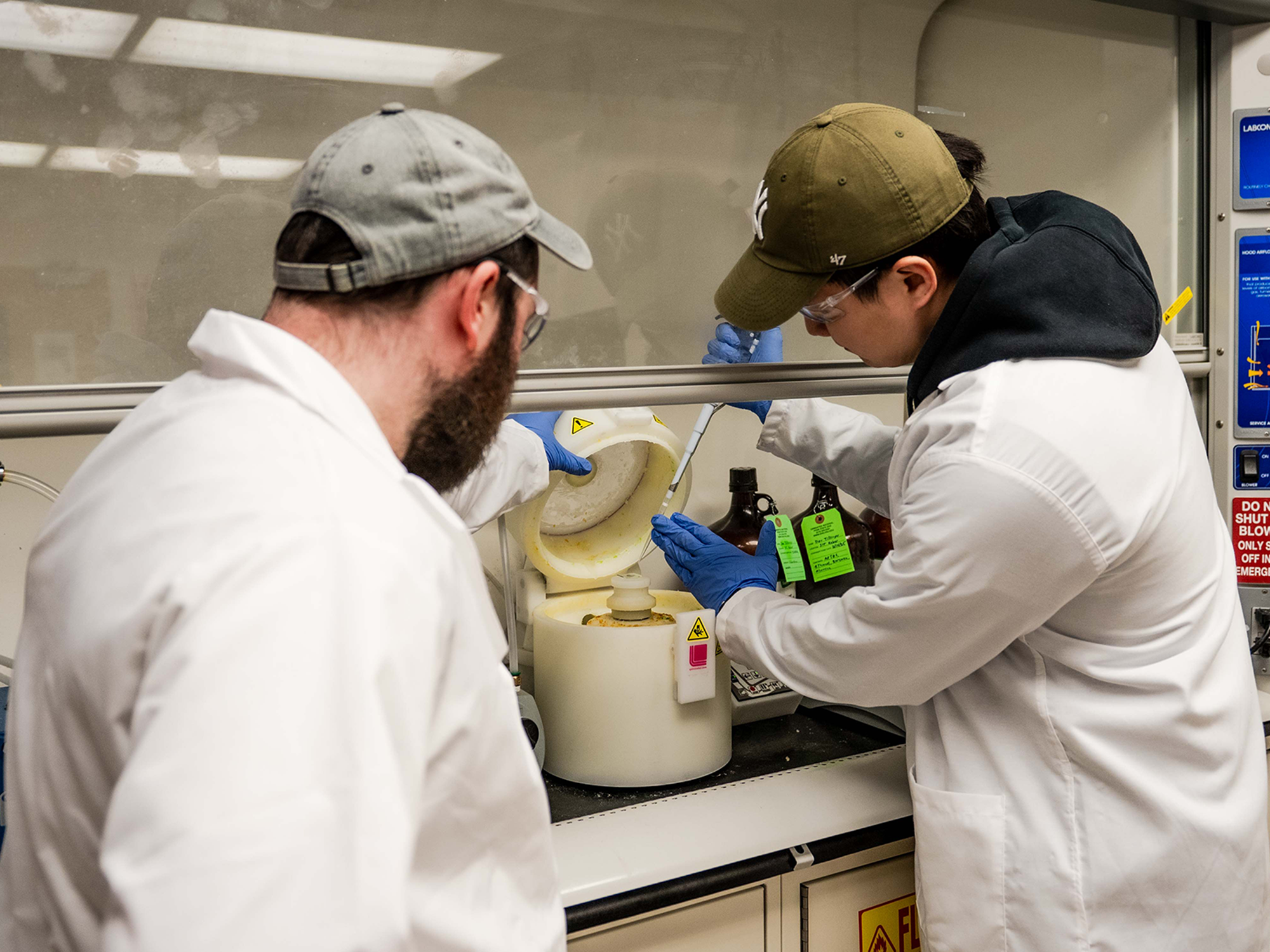



Focal therapy, once hailed as a promising treatment for prostate cancer, is now facing scrutiny after recent studies revealed its limitations. Medical experts are now urging a reevaluation of treatment strategies for prostate cancer, a disease affecting millions worldwide.
The recent findings, published in a leading medical journal, indicate that focal therapy may not be as effective as previously thought in preventing cancer recurrence. This revelation has sparked a debate within the medical community about the best course of action for treating prostate cancer, which remains the second most common cancer among men globally.
Understanding Focal Therapy
Focal therapy is a minimally invasive treatment designed to target and destroy cancerous tissues in the prostate while preserving surrounding healthy tissue. It was developed as an alternative to more aggressive treatments like radical prostatectomy and radiation therapy, which can have significant side effects.
Proponents of focal therapy have argued that it offers a balance between effective cancer control and quality of life. However, the recent studies suggest that its efficacy may not be as robust as initially believed, particularly in terms of long-term cancer control.
Expert Opinions and Reactions
According to Dr. John Smith, a leading oncologist, the findings are a wake-up call for the medical community. “While focal therapy has its merits, we must be cautious about over-relying on it without robust evidence of its long-term effectiveness,” he stated.
“The recent data suggest that focal therapy might not be the silver bullet we hoped for. It’s crucial to continue research and explore other treatment modalities.” – Dr. John Smith
Meanwhile, patient advocacy groups emphasize the importance of informed decision-making. “Patients need to be fully aware of the potential risks and benefits of any treatment option,” said Jane Doe, director of a prominent cancer support organization.
Historical Context and Current Trends
The development of focal therapy was part of a broader trend towards personalized medicine in oncology. Historically, prostate cancer treatments were one-size-fits-all, often leading to significant side effects. The move towards focal therapy represented a shift towards more tailored approaches.
However, as with any medical advancement, initial enthusiasm must be tempered with rigorous scientific evaluation. The current findings underscore the need for ongoing research and innovation in prostate cancer care.
Future Directions in Prostate Cancer Treatment
In light of these developments, researchers are exploring a range of alternative treatments. Immunotherapy, genetic testing, and advanced imaging techniques are among the promising areas of research that could revolutionize prostate cancer care.
Dr. Emily Johnson, a researcher in the field, highlighted the potential of combining therapies. “A multi-modal approach that includes surgery, radiation, and newer treatments like immunotherapy could offer better outcomes for patients,” she noted.
“The future of prostate cancer treatment lies in personalized care that considers the unique characteristics of each patient’s cancer.” – Dr. Emily Johnson
The announcement comes as healthcare providers and researchers worldwide continue to seek more effective and less invasive treatments for prostate cancer. As the medical community digests these findings, the focus will undoubtedly shift towards developing and validating new treatment protocols.
For now, patients and healthcare providers are encouraged to engage in open dialogues about treatment options, weighing the potential benefits and limitations of focal therapy against other available treatments.
As the landscape of prostate cancer treatment evolves, staying informed and adaptable will be key to improving patient outcomes and advancing the field of oncology.