



In a tragic incident on Tuesday, two trains transporting tourists to and from Peru’s iconic Machu Picchu archaeological site collided, resulting in the death of one railroad worker and injuring approximately 30 passengers. The crash occurred near Qoriwayrachina, another archaeological site, as confirmed by Jhonathan Castillo Gonzalez, a captain with the Cuzco police department. Following the accident, the railway service connecting Machu Picchu with the nearby city of Cuzco was suspended.
The collision involved a train departing from Machu Picchu and another headed towards the site. The railway company operating the line has yet to provide further details on the cause of the crash. Videos circulating in local media depict train cars with shattered windows and dented sides, stranded along a rail line flanked by dense forest and towering rock formations.
Impact on Tourism and Local Economy
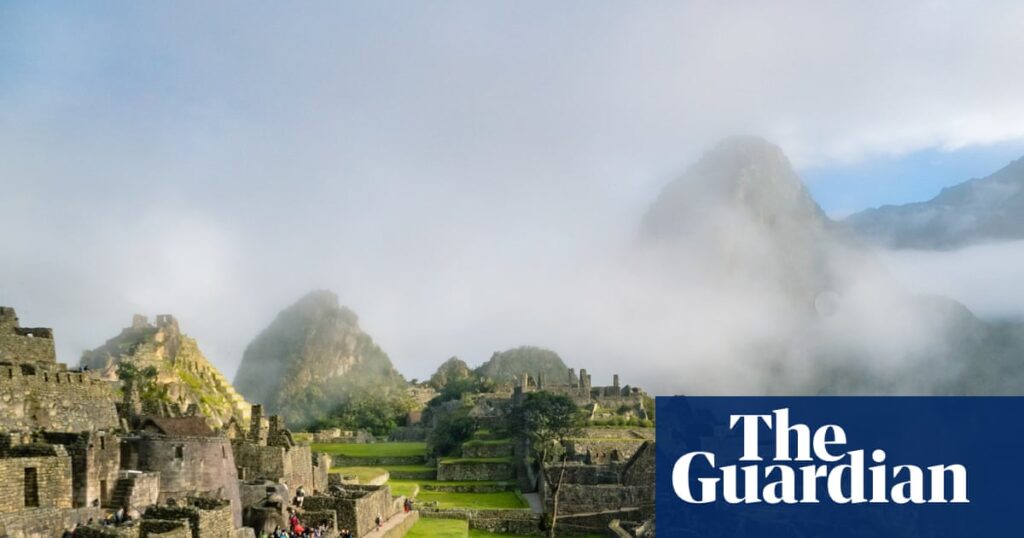
Machu Picchu, a UNESCO World Heritage site, attracts around 1.5 million visitors annually, with the majority arriving by train to the nearby town of Aguas Calientes. The site, renowned for its intricately constructed stone bricks, was built in the 15th century by the Incas and served as a sanctuary for the empire’s rulers. The recent accident is a significant blow to the local tourism industry, which is a crucial component of the regional economy.
The number of tourists visiting Machu Picchu has surged by approximately 25% over the past decade. However, the area has also faced challenges due to political instability and disputes over the management of the site. These issues have occasionally led to protests, with demonstrators blocking the railway line to the ancient ruins.
Safety Concerns and Historical Context
Train travel to Machu Picchu is not only a popular choice for tourists but also a vital lifeline for local communities. The railway is one of the few accessible routes through the rugged Andean terrain. However, the recent accident raises concerns about the safety standards and maintenance of the railway infrastructure.
Historically, the railway has been subject to scrutiny. In 2016, a similar incident occurred when two trains collided, resulting in injuries but no fatalities. The recurring nature of these accidents has prompted calls for improved safety protocols and infrastructure investments to prevent future tragedies.
Expert Opinions and Future Implications
Experts in the field of transportation safety emphasize the need for rigorous safety audits and regular maintenance checks to ensure the reliability of the railway system. Dr. Maria Lopez, a transportation analyst, stated, “The frequency of these incidents highlights a systemic issue that needs to be addressed by both the railway operators and the government.”
The Peruvian government has expressed its commitment to enhancing safety measures and has initiated an investigation into the recent crash. The outcome of this investigation could lead to significant changes in how the railway is operated and managed.
Looking forward, the incident may prompt a reevaluation of the tourism infrastructure surrounding Machu Picchu. As the site continues to draw increasing numbers of visitors, ensuring their safety will be paramount. The government and tourism operators may need to explore alternative transportation methods or invest in modernizing the existing railway system to accommodate the growing demand.
As the investigation unfolds, the local community and stakeholders in the tourism industry are hopeful for swift action to restore confidence in the safety of travel to one of the world’s most treasured historical sites.