



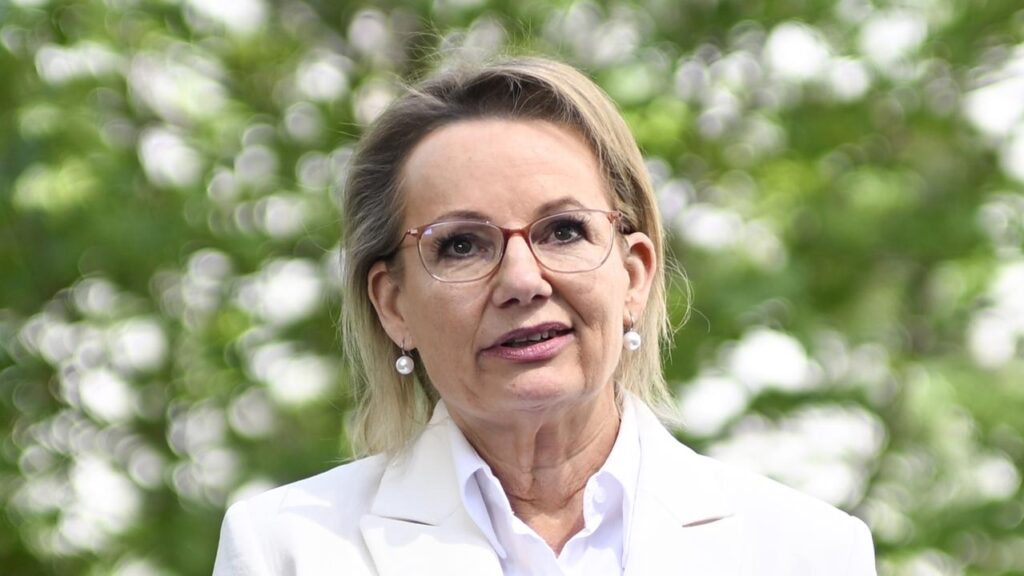
Speaker Milton Dick announced during question time on Thursday that writs had been issued for a by-election in the Farrer electorate, scheduled for May 9. The close of rolls is set for April 8, with nominations closing on April 13. The return of the writ will occur on or before July 10, 2026. This by-election follows the resignation of former MP Sussan Ley, who had represented the rural New South Wales seat since 2001.
Ms. Ley’s departure from politics came after she was ousted as the Liberal Party leader. In her resignation statement, she endorsed a Liberal candidate, expressing confidence in the new Opposition Leader Angus Taylor to maintain the party’s support in Farrer. “I know that Angus Taylor can and will ensure the Liberal Party continues to enjoy the support, trust and confidence of the people of Farrer,” she stated.
Political Landscape and Party Strategies
The by-election occurs at a time when the Liberal and National parties are striving to regain their footing among Australian conservatives. The Coalition has been plagued by leadership uncertainties and internal conflicts, leading to poor performance in recent polls. Despite these challenges, both parties have confirmed their intention to contest the Farrer by-election, with plans to rely on a preference deal.
One Nation, capitalizing on the Coalition’s instability, is also entering the race, hoping to secure its second seat in the House of Representatives. Pauline Hanson confirmed that locals David Farley, Leigh Wolki, and Guy Cooper will compete in the Farrer One Nation preselection on March 7. Farley, a Narrandera-based agribusiness professional, Wolki, a small-business owner, and Cooper, a fifth-generation farmer, are all vying for the opportunity to represent One Nation.
“Leigh, Guy and David are all dedicated locals who understand what makes Farrer tick,” Senator Hanson stated. “They know what’s at stake for the residents, businesses, and industries of their communities at this by-election. The eyes of the entire nation will be on the outcome in Farrer.”
Independent and Other Contenders
Climate-200 backed independent Michelle Milthorpe is another contender in the race. Milthorpe previously ran against Ley in the last federal election, losing by 12.4 percent but achieving a significant +20 percent swing, outperforming both Labor and One Nation candidates. Milthorpe expressed her readiness to contest the by-election, emphasizing the neglect felt by the people of Farrer.
“The by-election could not come any sooner, because the people of Farrer have been forgotten,” Milthorpe declared. “We are tough, and we get on with things, but everyone has their breaking point, and too many people across Farrer are reaching theirs.”
Milthorpe highlighted the challenges faced by farmers in Farrer, citing the surging price of water and the need for improvements in healthcare, telecommunications, childcare, and aged care support. She criticized the focus of Canberra politicians on internal conflicts rather than addressing the needs of rural communities.
“These are problems that would be fixed if we lived in the cities. For too long, politicians have overlooked our community because we are a safe seat,” she said. “Last election showed there was a real appetite for change, and this election we’re ready to finish the job.”
Historical Context and Future Implications
The Farrer seat has a rich political history, having been represented by the Liberals for most of its existence, except during Tim Fischer’s tenure from 1984 to 2001. Fischer, a former deputy prime minister and Nationals leader, was the only non-Liberal to hold the seat in the federal parliament. The upcoming by-election represents a critical moment for the Liberals and Nationals to reaffirm their influence in the region.
As the by-election approaches, the outcome will be closely watched as an indicator of the broader political climate in Australia. The contest not only tests the resilience of traditional party allegiances but also the potential for independent and minor party candidates to disrupt the status quo. Labor, while not yet confirming a candidate, remains a potential player in this evolving political landscape.
The Farrer by-election will serve as a barometer for the political mood in rural Australia and could have significant implications for the future strategies of the major parties. As the campaign unfolds, the focus will be on addressing the pressing issues facing the electorate and restoring voter confidence in political leadership.