

The upcoming Farrer by-election on May 9 is set to become a pivotal moment for the newly appointed Liberal leader Angus Taylor and Nationals leader Matt Canavan. It simultaneously serves as a real-time gauge of One Nation’s rising popularity in the polls. The contest, sparked by the departure of former Liberal leader Sussan Ley, presents a unique political landscape in the conservative heartland of southern New South Wales.
One Nation’s David Farley and independent Michelle Milthorpe have emerged as early frontrunners in the race for Farrer. Notably absent from the race is the Labor Party, which has opted not to field a candidate, acknowledging the seat’s conservative leanings. This decision underscores the high stakes for the Coalition and One Nation as they vie for dominance in the region.
Key Players and Campaign Dynamics
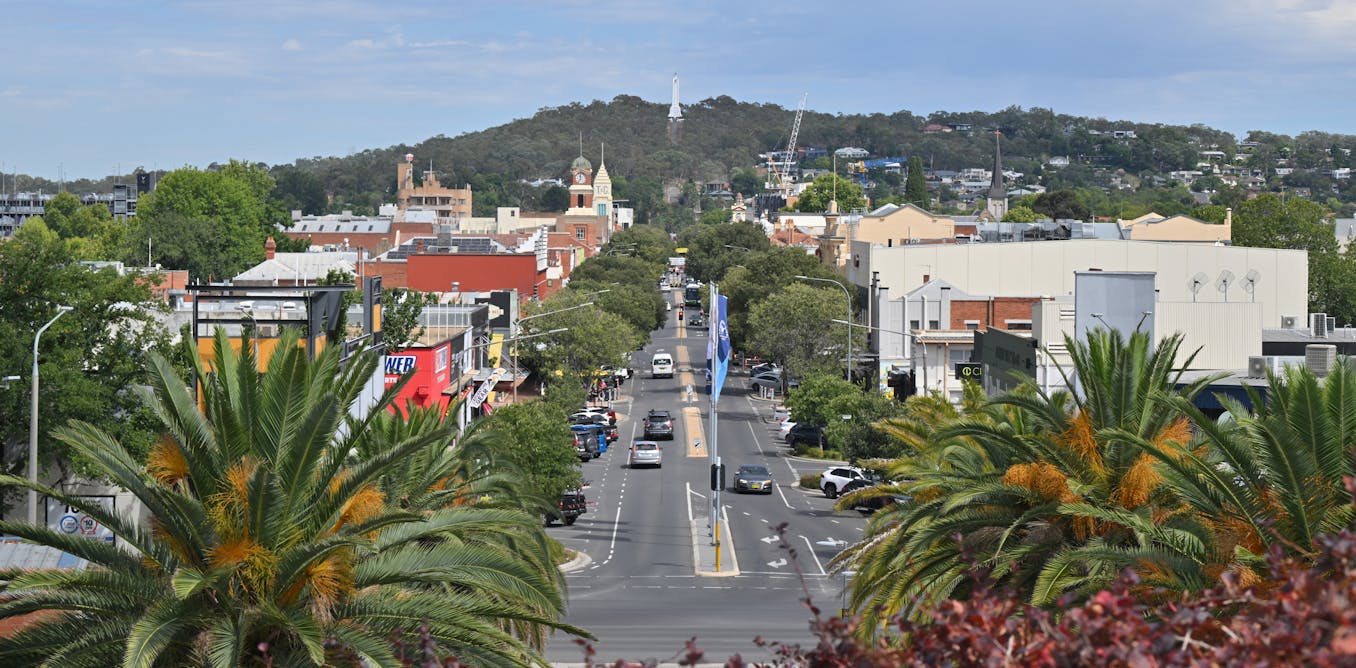
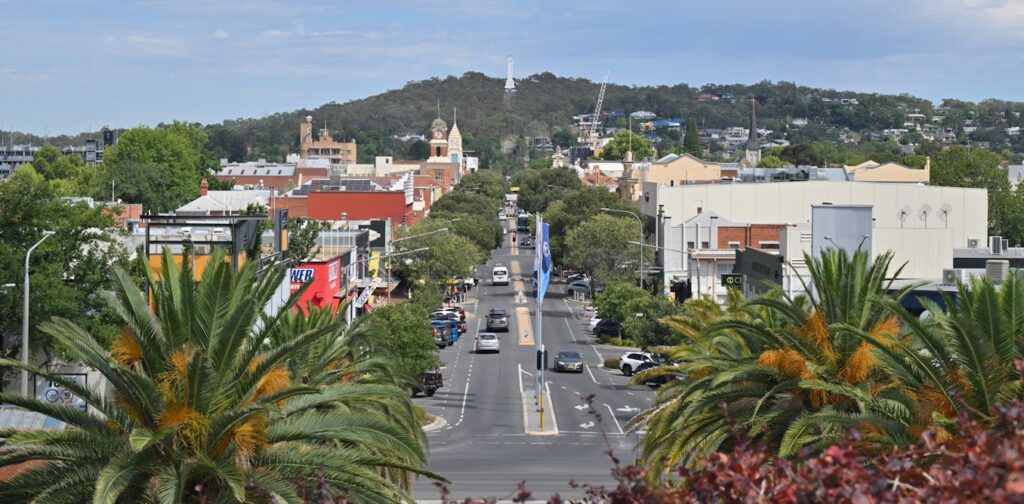
This week, a podcast from Albury—the largest center in the sprawling electorate—provided an early glimpse into the campaign dynamics. Conversations with key figures such as Anthony Bunn, a senior journalist with the local Border Mail newspaper, and Matt Canavan, who was campaigning in Albury shortly after assuming his new role, highlighted the issues at play.
One Nation’s candidate, David Farley, an agribusinessman and former Nationals member, is capitalizing on a sense of disenfranchisement among voters. Meanwhile, high-profile independent candidate Michelle Milthorpe, a high school teacher running for the second time, is leveraging her previous success, having secured 20% of the primary vote in 2025.
The Liberal Party has announced Raissa Butkowski, a lawyer from the Hume Riverina Community Legal Service and an Albury City councillor, as their candidate. Her campaign was launched by Angus Taylor, signaling the importance of this by-election for the party’s future.
Local Issues and Voter Concerns
According to journalist Anthony Bunn, the electorate of Farrer is vast, stretching from Albury to Wentworth in the west and up to Griffith. Local issues are diverse, with healthcare and agriculture at the forefront of voters’ minds.
“The big issue in Albury is the hospital. There’s been a promise for an upgraded hospital in Albury. People feel that they’ve been short-changed by the [NSW and Victorian] governments and had hoped for some Commonwealth intervention,” Bunn explained.
Further afield, water management and the Murray-Darling Basin Plan are crucial concerns for the agricultural community. Additionally, rising petrol prices and cost-of-living pressures are expected to influence voter sentiment.
Political Strategies and Rivalries
Matt Canavan, addressing the potential defection of Coalition voters to One Nation, acknowledged past frustrations within the Liberal and National parties. He expressed confidence in the new leadership, emphasizing a renewed focus on long-term goals for Australia.
“None of it is personal. It is serious though, because it’s the future of our country. So I’m not going to pull my punches,” Canavan stated, underscoring the stakes in Farrer.
David Farley, representing One Nation, discussed his policy disagreements with party leader Pauline Hanson, particularly on immigration. Despite differing views, Farley emphasized a shared commitment to policies beneficial for Australia.
“What we finally agreed on, even though we were disagreeing on a number of problems, but Pauline’s ultimate resolve is, ‘is it good for Australia, is good for Australians?’” Farley remarked.
Independent Perspectives and Future Implications
Michelle Milthorpe, running as an independent, has distanced herself from the “teal” label, despite receiving funding from Climate 200. She emphasized her rural upbringing and focus on balanced environmental policies that support regional communities.
“I’m not a teal. I don’t have anything in common with the teal people in terms of upbringing and the people that I would represent,” Milthorpe clarified.
As the by-election approaches, state MP Justin Clancy acknowledged the challenges posed by the timing and leadership changes within the Coalition. He stressed the need for the Liberal Party to move beyond internal conflicts and focus on community needs.
“There needs to be clearly demonstration by Liberals, certainly at the federal level, that the time for staring at the navel, the time to be talking about self is well passed,” Clancy asserted.
The Farrer by-election is more than a local contest; it is a litmus test for broader political trends in Australia. As candidates vie for voter support, the outcome will likely influence future strategies for both the Coalition and One Nation, setting the stage for the next federal election.