




Australia faces a daunting challenge with the highest melanoma rates globally. Approximately seventy percent of these melanomas manifest on visible areas such as the face, head, and neck. As a result, patients undergoing life-saving cancer surgery often face not only initial disfigurement but also impaired vision, breathing, speech, or facial movement. Reconstructive procedures play a crucial role in restoring these essential functions, from blinking to protect the eye, to ensuring nasal airflow for breathing, and enabling facial movement for speech and expression.
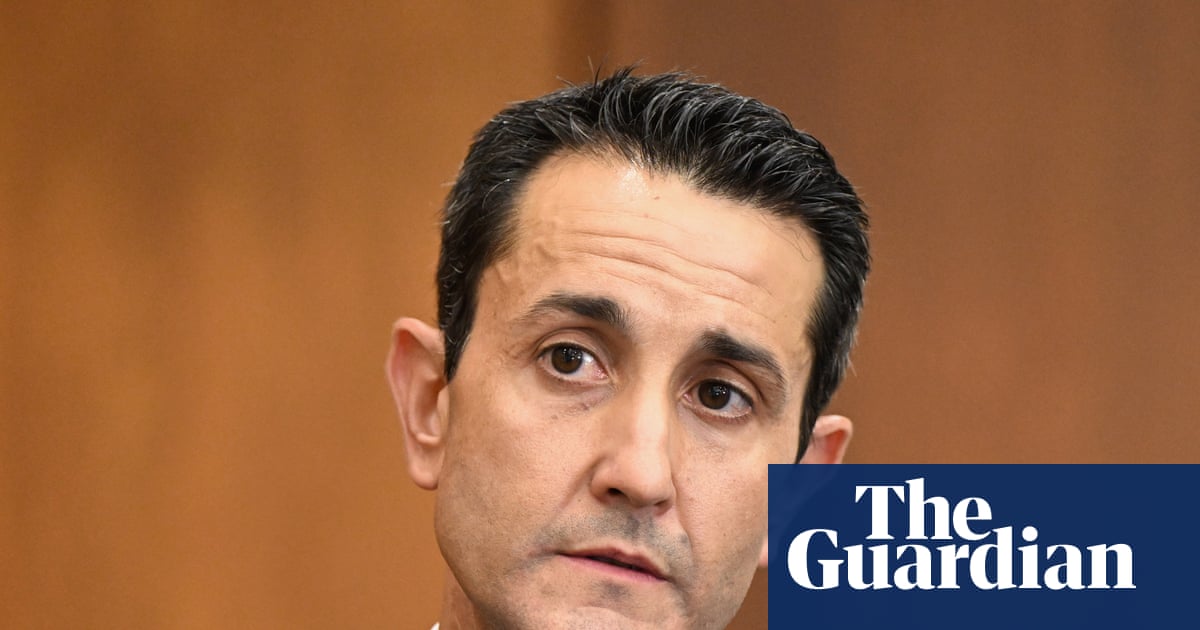
Dr. David Sparks, a fully certified Specialist Plastic and Reconstructive Surgeon and a member of the Australian Society of Plastic Surgeons, recently discussed these issues with Nic Healey on the program Nightlife. Dr. Sparks emphasized the importance of reconstructive surgery in improving patients’ quality of life post-melanoma treatment.
The Rising Challenge of Melanoma in Australia
The incidence of melanoma in Australia is alarmingly high, attributed to factors such as the country’s predominantly fair-skinned population and high levels of UV radiation. The Australian Cancer Council estimates that two in three Australians will be diagnosed with skin cancer by the age of 70, with melanoma being one of the most common forms.
According to Dr. Sparks, “The visible nature of these tumors means that the psychological impact on patients can be profound. Beyond the physical health implications, the emotional and social aspects of disfigurement cannot be overlooked.”
Reconstructive Surgery: A Critical Component
Reconstructive surgery is not merely cosmetic; it is a vital component of holistic cancer care. The procedures aim to restore functionality and appearance, significantly impacting patients’ mental health and social integration. Dr. Sparks noted, “Our goal is to help patients return to their daily lives with as much normalcy as possible.”
Reconstruction can involve complex procedures, often requiring a multidisciplinary approach. Surgeons may work alongside oncologists, dermatologists, and speech therapists to address the varied needs of patients. This collaborative effort is essential for achieving the best outcomes.
Innovations in Reconstructive Techniques
Recent advancements in surgical techniques and technology have improved the outcomes of reconstructive procedures. Microvascular surgery, for instance, allows surgeons to transfer tissue from one part of the body to another, ensuring better integration and functionality.
“The precision we can achieve now is remarkable. It allows us to not only restore appearance but also crucial functions like speech and breathing,” Dr. Sparks explained.
Looking Ahead: The Future of Melanoma Treatment
As melanoma rates continue to rise, the demand for skilled reconstructive surgeons is expected to increase. Training programs are evolving to equip new surgeons with the necessary skills to handle complex cases, and research into less invasive techniques is ongoing.
Meanwhile, public health campaigns continue to emphasize the importance of early detection and prevention. The use of sunscreen, regular skin checks, and public awareness are crucial in reducing the incidence of melanoma.
In conclusion, while Australia grapples with high melanoma rates, the role of reconstructive surgery remains pivotal in patient recovery. As Dr. Sparks highlighted, “Our work is about giving patients back their lives, their confidence, and their ability to engage with the world around them.”
The future of melanoma treatment in Australia will likely see continued advancements in both surgical techniques and preventive measures, offering hope to those affected by this challenging disease.