



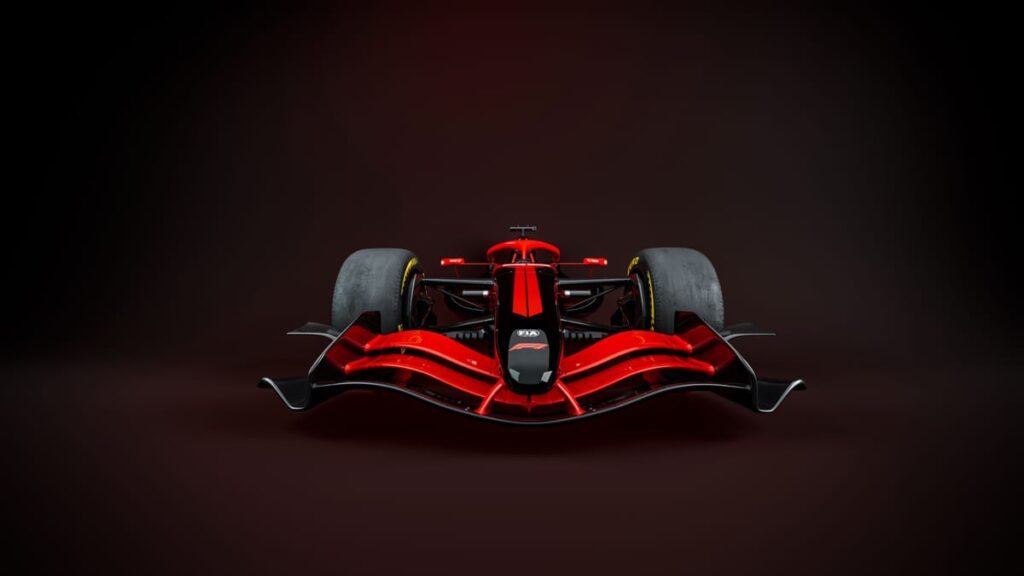
For all the excitement surrounding the new Formula 1 power units set to debut in 2026, a significant concern looms over the forthcoming regulations. While the combined horsepower from the internal combustion engine and battery is impressive, reaching over 1000hp, the reality is that this power will not be consistently available due to compromises in the engine rules. This means cars will frequently be energy-starved, reducing their power to around 550hp when the battery depletes.
The announcement comes as teams and fans alike question the effectiveness of ‘overtake’ modes and ‘boost’ buttons, which may become irrelevant if they fail to deliver the promised excitement. The situation has been likened to a ‘camel’ by Cadillac technical consultant Pat Symonds, highlighting the potential pitfalls of a design process driven by committee decisions.
Understanding the 2026 F1 Rules
The 2026 rules have sparked debate among industry insiders, with some suggesting that the democratic approach to their development may have led to an inefficient power unit design. Pat Symonds, speaking to Autocar, criticized the process, stating, “We’ve ended up with a power unit that’s sparse on energy. OK, there are ways around it, but they’re not good ways around it.”
As the F1 community braces for the new regulations, there is uncertainty about how they will impact the sport. Tracks with heavy braking zones may not face significant issues, but venues with high-speed corners and long straights could see drivers struggling with energy management, potentially frustrating fans and drivers alike.
Potential Interventions and Rule Adjustments
Some team insiders are skeptical about the new rules, anticipating challenges at energy-demanding tracks like Melbourne and Jeddah. The FIA has acknowledged these potential issues, proposing to reduce the maximum battery power from 350kW to 200kW during races. However, this proposal was met with resistance from several manufacturers, who were reluctant to alter the rules significantly.
Mercedes boss Toto Wolff famously labelled the 200kW proposal a “joke,” although he later softened his stance, emphasizing the need for open-mindedness once the cars are operational.
F1’s single-seater director, Nikolas Tombazis, noted the challenges in making rule changes, stating, “We can’t just tomorrow go and say, ‘OK, let’s change this.’ There’s a degree of also wanting to see in the winter testing how cars behave.”
The Role of New Regulatory Provisions
A new section in the 2026 rulebook, covering ‘general regulatory provisions,’ aims to promote competitive balance and sustainability. This could empower the FIA to push through changes if the new regulations prove detrimental to the sport. However, this approach has sparked debate, with concerns about moving away from a meritocratic system.
As the racing season approaches, much will depend on how teams adapt to the new rules. Lance Stroll, a vocal critic of the regulations, expressed concerns about the focus on energy management over traditional racing dynamics. “Managing energy and battery power is not as exciting as, I think, flat out pushing with lots of downforce,” he remarked.
Looking Ahead: Challenges and Opportunities
The true impact of the 2026 regulations will only become apparent once racing begins. The FIA and teams must navigate the complexities of rule changes, balancing competitive fairness with the health of the sport. As Nikolas Tombazis highlighted, decision-making in F1 is inherently complex, with various stakeholders prioritizing different aspects of the sport.
Ultimately, the success of the new regulations will hinge on their ability to maintain F1’s reputation as a thrilling, high-speed spectacle. As the season unfolds, the loudest voices may come from those who find themselves at a competitive disadvantage, shaping the narrative and potentially driving further changes.