




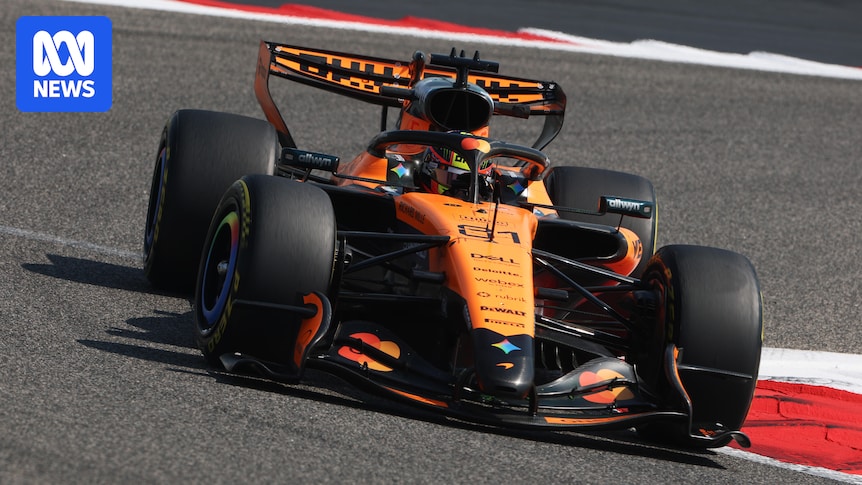
Formula 1 is gearing up for a transformative 2026 season, with the Melbourne Grand Prix set to showcase radically redesigned cars. These changes are not merely cosmetic; they represent one of the most significant regulatory overhauls in the sport’s history. Former Renault engineer Chris Papadopoulos highlights the comprehensive nature of the updates, stating,
“Tyres, aerodynamics, vehicle dimension and engine rules … so basically, just about everything on the car is changing.”
The new designs promise a louder, more challenging driving experience, with cars that are slower in corners but more sustainable. Racing teams anticipate these modifications will inject unpredictability into the competition, making the first race of the season a spectacle of “chaos and excitement.”
Understanding the Basics of F1 Car Design
To appreciate the 2026 changes, it’s essential to understand the fundamentals of an F1 car. Bradley Lord, a representative from the Mercedes F1 team, describes these vehicles as “the lightest, fastest, strongest, most potent road-going vehicle you could make.” Capable of exceeding 350 kilometers per hour, F1 cars resemble fighter planes on wheels.
Despite their unique features, F1 cars share commonalities with hybrid road vehicles, utilizing a power unit that combines a battery with a fuel-powered combustion engine. Key design elements such as the front and rear wings, side pods, and diffuser work in unison to maintain ground contact at high speeds, employing forces like drag and downforce.
The Federation Internationale de l’Automobile (FIA) governs the technical specifications, dictating the permissible sizes and movements of car components. Papadopoulos, now managing director of the Australian racing team Volante Rosso, likens F1 car design to an evolutionary arms race, where teams seek optimal engineering solutions within regulatory constraints.
A Louder, More Sustainable Experience
One noticeable change for spectators will be the sound of the cars. According to Lord,
“They’re a bit louder and a bit, I’d sort of say throatier. They growl a bit more.”
This acoustic shift results from the removal of the heat motor generator unit, a component that previously acted as a silencer.
Despite the increased volume, the 2026 cars are designed with sustainability in mind. F1 aims to achieve net zero carbon emissions by 2030, with cars utilizing a balanced energy mix from batteries and V6 engines. Teams are now required to use synthetic fuels with significantly reduced carbon emissions. Lord explains,
“[The new fuel] can achieve a greenhouse gas emissions reduction of 65 per cent roughly, versus the previous 10 per cent ethanol fuel that we were using last year.”
The regulations also permit larger batteries, which recharge from the kinetic energy generated during braking. However, energy recovery is capped, adding a strategic element to the races as drivers manage their energy deployment.
Performance and Control: Balancing Speed and Stability
While the 2026 cars may exhibit slower lap times due to reduced downforce and increased braking, they remain formidable in terms of acceleration. Lord notes,
“In pure acceleration terms, they are quicker. They’re incredibly impressive when you see them coming out of the corners at full power.”
The increased battery capacity allows for more energy release on straights, though the cars will generate 30% less downforce compared to last year, necessitating slower cornering speeds to maintain grip.
Former Williams engineer Sammy Diasinos attributes the reduced downforce to simplified floor designs, which elevate the car off the ground, allowing more air to flow underneath. This change mitigates the discomfort drivers experienced in previous models, where cars frequently made contact with the track surface.
Active aerodynamics replace the previous downforce systems, with adjustable front and rear wings that optimize drag and downforce depending on the driving situation. This innovation promises a dynamic racing experience, with cars switching between straight-line and cornering modes at the push of a button.
Anticipating the Melbourne Grand Prix
As the season opener approaches, teams remain uncertain about their relative performance due to the steep learning curve associated with the new regulations. Lord expresses the prevailing sentiment, stating,
“Simply because we’re all still learning and the learning curve is very, very high. So it’s going to be quite exciting.”
The 2026 Melbourne Grand Prix is poised to be a landmark event in F1 history, showcasing the sport’s commitment to innovation, sustainability, and thrilling competition. As teams and drivers adapt to the new designs, fans can expect a season full of surprises and high-stakes racing.