



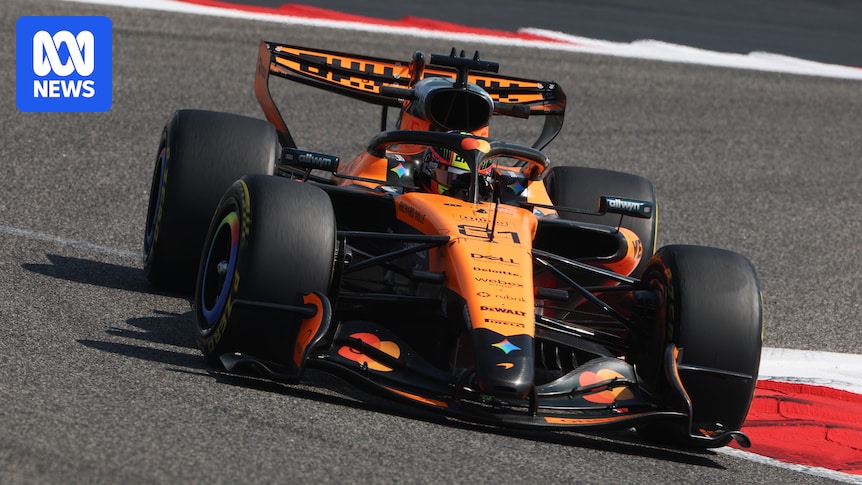
Formula 1 is set to return in 2026 with a striking new look for its cars, as unveiled at the Melbourne Grand Prix. The changes are not merely cosmetic; they represent one of the most significant overhauls in the sport’s history. According to Chris Papadopoulos, former Renault engineer, this year’s modifications encompass tyres, aerodynamics, vehicle dimensions, and engine regulations. “Basically, just about everything on the car is changing,” he notes.
The redesigned cars promise a louder, more challenging driving experience, with slower cornering speeds but enhanced sustainability. Racing teams anticipate these adjustments will introduce an element of unpredictability and chaos to the season’s opening race. Let’s delve into the science behind these new F1 cars.
The Fundamentals of F1 Car Design
Understanding the recent changes requires a grasp of the basic mechanics of an F1 car. Bradley Lord, a representative from the Mercedes F1 team, describes an F1 car as “the lightest, fastest, strongest, most potent road-going vehicle you could make.” Capable of reaching speeds over 350 kilometers per hour, these cars resemble fighter planes on wheels.
Despite their advanced engineering, F1 cars share some similarities with road vehicles, such as a hybrid power unit combining a battery with a fuel-powered combustion engine. Key features like the front and rear wings, side pods, and diffuser work together to maintain the car’s grip on the track through the forces of drag and downforce.
The Federation Internationale de l’Automobile (FIA) sets the technical rules governing these components, dictating what teams cannot do. This regulatory framework creates an ongoing engineering arms race, as teams strive to find optimal solutions within these constraints. Papadopoulos, now managing director of the Australian racing team Volante Rosso, emphasizes this competitive dynamic.
A Louder, More Sustainable Experience
One noticeable change for spectators will be the cars’ sound. “They’re a bit louder and a bit, I’d sort of say throatier. They growl a bit more,” says Lord. The removal of the heat motor generator unit, which acted as a silencer, accounts for this increased volume. However, as teams develop more efficient energy harnessing methods, the cars might become quieter again.
Despite the noise, F1 is committed to achieving net zero carbon emissions by 2030. For the first time, cars will equally utilize energy from a battery and a V6 engine. Teams are also required to use synthetic fuel with lower lifetime carbon dioxide emissions. Lord highlights Mercedes’s efforts in this area, noting their new fuel’s potential to reduce greenhouse gas emissions by 65% compared to last year’s 10% ethanol fuel.
“The new fuel can achieve a greenhouse gas emissions reduction of 65 per cent roughly, versus the previous 10 per cent ethanol fuel that we were using last year,”
The regulations now permit larger batteries, which recharge from the motion of the back wheels during braking. Papadopoulos explains this process, adding that the regulations limit energy recovery per lap, introducing a strategic element akin to high-speed chess.
Performance and Control: Navigating the New Terrain
While the cars may accelerate faster on straights due to increased battery capacity, lap times are expected to be slower. This is due to reduced downforce and the need for drivers to brake more to recharge their batteries. Lord describes the cars as “sliding a little bit more in the corners,” making them appear more entertaining for drivers.
The reduction in downforce is largely attributed to changes in the car’s floor design. Former Williams engineer Sammy Diasinos explains that the simpler floor design increases downforce by allowing more air underneath the car. This adjustment prevents the cars from bottoming out, a common complaint among drivers in previous models.
The previous downforce system has been replaced by active aerodynamics, which involves movable wings that adjust to limit drag on straights and enhance grip in corners. This innovative approach is expected to add an exciting dynamic to the races.
Anticipating the Melbourne GP
As the new season approaches, teams remain uncertain about their relative performance. “Simply because we’re all still learning and the learning curve is very, very high. So it’s going to be quite exciting,” says Lord. The Melbourne Grand Prix promises to be a thrilling showcase of engineering prowess and strategic innovation, as teams adapt to the new regulations and explore the limits of their redesigned machines.