

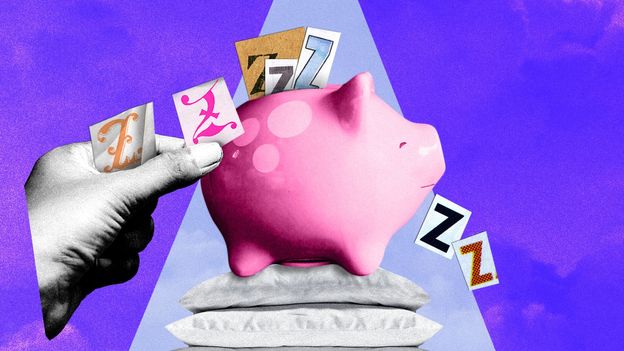
From enhancing focus to boosting athletic performance, some scientists suggest that “banking” sleep for future use could offer a variety of benefits. As the weekend approaches, many people seize the opportunity to sleep in, hoping to recover from the sleep lost during the workweek. But is this approach backward? Could it be more effective to “bank” extra hours of sleep in anticipation of a busy period?
Sleep banking, which involves extending sleep over several nights before a time of expected sleep restriction, may indeed be a viable strategy, according to some researchers. They argue that it allows the brain to accumulate vital resources for later use, thereby enhancing alertness and cognitive function during periods of sleep deprivation.
The Rise of Sleep Banking
The concept of sleep banking is gaining traction among wellness enthusiasts on platforms like TikTok. Many advocate for banking sleep before long-haul flights or major work events to boost mental performance or as a precautionary measure before a hectic period. But does it truly work?
Introduced in 2009 by sleep researchers at the Walter Reed Army Institute of Research, the idea of sleep banking is akin to topping up a bank account to avoid overdrafts. Led by Tracy Rupp, now at Utah State University, the team explored whether soldiers could improve alertness before missions by extending sleep beforehand. Their study involved 24 military personnel divided into two groups: one with seven hours of sleep per night and the other with ten. The following week, all participants were restricted to three hours of sleep per night, then returned to eight hours.
Those who banked extra sleep exhibited less decline in alertness and attention during sleep restriction and returned to baseline performance more quickly.
Scientific Support and Applications
Subsequent research has reinforced the idea that sleep banking can serve as a mental and physical buffer against sleepless nights. In 2023, a study involving doctors in Miami found that banking 90 minutes of sleep over three nights improved performance during two weeks of night shifts. Other studies suggest benefits for athletes, with sleep banking reducing errors and reaction times in sailing races and enhancing performance in sports like rugby, tennis, and basketball.
Debate and Doubts
Despite its growing popularity, sleep banking remains controversial. Some researchers question whether it’s truly possible to “deposit” sleep for future use. They argue that improvements in performance might simply result from catching up on existing sleep debt rather than storing sleep for later.
“There are many theories as to why we sleep,” says Peter Polos, associate professor of sleep medicine at the Hackensack Meridian School of Medicine. “There are metabolic, hormonal, neurological, and cognitive issues addressed during sleep.”
Michael Howell, professor of neurology at the University of Minnesota, explains that sleep is essential for cellular health. “All your cells need healthy sleep to refuel and repair,” he notes. “During sleep, the brain clears out waste products that accumulate throughout the day.”
Practical Considerations
Proponents of sleep banking suggest it can be beneficial ahead of sleep disruptions like long flights or exam periods. Howell advises allowing 30 to 60 extra minutes of sleep for one to two weeks before anticipated sleep deprivation. He suggests setting alarms later in the morning, as it’s generally easier for people to sleep in than to fall asleep earlier.
Polos, however, recommends going to bed earlier for those whose bodies naturally wake up early. Napping is also an effective way to add to one’s sleep account, provided it doesn’t interfere with nighttime sleep.
Elizabeth Klerman, professor of neurology at Massachusetts General Hospital, argues that sleep is more like a credit card than a piggy bank. “You can build up a debt, but you can’t build up a surplus,” she says.
Klerman warns that believing in sleep banking might lead people to deprive themselves of necessary sleep, thinking past good sleep can compensate. While she supports catching up on lost sleep, she cautions against long afternoon naps that can cause grogginess.
Conclusion and Future Insights
Whether viewed as banking for the future or repaying a debt, adding extra sleep appears beneficial. However, Howell warns that consistently needing more than 12 hours of sleep could indicate underlying health issues.
Polos emphasizes that sleep banking shouldn’t be a long-term solution. “Don’t rely on it for all your sleep issues,” he advises. “Maintaining a regular sleep schedule and ensuring quality sleep is key.”
For those looking to optimize their sleep, maintaining consistent sleep patterns and prioritizing sufficient rest remains crucial. As the debate continues, further research will likely shed more light on the potential benefits and limitations of sleep banking.