



It’s been a while since the streets were dominated by police cars like the Holden Commodore, Ford Falcon, and occasionally the Toyota Camry, all adorned with the iconic blue and white Sillitoe tartan. Today, the landscape of police vehicles has diversified significantly, with models such as the Ford Ranger, Hyundai Santa Fe, and Volkswagen Passat entering the fray. These vehicles must meet practical requirements for various policing tasks, but new considerations have emerged, including hybrid and electric vehicles, new utility options, and the selection of PR show cars that serve more as symbols than workhorses.
Here, we explore five potential candidates for modern police fleets, each offering unique advantages and challenges.
BYD Shark 6: A New Contender for Diverse Terrains
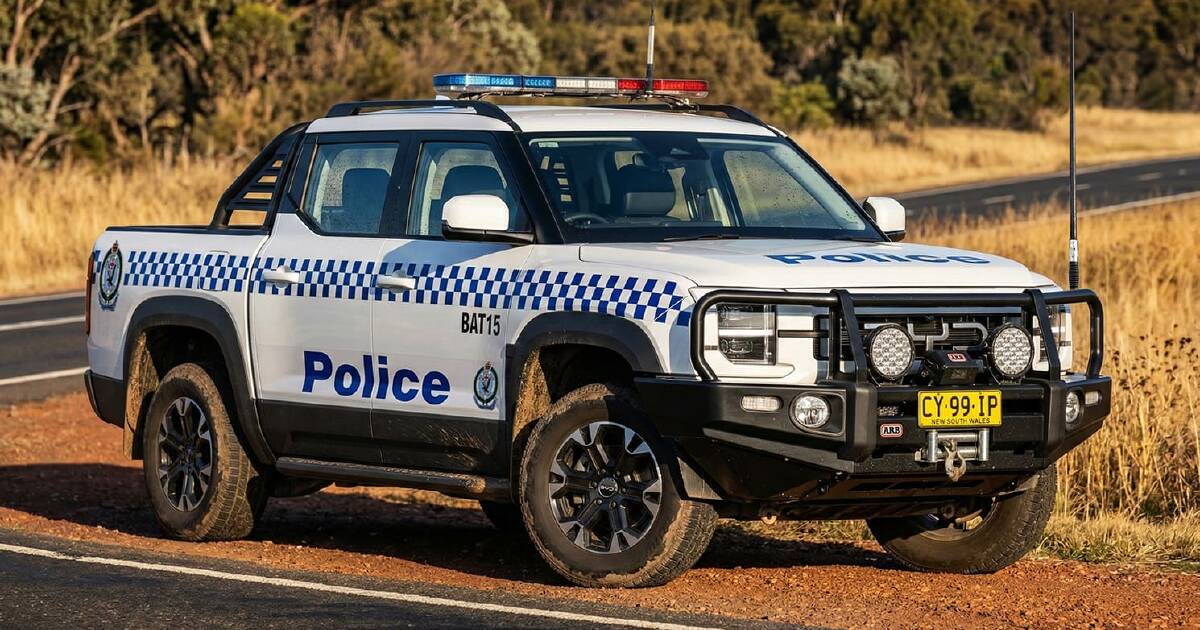
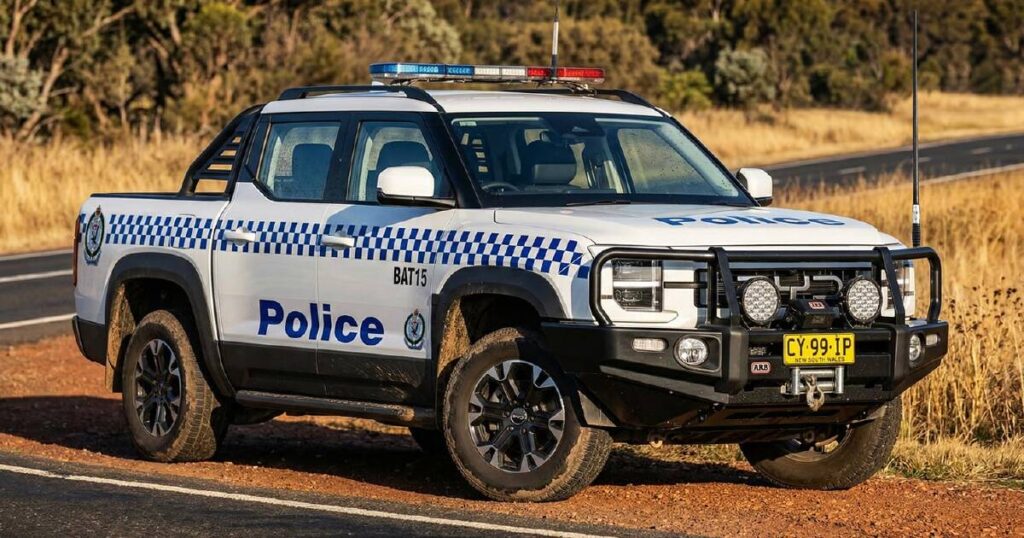
The BYD Shark 6, envisioned as a police vehicle by digital artist Thanos Pappas, presents a compelling case. Rendered against the backdrop of both rural Australia’s red dirt and the urban sprawl of Sydney, the Shark 6 seems well-suited to Australia’s varied environments. Its electric capabilities make it ideal for city and suburban patrols, while its petrol engine alleviates range anxiety on longer routes.
However, the question of its off-road prowess remains. According to CarsGuide’s off-road expert Marcus Craft, the Shark 6 is suitable for “light to moderate off-roading” only. While most police pursuits may not require rock-crawling capabilities, the vehicle’s appearance in police livery is undeniably striking.
Kia Tasman: A Realistic Prospect
The Kia Tasman is a more realistic option for police fleets. Kia and its sister company Hyundai already have strong ties with police services across Australia. In 2025, multiple jurisdictions expressed interest in the Tasman as a potential police vehicle, although extensive testing is required before it can be officially adopted.
While the Tasman shows promise, its suitability for police work remains under scrutiny, highlighting the rigorous standards vehicles must meet to serve in law enforcement.
Ford Mustang: Power and Prestige
The Ford Mustang, while not without its drawbacks, has often been considered for high-powered highway patrol roles or community engagement vehicles. A decade ago, the NSW Police Force contemplated using a Mustang GT for highway patrol, but overheating issues during testing hindered its adoption.
Despite these challenges, the Mustang remains an attractive option due to its iconic design, impressive performance, and historical connection to the former FPV patrol cars, thanks to its Coyote 5.0-litre engine.
Toyota RAV4: The Sensible Choice
The Toyota RAV4 might seem like an obvious choice, but its practicality cannot be overlooked. As a hybrid, it aligns with the growing trend towards eco-friendly policing. Toyota’s long-standing history of supplying reliable police vehicles further bolsters its case.
The upcoming RAV4 model promises to be a capable and user-friendly option, continuing Toyota’s legacy in law enforcement.
Genesis G70: A Luxury Option
In 2017, Victoria Police added BMW 5 Series vehicles to its highway patrol fleet, opening the door for similar luxury options like the Genesis G70. As a rear-drive sports sedan from Hyundai’s sibling brand, the G70 could offer a blend of performance and prestige.
With Hyundai models already in use by police, the Genesis G70 presents a logical extension of this partnership, combining style with functionality.
As police departments evaluate these options, the future of law enforcement vehicles will likely reflect a balance between performance, practicality, and public perception. The integration of electric and hybrid models alongside traditional high-performance vehicles illustrates the evolving priorities in policing, where sustainability and efficiency are increasingly important.
The coming years will reveal which of these contenders make the cut, shaping the face of modern policing in Australia and beyond.