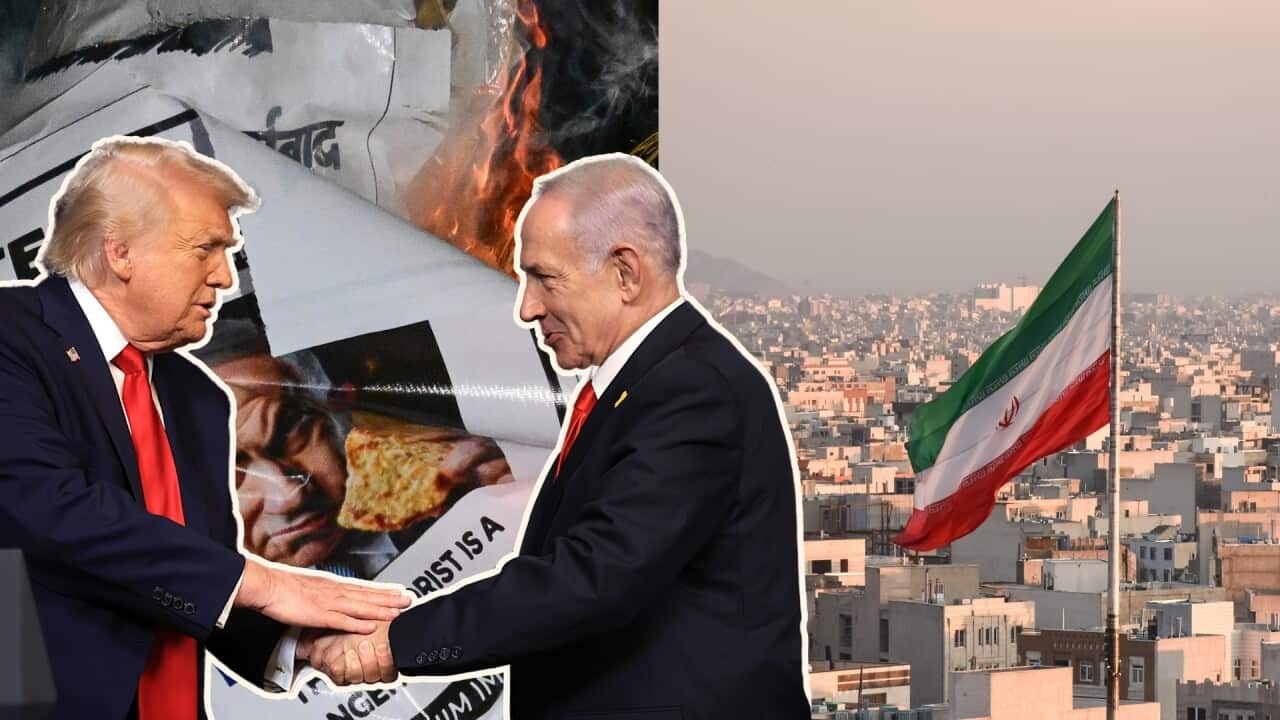

The escalating conflict in the Middle East, particularly involving Iran, has become a focal point of international concern. Experts are now weighing in on what it would take to bring an end to the hostilities that have drawn in multiple countries and resulted in significant loss of life. The war, which has seen antagonistic rhetoric from both the United States and Iran, appears to be far from resolution.
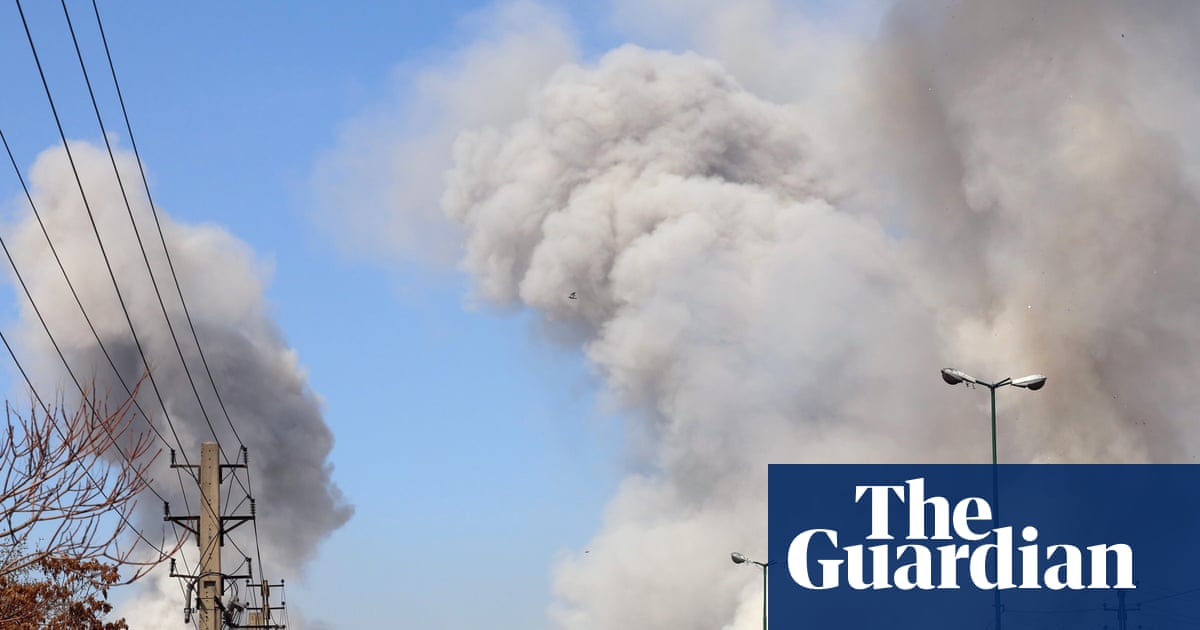
On Friday, Azerbaijan accused Iran of firing drones into its territory, prompting a temporary closure of its southern airspace. This incident underscores the rapid spread of the conflict, which intensified following surprise US and Israeli airstrikes that resulted in the death of Iran’s Supreme Leader Ayatollah Ali Khamenei. The strikes have since drawn in other nations, with Cyprus and Turkey also targeted, and European nations deploying ships to the eastern Mediterranean.
International Reactions and Regional Implications
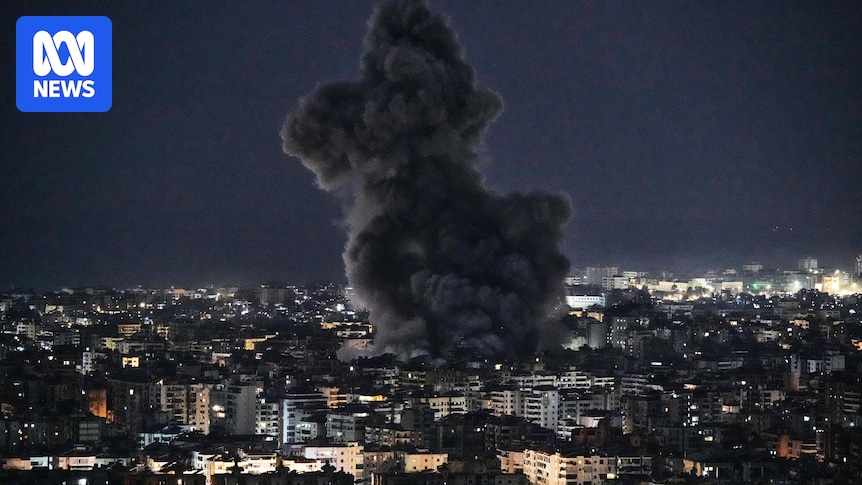
The conflict has not been contained to the Middle East alone. Hostilities have reached as far as the waters off Sri Lanka, where a US submarine sank an Iranian warship, resulting in 80 casualties. Within Iran, the Iranian Red Crescent Society reports over 1,230 deaths, including 175 schoolgirls and staff killed in a primary school in Minab. Meanwhile, Lebanon’s Health Ministry reports 77 fatalities, as thousands flee southern Beirut following Israeli warnings.
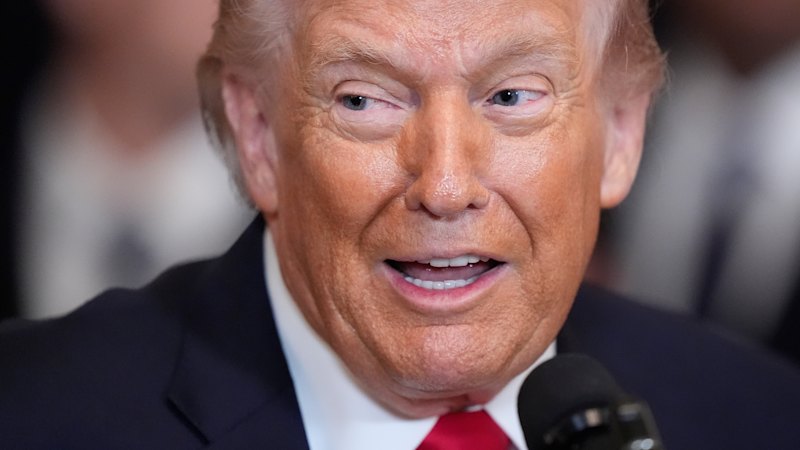
Israeli Prime Minister Benjamin Netanyahu has indicated that the military operation could be protracted, while former US President Donald Trump, initially suggesting a four-to-five-week timeline, has acknowledged the possibility of a longer conflict. Iranian Foreign Minister Abbas Aragchi, in an interview with CBS News, stated, “There is no way that they can win this war. As long as it takes, we resist.”
Expert Opinions on Potential Outcomes
Experts are divided on what might bring an end to the conflict. Dara Conduit, a senior lecturer at the University of Melbourne, highlights the scattered goals of the US and Israel, making it difficult to predict when bombardments might cease. “This war is set to continue for as long as the current arrangements stay in place,” she noted.
David Smith, an Associate Professor of American politics at the University of Sydney, suggests that Trump might continue the bombardment until he can claim a form of victory. “Trump has talked instead about the possibility that someone else within the regime will be more cooperative with the United States,” Smith explained.
“You don’t need to be a professor to know that regime change generally hasn’t gone well,” said Wesley Widmaier, an international relations professor at the Australian National University.
Historical Context and Comparisons
Widmaier pointed to the 1953 CIA-backed coup in Iran as a historical example of regime change that failed to bring stability. The current conflict, he suggests, may similarly not achieve its intended goals. Meanwhile, Smith notes that with US midterm elections approaching, Trump may seek to end the conflict to avoid damaging the Republican Party’s prospects.
International Pressure and Potential Resolutions
Associate Professor Srinjoy Bose from UNSW emphasizes the need for the international community to hold the US and Israel accountable. However, he notes a lack of political will to intervene. “What will it take for them to stop bombing Iran, other than achieving their goals, is for the international community to stand up against what is increasingly rogue state behaviour,” Bose stated.
Australian Prime Minister Anthony Albanese, initially supportive of the US-Israeli strikes, has since called for broader de-escalation of the conflict. Peace and conflict researcher Shadi Rouhshahbaz suggests that regime change in Iran could lead to various outcomes, from internal collapse to a re-balancing of power towards the Islamic Republic.
Long-term Implications and Future Scenarios
Conduit warns of long-term degradation in US-Gulf state relations, as the conflict has placed these states under direct attack from Iran. “The United States has gone into this conflict, even though these states were very against military intervention in Iran,” she explained.
Bose predicts that Iran’s weapons stockpile may not withstand the ongoing onslaught, potentially leading to a regime transformation. “The Gulf states that have been targeted by Iranian strikes will now turn against the current Iranian regime more forcefully,” he said.
“The Iranian populace has endured decades worth of hardship and suffering,” Bose noted, highlighting the internal pressures facing Iran’s regime.
As the conflict continues, the Iranian people remain the ultimate victims, with their voices largely absent from the international discourse. Conduit concludes, “The Iranian people are the ultimate victims of this. It’s quite clear that the Iranian people have never been part of the US administration’s goals, and they’re the ones that are going to pay the price.”