




Depression and anxiety are pervasive mental health challenges affecting millions globally. While treatments such as medication and psychotherapy have proven efficacy, they are not universally accessible. Barriers like cost, stigma, lengthy waiting periods for appointments, and potential side effects of drugs often hinder access. In light of these challenges, a new study has emerged, suggesting that exercise can be as effective as traditional treatments for some individuals.
The research, published today, highlights that physical activity, especially when social and guided by a professional, can significantly alleviate symptoms of depression and anxiety. This revelation opens new avenues for those seeking alternative or supplementary treatment options.
The Evidence Behind Exercise as Therapy
Physical activity has long been advocated as a beneficial option for managing anxiety and depression, primarily due to its ability to release endorphins, the brain’s “feel good” chemicals. However, the sheer volume of studies with varying outcomes has made it difficult to pinpoint the precise benefits of exercise, the most effective types, and the demographics that benefit the most.
Over the past two decades, numerous meta-analyses have attempted to clarify these aspects, yet gaps remained, particularly regarding the effectiveness of exercise across different age groups and the impact of exercise type. Many studies also included participants with other chronic conditions, complicating the generalization of findings.
Conducting a Comprehensive Review
In an effort to resolve these ambiguities, researchers conducted a “meta-meta-analysis,” systematically reviewing 81 existing meta-analyses. This comprehensive approach encompassed data from nearly 80,000 participants across more than 1,000 original trials, examining factors such as:
- Participant demographics (e.g., diagnosed depression or anxiety versus symptomatic individuals, age groups, and women during pregnancy and postpartum)
- Types of exercise (e.g., aerobic fitness, resistance training, yoga, supervised versus unsupervised, intensity, and duration)
- Individual versus group exercise settings
Advanced statistical techniques were employed to isolate the impact of exercise from confounding factors, providing a clearer picture of its effectiveness.
Key Findings: Exercise as a Potent Ally
The study found that exercise significantly reduces symptoms of both depression and anxiety. Specifically, it had a high impact on depression symptoms and a moderate impact on anxiety compared to inactivity. The benefits were comparable to, and sometimes exceeded, those of more conventional treatments like therapy and antidepressants.
Two groups showed the most improvement: adults aged 18 to 30 and women who had recently given birth.
For new mothers, barriers such as time constraints, lack of confidence, and limited access to suitable activities often impede exercise. The study suggests that making exercise more accessible could be a crucial strategy for supporting mental health during this vulnerable period.
The Role of Exercise Type and Frequency
Aerobic activities, including walking, running, cycling, and swimming, were most effective in reducing symptoms of both depression and anxiety. However, all forms of exercise, including resistance training and mind-body practices like yoga, contributed to symptom reduction.
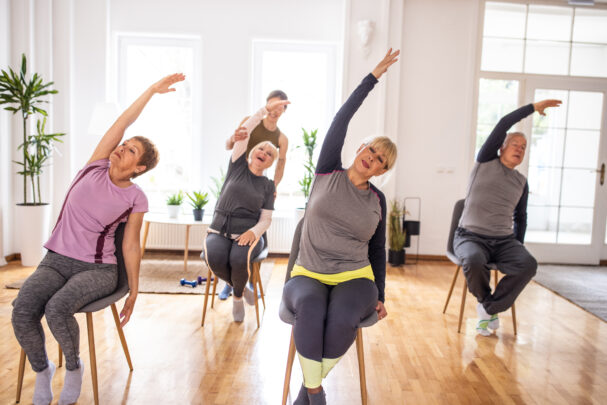
For depression, group exercises supervised by professionals showed greater improvements. Unfortunately, data on group or supervised exercise for anxiety was lacking, indicating a need for further research.
Interestingly, exercising once or twice a week was as effective for depression as more frequent sessions. Intensity levels, whether vigorous or low, did not significantly alter the benefits. For anxiety, consistent, lower-intensity exercise over eight weeks proved most beneficial.
Implications and Future Directions
The findings underscore exercise as a viable, evidence-based treatment for depression and anxiety, particularly for individuals with diagnosed conditions. However, simply advising patients to “exercise more” may not suffice. Structured, supervised exercise with a social component appears to be most effective, potentially due to the motivational boost from social interaction and accountability.
Clinicians should consider referring patients to specific programs, such as aerobic fitness classes or supervised walking and running programs, rather than offering generic advice. This approach could be especially beneficial for younger adults and postpartum women.
For those hesitant about medication or facing long therapy waits, supervised group exercise offers an effective, evidence-based alternative.
As the mental health landscape continues to evolve, integrating exercise into treatment plans could provide a cost-effective, accessible option for many. Further research is needed to explore the combined effects of exercise with traditional treatments, paving the way for more comprehensive mental health strategies.