



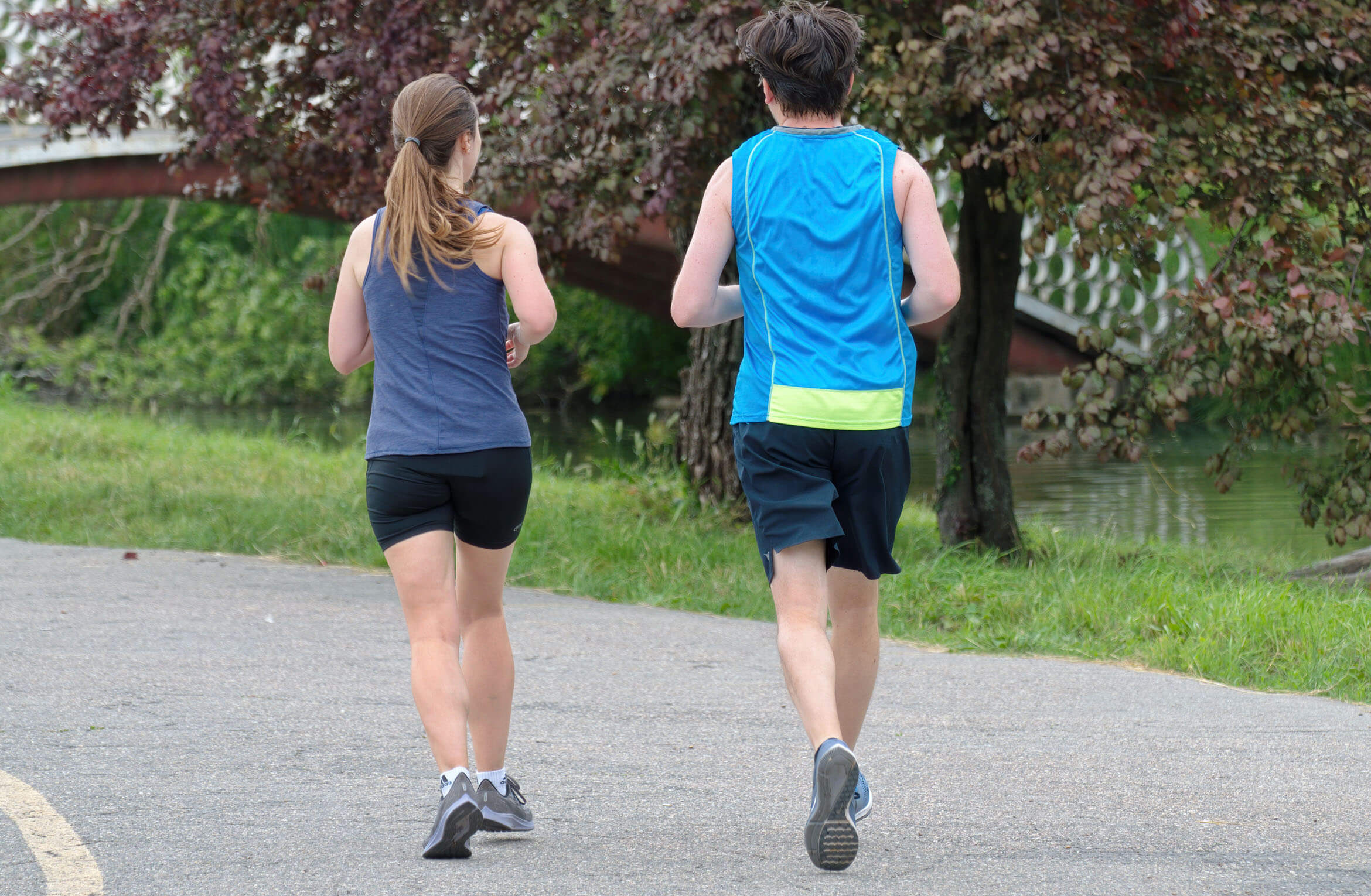
Regular physical activity has emerged as a promising non-pharmacological intervention for alleviating symptoms of anxiety and depression in individuals suffering from chronic insomnia. A comprehensive review of multiple independent studies, recently published in the journal Physiology & Behavior, highlights that exercise not only enhances overall sleep quality but also reduces the severity of sleep disruptions.
Insomnia, a prevalent condition characterized by persistent difficulty in falling or staying asleep, often leads to significant daytime impairments. These impairments affect social interactions, occupational performance, and general well-being. Those diagnosed with insomnia frequently experience elevated levels of psychological distress, manifesting as anxiety and depression.
The Interconnection of Sleep and Mental Health
Medical professionals have long observed that insomnia, anxiety, and depression are interconnected. Poor sleep exacerbates mood disorders, while negative moods can disrupt sleep, creating a vicious cycle that is challenging to break. Improving sleep quality is believed to enhance mental health, and vice versa, prompting scientists to explore non-drug treatments that address these intertwined issues simultaneously.
Physical activity is widely recognized for its benefits on sleep quality and mental health in the general population. Researchers aimed to determine whether these benefits extend to individuals formally diagnosed with insomnia, potentially offering an alternative to sleep medications and antidepressants.
Research Methodology and Findings
Study author Giselle Soares Passos, an associate professor at the Federal University of Jataí, explained, “Previous reviews suggested that anxiety reduction and antidepressant effects could be mechanisms explaining the effects of exercise on sleep. Our meta-analysis aimed to investigate the level of evidence for this hypothesis.”
A meta-analysis, a statistical technique that combines results from multiple studies, was employed. The researchers searched eight major academic databases for relevant research published up to May 2022, focusing on studies comparing exercise interventions to non-exercise control groups in adults over eighteen.
Ultimately, six randomized controlled trials and one quasi-randomized trial were selected, encompassing 336 participants. These studies featured diverse exercise programs, including brisk walking, treadmill running, stationary cycling, resistance training, yoga, and tai chi, with frequencies ranging from once a week to daily sessions over periods of eight to twenty-four weeks.
“Practicing regular exercise can improve symptoms of anxiety and depression in patients with insomnia, in addition to reducing insomnia severity, improving sleep quality, and decreasing waking after sleep onset,” Passos told PsyPost.
Impact of Exercise on Sleep and Mental Health
The analysis revealed that regular physical activity significantly reduced anxiety symptoms compared to control groups. Participants who exercised also experienced notable decreases in depressed mood. The physical activity improved participants’ subjective experiences of rest, with significant reductions in insomnia severity scores.
Many participants reported improvements in overall sleep quality, with some seeing their insomnia scores drop to mild, sub-threshold levels. Objective data gathered from wrist-worn sensors indicated specific improvements in nightly rest patterns, such as reduced time spent awake after initially falling asleep.
On average, participants who exercised spent nearly nine fewer minutes tossing and turning in the middle of the night, suggesting that physical activity helps consolidate sleep.
However, exercise interventions did not affect every aspect of sleep architecture. The time it took participants to initially fall asleep, total sleep duration, and overall sleep efficiency remained unchanged according to objective measurements.
Limitations and Future Directions
While the findings are encouraging, the researchers acknowledge several limitations. The total number of included studies was small, with a sample size of just over 300 people. Some trials faced methodological challenges, such as the inability to blind participants to their group assignments, potentially affecting the reliability of psychological outcomes.
The ideal exercise routine for reducing anxiety and depression in insomnia patients remains unclear. Future research will likely address these gaps by conducting larger studies with more rigorous designs. The scientists plan to investigate how exercise compares directly to cognitive behavioral therapy, a well-established treatment for insomnia, and explore combinations with non-invasive brain stimulation techniques.
Past research by the team has also examined how exercise pairs with treatments like acupuncture and common sleep medications, suggesting a broad potential for integrated therapeutic approaches.
This development follows a growing interest in holistic and lifestyle-based interventions for mental health and sleep disorders. As more studies emerge, the role of exercise in managing chronic insomnia and its associated psychological distress will continue to be a significant area of exploration.