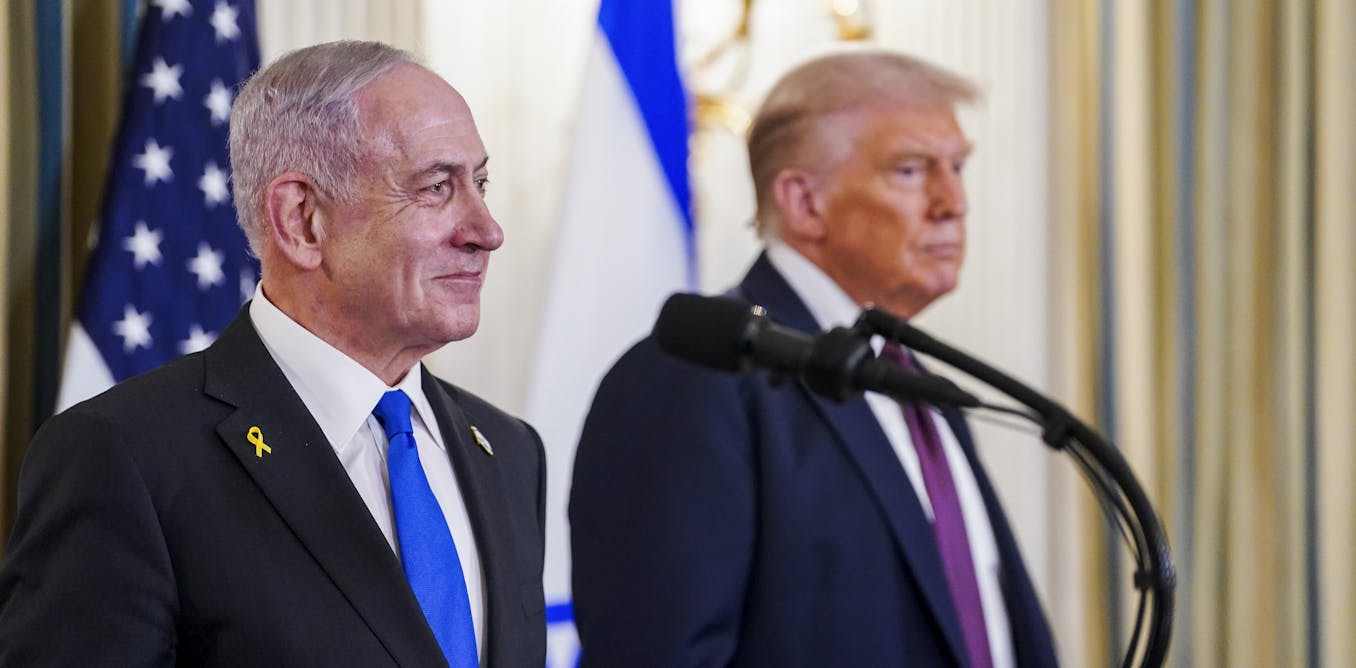


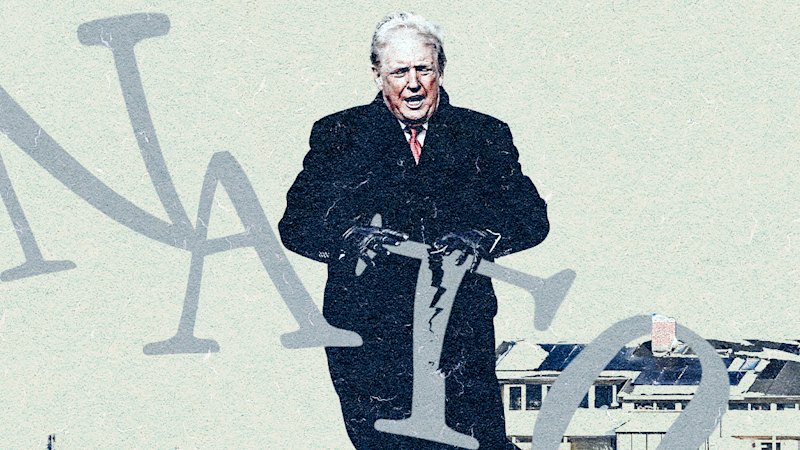
Brussels: The contentious struggle over control of Greenland has reached a temporary standstill as both sides declare victory and retreat to their respective corners. Former US President Donald Trump returned to the United States from Europe, claiming he achieved his objectives without incurring any costs. Meanwhile, European leaders expressed relief over Trump’s decision to withdraw his threat of imposing tariffs on them.
The prospect of an American move to seize Greenland by force, a notion perpetuated by some White House aides, has been dismissed by Trump himself. The confrontation with NATO allies has been paused, and there is a faint possibility of a “framework” that might resolve the disagreement. However, the past week of dangerous maneuvers has left no clear winners and has only weakened the alliance.
Europe’s Response to Trump’s Arctic Ambitions
Trump’s aggressive pursuit of Greenland has not bolstered America’s standing, as his threats of economic repercussions have strained relations with allies. European leaders are now reconsidering their strategies to counter the American president’s tactics. Kristina Spohr, a professor of international history at the London School of Economics, emphasizes the need for Europe to stand firm.
“Trump fails to understand one fundamental thing: that America’s strength since the Second World War came from its soft as much as hard power – as an empire by invitation, not an empire by coercion or imposition,” she says.
Spohr argues that Europeans must uphold the principles of sovereignty, territorial integrity, and self-determination, not only for the Greenlanders and Danes but for themselves as well. This stance is crucial to maintaining an international order where smaller and medium-sized powers are respected.
Tariff Threats and European Unity
The dispute over Greenland dates back to Trump’s first term, when he expressed a desire to annex the island and criticized Danish Prime Minister Mette Frederiksen for opposing him. In his second term, the issue has escalated, now involving the terms of the alliance itself. Trump claims to have a “framework” that grants the US full access to Greenland for its missile defense system, the Golden Dome. However, this plan lacks public endorsement from Greenland or Denmark.
European leaders are not waiting for a resolution. In response to Trump’s tariff threats, the European Union has proposed sanctions on US exports worth €93 billion, approximately $160 billion. French President Emmanuel Macron highlighted the importance of a united European front in countering such threats.
“The conclusion to be drawn is that when Europe reacts in a united manner, using the instruments at its disposal, when it is threatened, it can make itself respected,” Macron stated.
Trump’s negotiation style involves making bold claims and pushing adversaries to the brink to see what concessions he can extract. While he may not achieve the invasion of Greenland, gaining control over additional bases there would still advance his objectives.
NATO’s Challenges and European Defense
The current situation underscores the need for Europe to strengthen its defense capabilities. Bernhard Blumenau, a senior lecturer in international history at the University of St Andrews, argues that European allies must prepare for a future without relying on US security assurances.
“The US security assurance is disappearing. So Europeans have no choice but to defend themselves,” Blumenau asserts.
Blumenau suggests that Europe could manage to fend off threats from Russia with a united defense strategy, even without US intervention. He emphasizes the importance of utilizing British and French nuclear deterrents effectively, despite their smaller arsenals compared to the US or Russia.
Amid these challenges, NATO military chiefs maintained a facade of calm during their annual meetings in Brussels. Admiral Giuseppe Cavo Dragone and General Alexus Grynkewich projected unity and readiness to address Arctic security concerns.
The Future of European and Global Security
Finnish President Alexander Stubb dismissed concerns about NATO’s weakening, pointing to Russian President Vladimir Putin’s strategic failures. Stubb highlighted how Putin’s actions have inadvertently strengthened NATO and increased defense spending among European states.
“This war has been an utter strategic failure of President Putin,” Stubb remarked.
The unfolding dynamics between the US and Europe signal a shift in global security architecture. As Europe navigates these challenges, it faces the task of redefining its defense posture and ensuring its own security in an increasingly unpredictable world.