




Europe is currently navigating a complex web of geopolitical and economic challenges. With a persistent threat from a hostile Russia and the unpredictable policies of the Trump administration, the continent is also grappling with internal unrest over migration. Amidst these issues, Europe faces a significant economic challenge known as the “Second China Shock.”
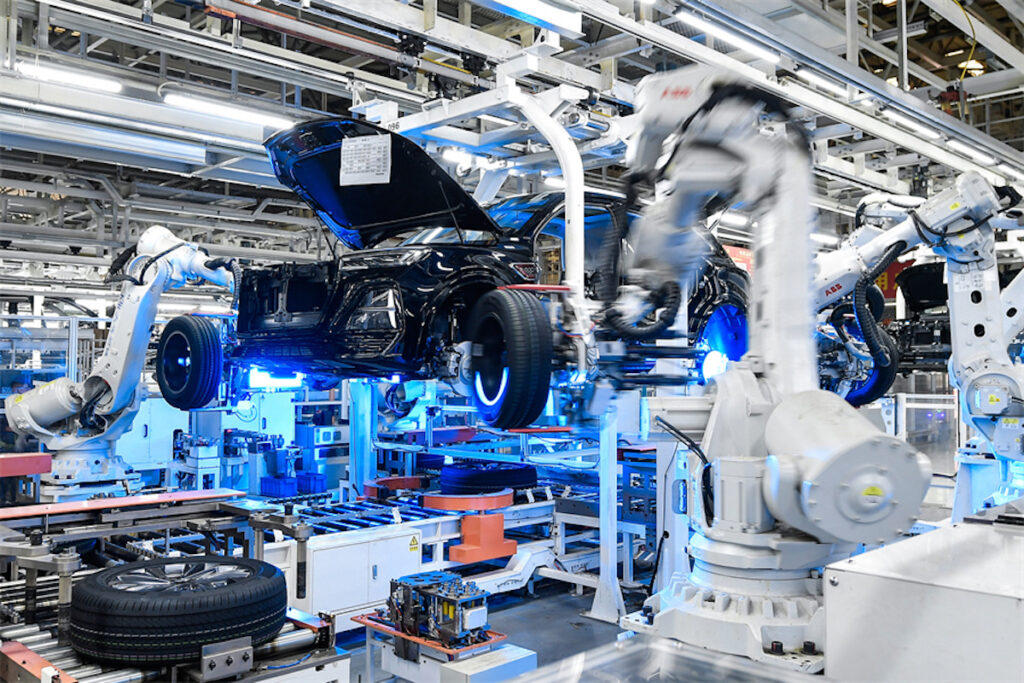
The Second China Shock refers to the surge of high-tech exports that China has been sending globally in recent years. This influx is largely due to China’s ongoing economic struggles following a real estate bust in late 2021. In response, the Chinese government has implemented an extensive industrial policy, promoting high-tech manufacturing across various sectors. As domestic demand in China remains weak, Chinese companies are exporting their products, such as electric vehicles and machinery, at competitive prices worldwide.
The Impact on Europe
Europe is experiencing a substantial trade deficit with China, exacerbated by several factors. China’s currency has depreciated, making its goods more affordable on the global market. According to a Shanghai Macro Strategist, this has resulted in an undervaluation of the yuan, making it difficult for other countries to compete with Chinese exporters.
“This combination — falling relative prices in China and a weaker currency — has made Chinese goods and services extraordinarily cheap in global terms,” the strategist notes.
Additionally, changes in U.S. trade policies, including tariffs, have prompted Chinese companies to seek new markets, further increasing exports to Europe. While some argue that this surge in Chinese exports indirectly targets the U.S., experts like Gerard DiPippo assert that transshipment to America is minimal, with Europe being a primary customer.
Challenges and Opportunities
While some may view the influx of affordable Chinese goods as beneficial, there are significant concerns. A key issue is the potential military implications. With Russia posing a threat and the U.S. being an unreliable ally, Europe may need to bolster its manufacturing capabilities to support military production in the event of conflict.
Moreover, Europe’s trade with China is increasingly unbalanced. Robin Harding of the Financial Times warns that China’s reluctance to import goods could lead to long-term economic challenges for Europe.
“If China does not want to buy anything from us in trade, then how can we trade with China?” Harding questions.
Some experts suggest that this unbalanced trade could make Europe economically poorer. A Goldman Sachs report indicates that while Chinese exports boost China’s GDP, they may reduce global GDP, including Europe’s.
Strategies for Resistance
To counter the Second China Shock, Europe may need to consider protectionist measures. Robin Harding argues that while protectionism is not ideal, it may be necessary to preserve European industry.
“It is now increasingly hard to see how Europe can avoid large-scale protection if it is to retain any industry at all,” Harding states.
Potential strategies include imposing tariffs on Chinese goods, encouraging joint ventures with Chinese companies, and pressuring China to appreciate its currency. These measures could help Europe maintain its industrial base and foster innovation.
Looking Ahead
While the path forward is challenging, taking action against the Second China Shock could lead to a more balanced global economy. By implementing strategic trade policies, Europe can protect its industries and ensure long-term economic stability. As the continent faces numerous threats, resisting deindustrialization is crucial to maintaining its economic and military strength.