




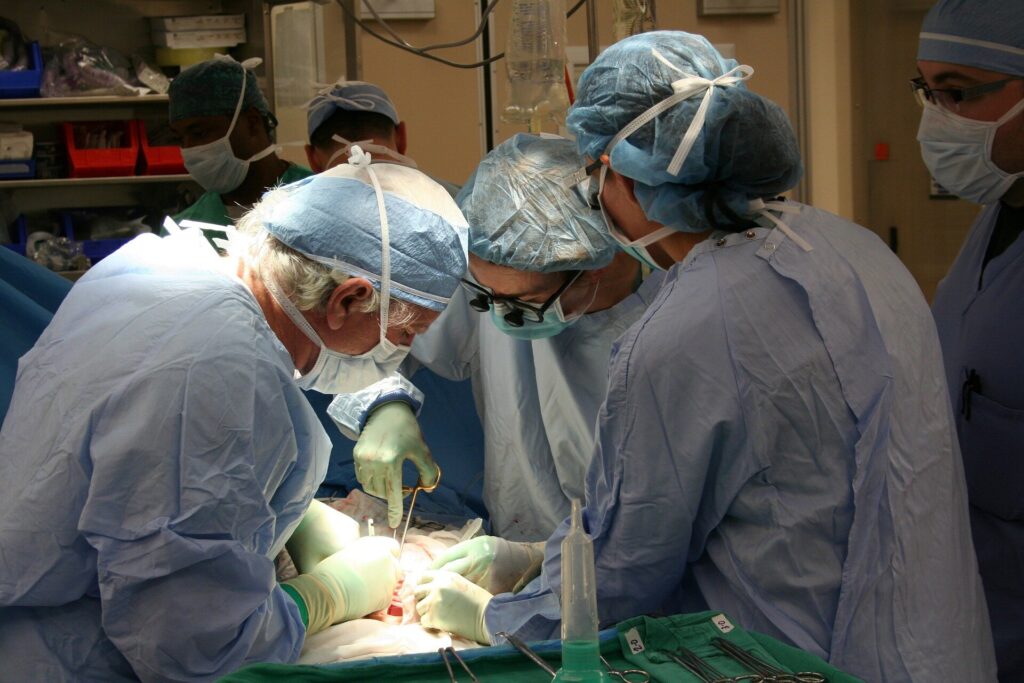
In a Maryland operating room in November 2025, doctors made medical history by transplanting a genetically modified pig kidney into a living patient. This groundbreaking procedure marked the first clinical trial of pig-to-human kidney transplants, aiming to determine if gene-edited pig kidneys can safely replace failing human ones. The kidney, engineered to mimic human tissue, was grown in a pig, offering an alternative to the often fruitless wait for a human organ donor.
While this advancement represents a significant leap in medical science, it also highlights a curious ethical paradox in the United States. Although the transplantation of pig organs into humans is permitted, the cultivation of human organs within pigs remains prohibited. This regulatory stance has sparked debate among scientists and ethicists alike.
Urgent Need Drives Xenotransplantation
The push towards xenotransplantation is driven by a dire need. Over 100,000 Americans are currently on organ transplant waiting lists, with demand far outstripping supply. Thousands die each year before a suitable organ becomes available. For decades, researchers have explored cross-species solutions, from baboon hearts in the 1960s to today’s genetically altered pigs. The primary challenge has always been the immune system’s rejection of foreign cells.
A recent case in New Hampshire underscores this challenge. A man received a gene-edited pig kidney in January 2025, but it had to be removed nine months later due to declining function. This partial success offered hope but also served as a reminder that rejection remains a central issue in xenotransplantation.
More than 100,000 Americans are waiting for organ transplants, with thousands dying each year due to the shortage.
Historical Context and Ethical Concerns
A decade ago, scientists pursued a different approach: growing human organs inside pigs using human stem cells. This method involved disabling pig embryo genes responsible for organ development and injecting human stem cells to create organs genetically matched to patients, theoretically eliminating rejection risks. However, in 2015, the National Institutes of Health (NIH) paused funding for this research, citing ethical concerns.
The NIH’s decision was not driven by scientific failure but by moral confusion. Policymakers feared that human cells might spread throughout the animal’s body, potentially altering its cognitive state and blurring the line between human and animal. The Animal Legal Defense Fund argued that such chimeras, if they gained human-like awareness, should be treated as human research subjects.
“The NIH warned of possible ‘alterations of the animal’s cognitive state,’ raising ethical questions about the moral status of such beings.”
The Flawed Logic of the NIH Ban
Critics argue that the NIH’s reasoning is flawed. If cognitive capacities like self-consciousness conferred higher moral status, regulators would be equally concerned about inserting dolphin or primate cells into pigs as they are about human cells. Yet, this is not the case. In practice, moral consideration is often based on species membership rather than specific cognitive abilities.
Current research policies treat pigs with human organs as if they might become human, despite the fact that the presence of human cells does not confer human status. The pigs engineered for kidney transplants already carry human genes, yet they are not considered half-human beings.
While there may be valid objections to using animals as organ factories, such as welfare concerns, the rationale behind the NIH ban rests on a misunderstanding of what grants beings moral standing. The ethical debate continues as researchers strive to balance scientific progress with moral responsibility.
Implications and Future Directions
The ethical dilemma surrounding xenotransplantation and human-animal chimeras poses significant questions for the future of medical science. As technology advances, the lines between species may continue to blur, challenging existing ethical frameworks. The ongoing debate will likely influence future policies and research directions.
Meanwhile, the urgent need for organ transplants persists, driving innovation and experimentation. As scientists work to overcome the challenges of rejection and ethical concerns, the hope remains that these advancements will one day provide life-saving solutions for those in need.
As the field evolves, it will be crucial for policymakers, scientists, and ethicists to engage in open dialogue, ensuring that ethical considerations keep pace with scientific breakthroughs. The future of organ transplantation may well depend on finding a balance between innovation and ethical responsibility.