



Though China and Japan are experienced in managing diplomatic crises, relations between the two neighbors have reached a new low. The latest conflict, sparked by remarks from Japanese Prime Minister Sanae Takaichi, suggests that a resolution may not be forthcoming.
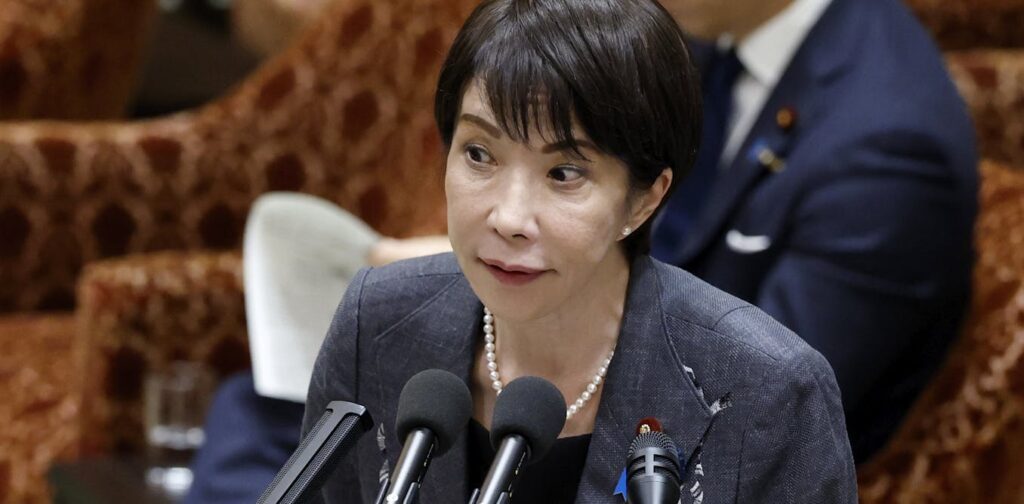
The tensions were ignited on November 7 when Takaichi, speaking in the Japanese Diet, indicated that any military action by Beijing against Taiwan could lead to Japanese military intervention. She described such a scenario as a “survival-threatening situation” for Japan, justifying collective self-defense to support its U.S. ally in restoring peace across the Taiwan Strait.
Historical Context and Diplomatic Crisis
Taiwan’s complex history with Japan dates back to its colonial period from 1895 to 1945. After the Chinese Civil War, it became a refuge for Chiang Kai-shek’s Nationalists. Today, Beijing views Taiwan as a province, despite its lack of Communist rule, and considers any contrary statements as interference in its domestic affairs.
In response to Takaichi’s comments, China’s “wolf warrior diplomats” demanded a retraction and apology, launching a verbal assault against her. As Takaichi stood firm, Beijing retaliated with political, economic, and military pressure, including travel warnings for Chinese citizens, reduced imports of Japanese seafood, and the cancellation of cultural events.
“The diplomatic turmoil reached a climax in early December with Chinese military planes directing their radars at Japanese fighter jets.”
China also increased its naval presence near the disputed Senkaku Islands, known as the Diaoyu Islands in China, further escalating tensions. An international campaign aimed at isolating Tokyo was initiated, with formal protests lodged at the United Nations and pressure applied on global leaders to align with Beijing.
Tensions Spill into Trade
China and Japan are significant trading partners, with a fifth of Japan’s tourism revenue coming from China this year. Beijing’s economic measures could impact Japan’s economy, with potential losses estimated at ¥2.2 trillion (A$14.2 billion). However, these actions are not unprecedented.
Past conflicts, such as the early 2000s protests over Japanese war shrine visits and textbook revisions, and the 2010 rare earth mineral export ban following a maritime incident, have tested the bilateral relationship. Despite these challenges, both nations have historically managed to separate diplomatic disputes from trade and business ties.
Japan’s economic aid and investments have been crucial to China’s industrial growth, fostering close economic relations. In 2006, then-Prime Minister Shinzo Abe emphasized a “mutually beneficial relationship based on common strategic interests,” a framework that has helped manage tensions.
No Immediate Resolution in Sight
Despite past successes in de-escalation, the current situation appears more challenging. Prime Minister Takaichi, known for her conservative stance and alignment with her mentor Abe’s policies, has been vocal about strengthening Japan’s defense and its alliance with the U.S.
Takaichi’s visits to Taiwan and calls for a “quasi-security alliance” reflect Tokyo’s concerns about Taiwan’s security being directly linked to Japan’s. Following Russia’s invasion of Ukraine, the significance of Taiwan in international security has been underscored by Japanese leaders.
“Already, Takaichi has announced plans to increase Japan’s defense budget to 2% of its GDP by the end of March 2026, two years ahead of schedule.”
Supported by Taiwan’s leadership, Takaichi has used the standoff with Beijing to bolster her image as a decisive leader, shifting public attention from past scandals to the current security crisis. Her administration enjoys high support, complicating prospects for a quick resolution.
Future Implications and Strategic Adjustments
China’s increased power since a decade ago provides it with numerous options to escalate tensions, including trade weaponization and military exercises. However, Japan has learned from past crises, bolstering its supply chain resilience and diversifying investments away from China.
Takaichi’s coalition excludes the Komeito party, known for its ties to Beijing, and within her Liberal Democratic Party, figures skeptical of China’s rise remain influential. With limited diplomatic communication and domestic politics taking precedence, an off-ramp for the current dispute remains elusive.
As both nations navigate this complex geopolitical landscape, the world watches closely, aware that the resolution of these tensions will have significant implications for regional stability and global economic dynamics.
