
As tensions between the United States and Iran continue to escalate, the conflict has begun to ripple across the globe, affecting international relations and markets. On Friday, Iran launched new attacks on Gulf Arab countries, intensifying a conflict that has already seen significant military engagement.
Saudi Arabia reported that it had intercepted nearly 50 drones targeting its infrastructure, while sirens blared in Bahrain, warning of incoming fire from Dubai. The interception led to a blaze in an industrial area due to debris, underscoring the volatile nature of the region’s security situation.
Impact on Israel and Lebanon
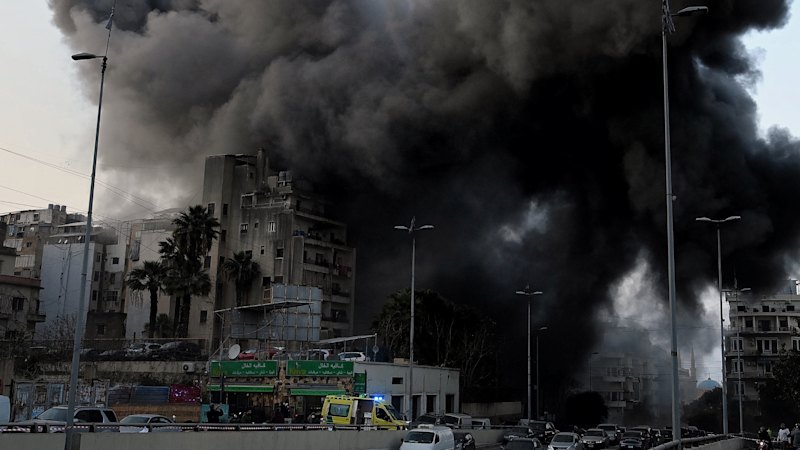
Meanwhile, in northern Israel, nearly 60 people were wounded following rocket salvoes launched by Hezbollah. Although most injuries were minor, the attacks marked a significant escalation in hostilities. In Lebanon, an Israeli strike in southwestern Beirut resulted in one fatality, while another attack engulfed an apartment in flames. The Israeli Defense Forces (IDF) confirmed targeting Iran-linked Hezbollah members in these operations.
In a significant military development, the IDF announced that its air force had struck over 200 targets across western and central Iran within a single day. This aggressive military campaign, dubbed Operation Roar of the Lion, aims to dismantle Iran’s military capabilities.
Global Energy Market Reactions
The conflict has also had profound implications for global energy markets. In response to the instability, the United States issued a 30-day license allowing countries to purchase Russian oil stranded at sea, in an attempt to stabilize energy supplies.
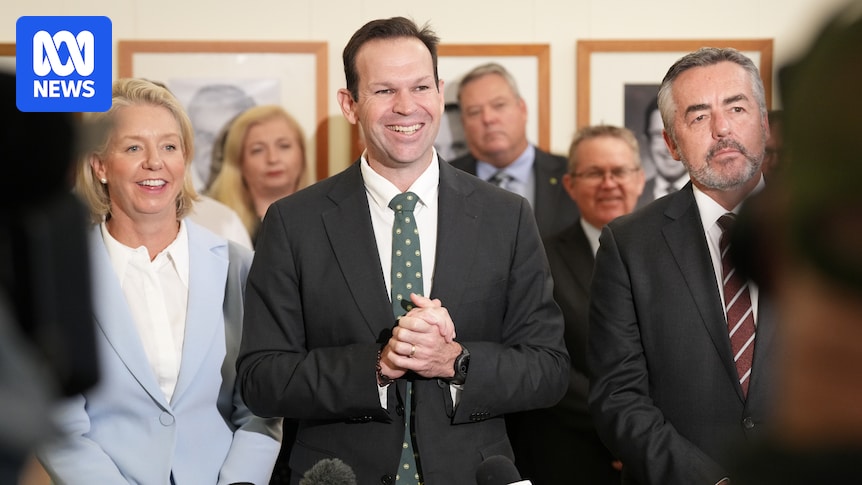
In Australia, the government has taken measures to address domestic fuel concerns. Despite assurances from Assistant Minister for Foreign Affairs Matt Thistlethwaite that there is no fuel emergency, the government has permitted the release of 800 million liters of petrol and diesel from reserves to meet rising demand. Fuel prices have surged above $2 per liter, prompting concerns among consumers and businesses alike.
“We don’t have a crisis of supply,” Thistlethwaite stated, emphasizing that current stockpiles are sufficient to meet national needs.
However, the government’s decision to relax fuel-quality requirements has sparked debate, with opposition figures suggesting further measures to support transport and logistics sectors.
Political Reactions and Defections
Political leaders have not held back in their rhetoric. US President Donald Trump, on his Truth Social platform, issued a stark warning to Iran, labeling its leaders as “deranged scumbags” and promising further actions. Trump’s comments come as the conflict enters its third week, with significant casualties and millions displaced.
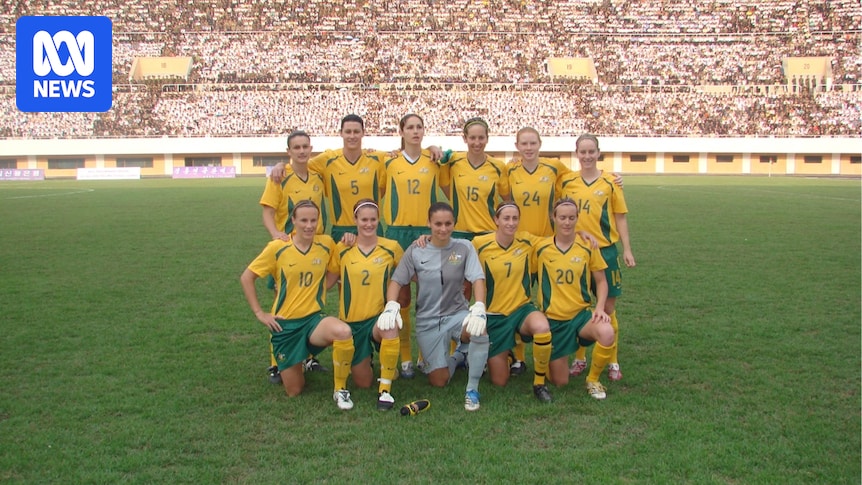
In a surprising turn of events, Iran’s second-most senior diplomat in Australia, Mohammad Pournajaf, defected and sought asylum three years ago, a development that remained undisclosed until now. This revelation follows the dramatic escape of members of the Iranian women’s football team, highlighting internal dissent within Iran.
Future Implications and Global Outlook
As the conflict continues, the international community watches closely. The Strait of Hormuz remains a critical chokepoint, with Iran’s new Supreme Leader Mojtaba Khamenei threatening to keep it closed. This strategic waterway is vital for global oil shipments, and its closure could have severe economic repercussions worldwide.
The ongoing military operations and political posturing suggest that a resolution is not imminent. The situation remains fluid, with potential for further escalation. As global leaders navigate this complex geopolitical landscape, the implications for international relations and economic stability are profound.
The world waits to see how these developments will unfold, with hopes for diplomatic solutions amidst the ongoing conflict.