
The United States and Israel have intensified their military operations against Iran, striking key fuel depots near Tehran as part of a broader strategy to destabilize the Iranian government. This escalation follows reports that President Donald Trump is considering deploying U.S. troops to secure Iranian nuclear facilities, a move discussed with Israeli officials, according to news website Axios.
As the conflict enters its second week, Israeli Prime Minister Benjamin Netanyahu announced that U.S.-Israeli forces are targeting “many more” strategic sites. This comes after the initial strikes on Iran’s energy infrastructure, marking a significant shift in the ongoing hostilities that began in late February.
Leadership Void in Iran
The death of Iran’s Supreme Leader Ayatollah Ali Khamenei on the war’s first day has left a leadership vacuum, with the Assembly of Experts tasked with selecting his successor. Ayatollah Mohammadmehdi Mirbaqeri, a member of the assembly, indicated that a consensus is forming, though some procedural obstacles remain.
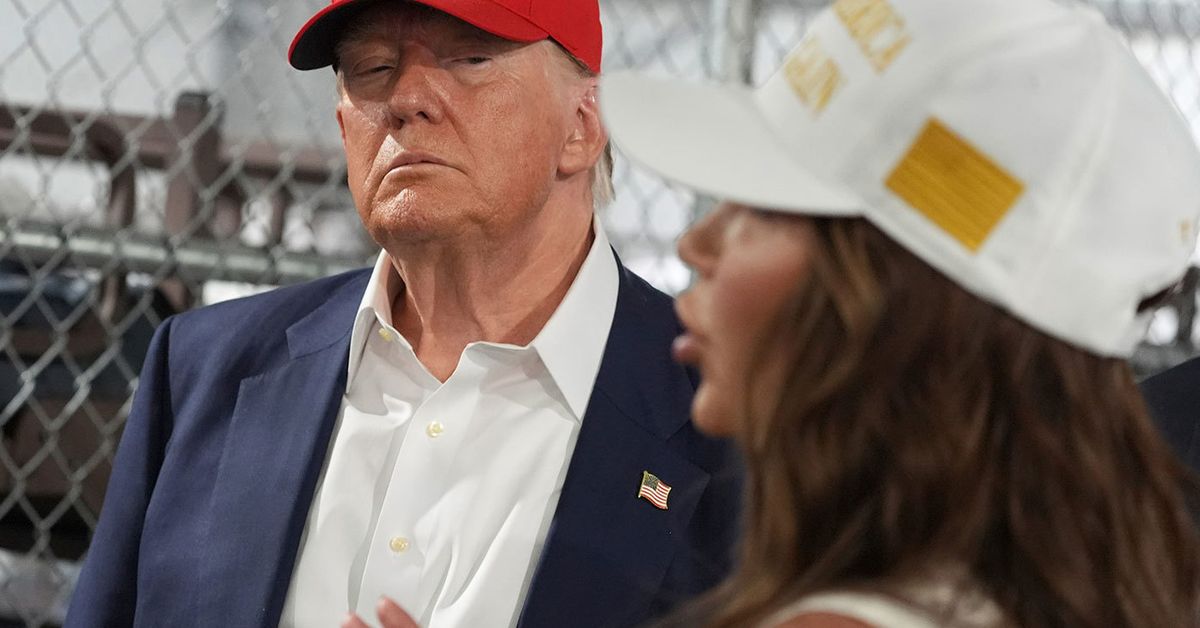
Among the potential candidates is Khamenei’s son, Mojtaba Khamenei, who is seen as a frontrunner despite his lack of public office experience. His candidacy is controversial, with U.S. President Trump labeling him an “unacceptable” choice, reflecting the deep-seated tensions between the two nations.
International Reactions and Implications
China’s Foreign Minister Wang Yi expressed regret over the conflict, warning against efforts to instigate regime change. Despite the tensions, he confirmed that the hostilities would not affect an upcoming meeting between President Trump and China’s President Xi Jinping.
Meanwhile, Australia has ruled out sending troops to the region, though Foreign Minister Penny Wong stated that Australia could assist Middle Eastern nations in defending against Iranian attacks. The conflict has also affected global oil prices, with unleaded petrol in Sydney and Melbourne reaching nearly $2.20 per liter as the Strait of Hormuz remains a chokepoint.
Regional Escalations and Civilian Impact
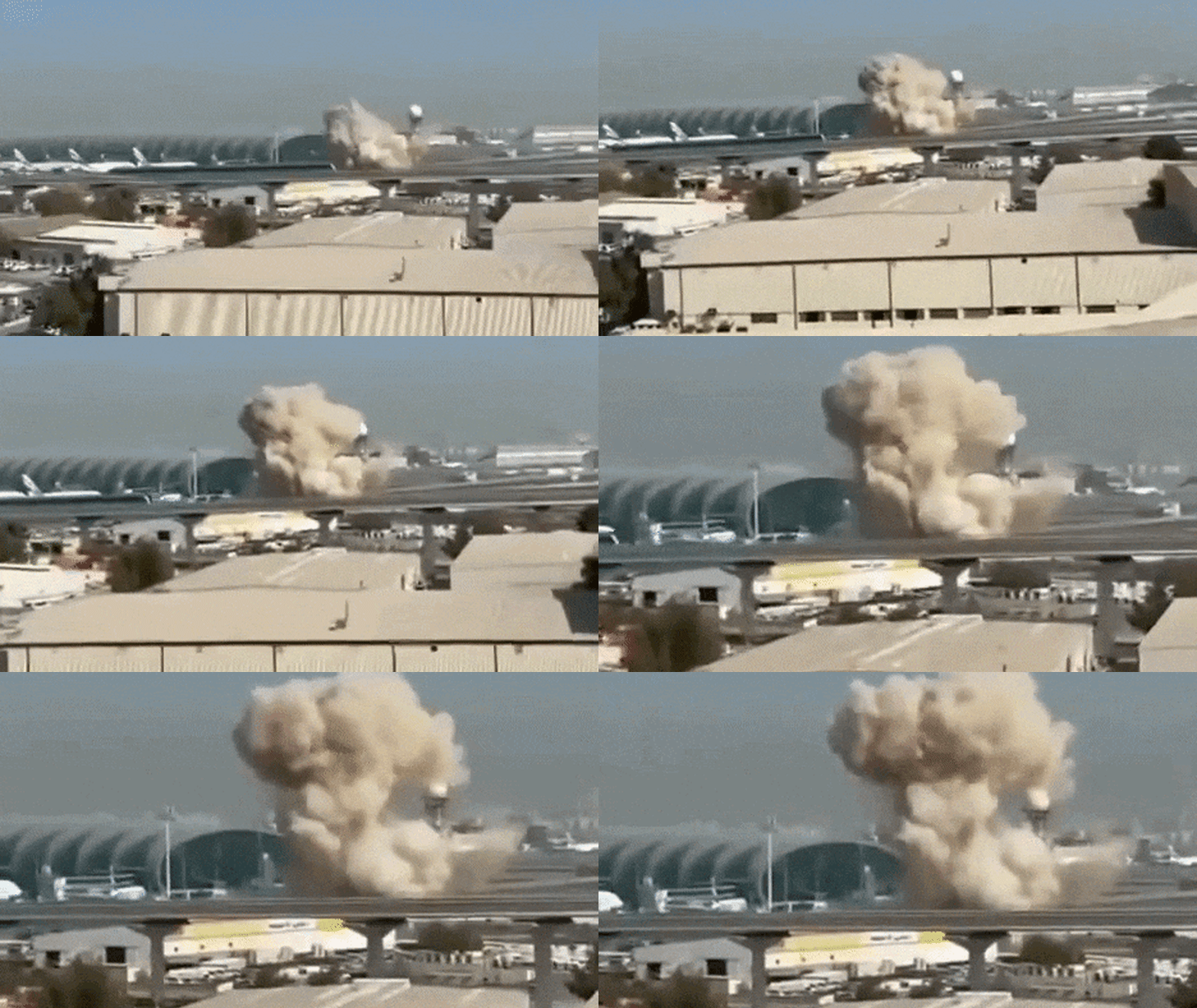
In the Gulf, a major fire erupted in a Kuwaiti government building following reports of intercepted drones and missiles. Bahrain also reported an Iranian drone attack on a desalination plant, although water supplies were not affected. These incidents highlight the broader regional impact of the conflict, with civilian infrastructure increasingly at risk.
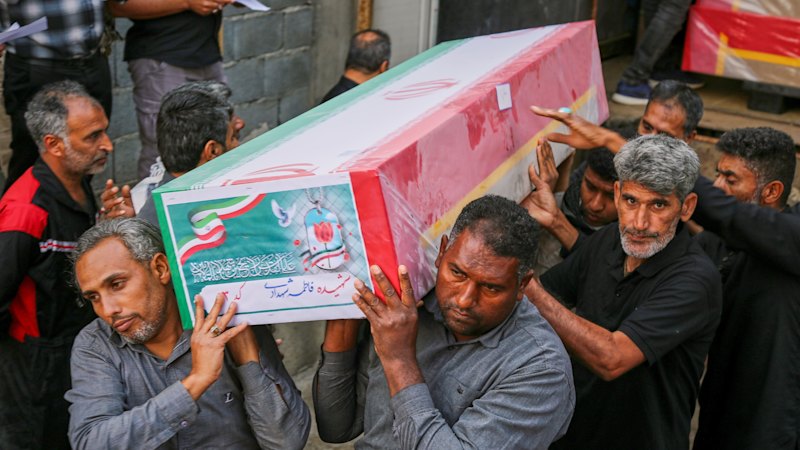
In Tehran, the air is thick with smoke following strikes on fuel depots. Al Jazeera journalist Tohid Asadi described the hazardous conditions, noting the presence of toxic air and black raindrops on windows. Iranian state media reported casualties among tanker drivers, underscoring the human cost of the conflict.
Protests and Public Sentiment
In Australia, hundreds of protesters gathered outside Melbourne’s Parliament House, waving Iranian, Australian, and Israeli flags. The demonstration, which marks over a week since the war began, saw many expressing support for Reza Pahlavi, the exiled son of Iran’s last shah, as a potential transitional leader.
The protests reflect a growing international sentiment against the Iranian regime, with many hopeful for change following the death of Khamenei. Last week, similar demonstrations celebrated his killing, viewing it as a potential turning point for Iran’s future.
Looking Ahead
The conflict between the U.S., Israel, and Iran shows no signs of abating, with military operations likely to continue. The selection of Iran’s new supreme leader will be pivotal, potentially influencing the country’s future trajectory and its relations with the West.
As the international community watches closely, the implications of this conflict extend beyond the immediate region, affecting global politics, economics, and security. The coming days and weeks will be critical in determining the path forward for all parties involved.