

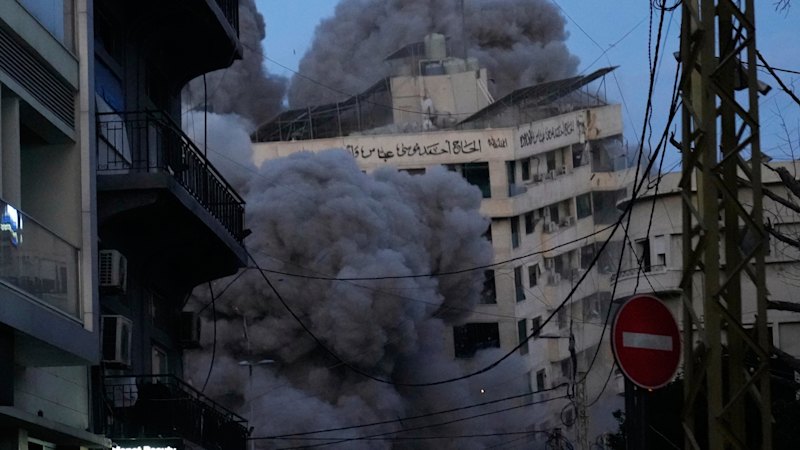
In a significant escalation of the ongoing conflict in the Middle East, Iranian officials confirmed the deaths of two high-profile figures, Ali Larijani and General Gholam Reza Soleimani, following Israeli military strikes. This development has further intensified the US-Israeli confrontation with Iran, which has already resulted in the deaths of over 1,300 people in Iran, more than 900 in Lebanon, and 14 in Israel. The conflict, which began on February 28, has also affected multiple nations across the Middle East and Persian Gulf through missile and drone attacks.
The US military has reported 13 service members killed and approximately 200 wounded. In response, Iran launched strikes towards Israel and several Gulf countries, with explosions reported in the United Arab Emirates and Qatar, and interceptions in Saudi Arabia. The attacks followed the confirmation of the deaths of Larijani and Soleimani, both key figures in Iran’s security apparatus.
Trump’s Criticism and Military Developments
Former US President Donald Trump has publicly criticized NATO and allies such as Australia, Japan, and South Korea for not supporting US efforts to secure the Strait of Hormuz from Iranian attacks. In a social media post, Trump stated, “We don’t need them, but they should have been there,” drawing strong condemnation from Australian Liberal MP Andrew Hastie. A recent poll indicates that most Australians prefer to remain uninvolved in the conflict.
Trump has also suggested that the US may soon exit the conflict, stating, “If we left right now, it would take them 10 years to rebuild. But we’re not ready to leave yet. But we’ll be leaving in the near future.” Meanwhile, the US military has intensified its operations, dropping “bunker buster” bombs on Iranian missile sites near the Strait of Hormuz.
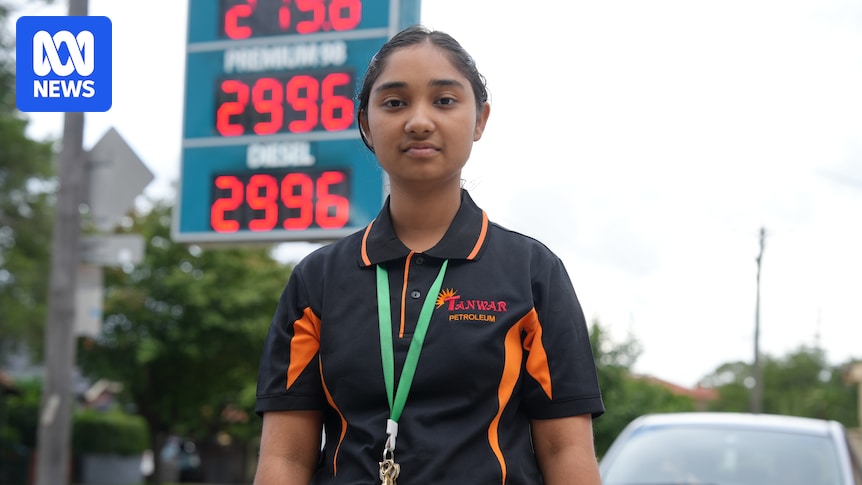
Amid these tensions, an Iranian projectile struck near Australia’s Al Minhad Air Base in the UAE, causing minor damage but no injuries. Australian Prime Minister Anthony Albanese has initiated measures to address fuel price challenges, as the conflict threatens to push inflation beyond 5% due to rising oil prices.
Impact on Global Shipping and Regional Security
The International Maritime Organisation (IMO) is set to hold an emergency meeting in London to address the conflict’s impact on global shipping. According to the IMO, “Around 3200 vessels are confined west of the Strait of Hormuz, with around 20,000 seafarers impacted.” The organization is considering establishing a “safe maritime corridor” to evacuate stranded seafarers and ships.
Meanwhile, missile alerts have sounded in Dubai, with successful interceptions reported. Israel detected a new missile launch from Iran, marking the fourth in eight hours. Iran’s retaliatory strikes, including those targeting Tel Aviv, have been described as responses to the assassination of Larijani and Soleimani.
“Iran has a strong political structure with established political, economic, and social institutions. The presence or absence of a single individual doesn’t influence the structure,” stated Iran’s Foreign Minister Abbas Araghchi.
European Union’s Response and Economic Implications
European Union President Ursula von der Leyen is scheduled to visit Australia next week to sign a free trade agreement, a move seen as diversifying trade relations amid Middle Eastern tensions. Australian Trade Minister Don Farrell noted that the deal could deliver $10 billion in additional trade for Australia in its first year.
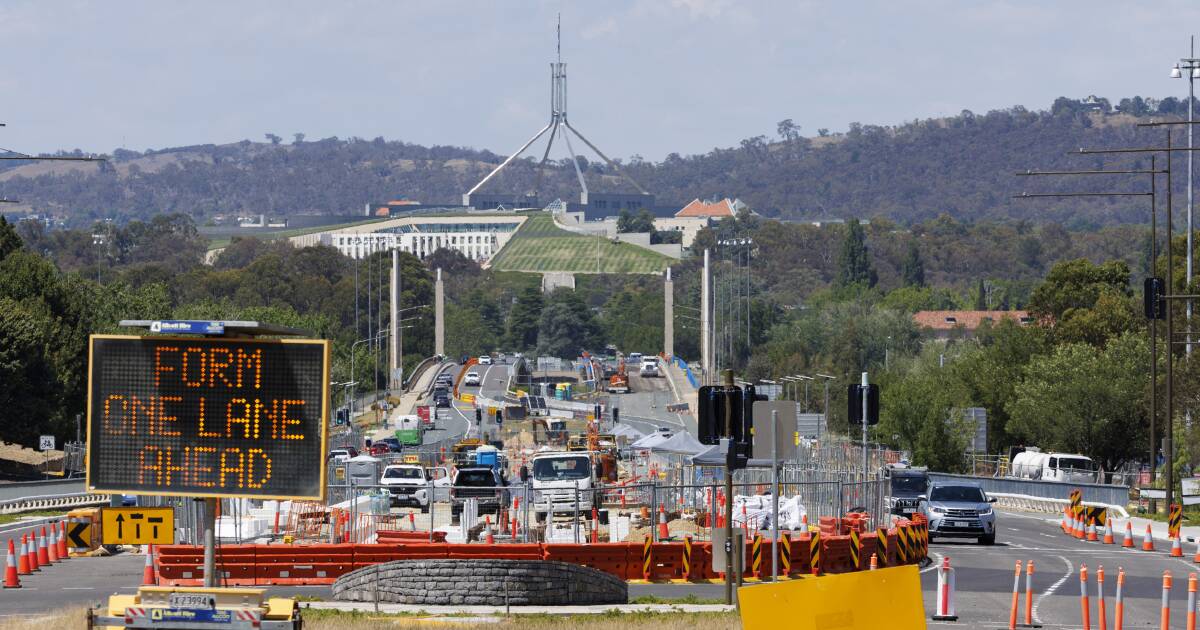
Australian Treasurer Jim Chalmers warned that the conflict could lead to inflation exceeding 5%, with oil prices potentially reaching $US120 per barrel. This scenario could significantly impact Australia’s economic growth, with GDP projected to be 0.6% lower by 2027.
Saudi Arabia is also hosting a consultative meeting of foreign ministers from Arab and Islamic countries to discuss regional security and stability. This meeting underscores the broader geopolitical implications of the conflict, which has already seen over 2,000 missile and drone attacks on Gulf states.
As the situation evolves, the international community remains on high alert, with diplomatic efforts and military strategies continuing to shape the region’s future.