


A GoFundMe campaign created to support the daughters of late actor Eric Dane has been temporarily suspended following significant online backlash. The campaign, which aimed to raise funds for Dane’s daughters, Billie Beatrice, 15, and Georgia Geraldine, 14, was met with criticism over the perceived inappropriateness of wealthy individuals seeking public donations.
Eric Dane, known for his role in “Grey’s Anatomy,” passed away on February 19 at the age of 53, after battling ALS (amyotrophic lateral sclerosis). Following his death, friends and family initiated the GoFundMe campaign, initially setting a target of $250,000, which was later increased to $500,000. As of now, the campaign has raised approximately $337,500.
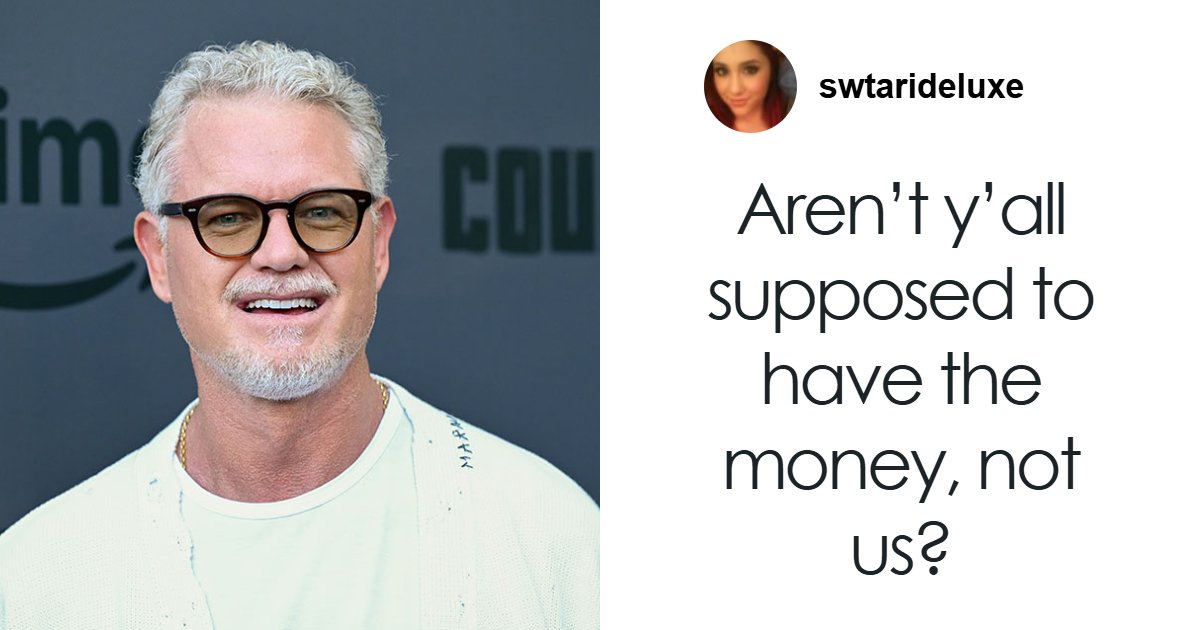
The fundraising page described Dane’s daughters as the “center of his world” and encouraged contributions to provide stability during their difficult time. However, the campaign drew criticism from those questioning why the family of a successful actor needed public financial support. A tweet reflecting this sentiment stated,
“Setting up GoFundMes for millionaires. What a time in history.”
Public Backlash and Celebrity Support
The controversy surrounding the GoFundMe campaign highlights a broader debate about the appropriateness of wealthy individuals turning to crowdfunding. Critics argue that platforms like GoFundMe are intended for those in dire financial need, not for families perceived as having substantial resources. One online commenter questioned,
“Why is this becoming a thing? His net worth was widely estimated at several million dollars.”
Despite the criticism, several celebrities have shown support for the campaign. “Euphoria” creator Sam Levinson and his wife, Ashley Levinson, donated $27,000, while Hailey Bieber contributed $20,000. Actress Kate Walsh, a former co-star of Dane’s, defended the fundraiser, stating that the assumption that actors are invariably wealthy is misguided. She noted,
“A lot of people…are under the microscope that actors are rich, but when they go thru these debilitating illnesses they go thru their funds.”
GoFundMe’s Response and Verification Process
In response to the backlash, GoFundMe temporarily placed the fundraiser under review to ensure the legitimacy of the beneficiaries. A spokesperson for the platform stated,
“Our Trust and Safety team is still looking into this GoFundMe and has reached out to the organizer to gather additional information.”
The platform confirmed that all funds are being securely held during this review process.
After completing its routine checks, GoFundMe announced that the fundraiser had been verified, and the family was added as the beneficiary. The platform emphasized its commitment to ensuring that funds reach the intended recipients, stating,
“GoFundMe’s Trust & Safety team was previously working to gather additional information and help ensure the intended beneficiary was added to the fundraiser.”
Historical Context and Similar Cases
This incident is not isolated, as similar scrutiny has been directed at other high-profile fundraising efforts. Recently, a GoFundMe campaign for the family of actor James Van Der Beek faced comparable criticism. Despite his public financial struggles following a cancer diagnosis, critics questioned the necessity of a fundraiser for a celebrity.
Historically, the use of crowdfunding by wealthy individuals or families has sparked debate about the ethics and intentions behind such campaigns. Critics argue that these efforts can detract from the original purpose of crowdfunding platforms, which is to support those without access to significant financial resources.
Implications and Future Considerations
The controversy surrounding the GoFundMe campaign for Eric Dane’s daughters underscores the complexities of public perception and the ethical considerations of crowdfunding. As the landscape of online fundraising continues to evolve, platforms like GoFundMe may face increasing pressure to clarify their guidelines and ensure that campaigns align with the intended use of their services.
For the families involved, these campaigns highlight the financial challenges that can accompany serious health conditions, even for those perceived as affluent. As public discourse around wealth and philanthropy continues, the conversation may prompt a reevaluation of how crowdfunding is utilized by individuals across different socioeconomic backgrounds.
As the situation develops, it remains to be seen how public perceptions of wealth and need will influence the future of crowdfunding for high-profile individuals and their families.