



Environment Minister Murray Watt has firmly rejected the Coalition’s assertions that the recent overhaul of environmental laws will lead to increased electricity prices. Speaking on ABC Radio National Breakfast, Watt emphasized that the new laws are designed to expedite energy projects, which could potentially stabilize power prices.
“I’m not going to make promises about what that means for bringing power prices down, but obviously, if we can have more supply in the system more quickly, then that is going to help moderate prices,” Watt stated.
Political Tensions and Legislative Challenges
The overhaul of environmental laws has been a contentious issue, with Opposition Leader Sussan Ley criticized for her party’s inability to negotiate a deal with Labor. Watt expressed frustration over the numerous failed attempts to reach an agreement with the Coalition, stating, “They’ve got no one to blame but themselves if they’re unhappy about a deal being struck with the Greens.”
To secure the Greens’ support, Labor agreed to include “high-risk land clearing” and regional forest agreements in the national laws, while exempting coal and gas projects from fast-tracked approvals. Despite these concessions, business groups such as the Business Council of Australia and the Minerals Council have expressed concerns about the potential risks and ambiguities in the revised legislation.
“What that means is that we have ended up at that balanced package that I’ve been talking about for months, where we’ve actually delivered wins for both the environment and for business,” Watt explained.
Economic Implications and Regulatory Measures
Meanwhile, the Australian Prudential Regulation Authority (APRA) has introduced limits on high debt-to-income loans, a move supported by Housing Minister Clare O’Neil. This regulatory action aims to curb the growth of high-risk lending practices, particularly among property investors.
“APRA just wants to put a signal out to say they don’t want to see consistent, ongoing and fast growth in that kind of lending,” O’Neil told ABC News Breakfast. She reassured that the concerns are primarily focused on investors and are not expected to impact the government’s 5 percent deposit scheme.
Additionally, the passage of the new environment protection legislation is anticipated to accelerate housing project approvals, with the laws expected to take effect in 2026 and 2027. O’Neil highlighted the potential for significant reductions in approval times, stating, “We’re talking about big housing developments that were taking years to approve down to months and sometimes even weeks.”
Energy Rebates and International Relations
As the federal government’s electricity rebates approach their expiration, Health Minister Mark Butler acknowledged the need for a strategic exit. “Everyone recognises they can’t go on forever,” Butler remarked, referencing the global energy price hikes following the Ukraine invasion.
On the international front, Australia’s designation of Iran’s Islamic Revolutionary Guard Corps (IRGC) as a state sponsor of terrorism has drawn sharp criticism from Tehran. The move follows revelations of Iranian involvement in antisemitic attacks in Australia, leading to the expulsion of Iran’s ambassador and marking a significant diplomatic rift.
Political Maneuvering and Future Prospects
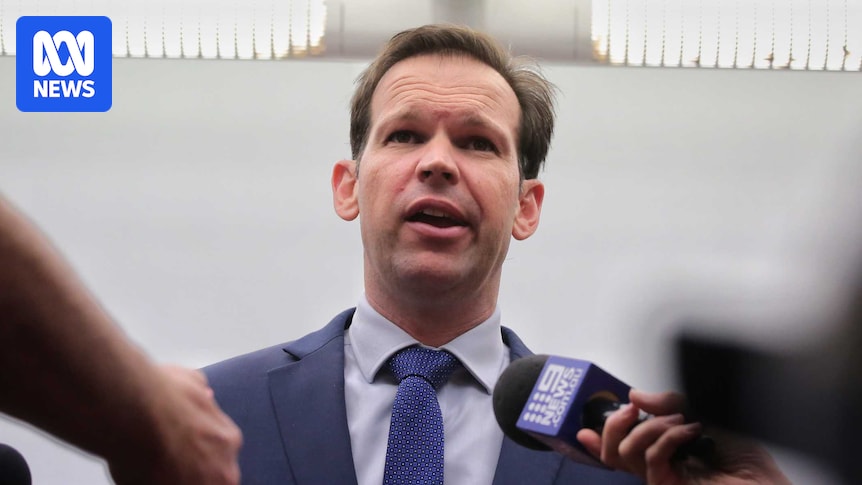
In domestic politics, Nationals senator Matt Canavan has attempted to downplay Barnaby Joyce’s departure from the party, describing it as “not the tragedy a lot of us feared.” Canavan expressed hope that Joyce might rejoin the Nationals, suggesting that he remains a “free agent” in political terms.
“He hasn’t signed up a contract with a new team. So to my mind, he’s a free agent and I’d still like to have him on our team,” Canavan stated, indicating a potential reconciliation over the summer break.
As the political landscape continues to shift, the passage of the environmental protection legislation marks a critical juncture for the government, with implications for both the economy and the environment. The coming weeks will be pivotal as stakeholders assess the impact of these legislative changes and navigate the evolving political dynamics.