




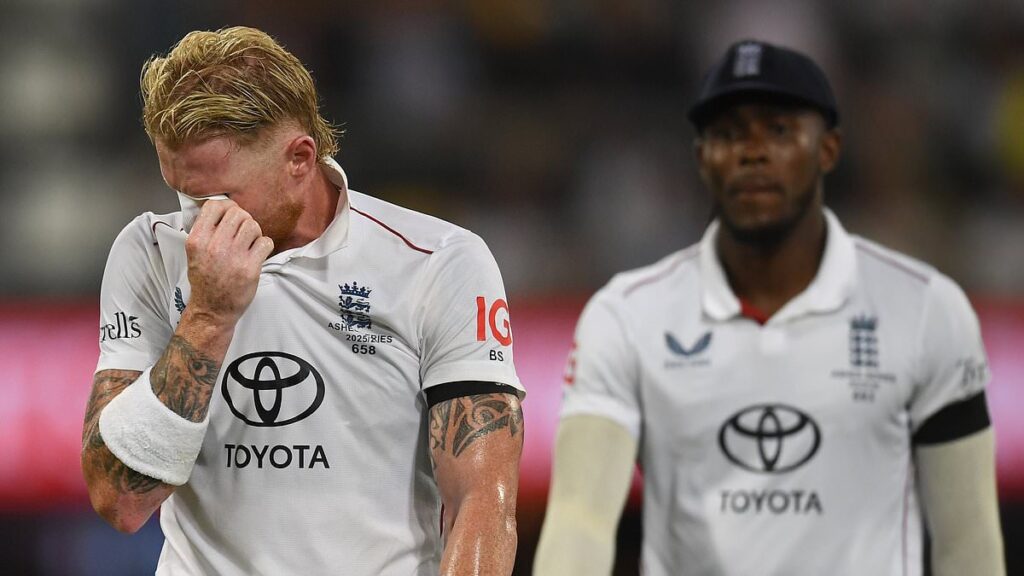
It won’t be much consolation to Ben Stokes or anyone connected with the current England team that just lost the second Test at the Gabba. Yet, when it comes to tours going wrong in Australia, I have been in worse situations than this. As someone who has been down 2-0 plenty of times in away Ashes series, I know exactly how the England players will be feeling now. They are two matches adrift and staring down the barrel of a series defeat as they prepare to head to Adelaide for the third Test.
The photographs of the players on the beach at the resort of Noosa have sparked familiar outrage. While understandable, it is crucial for the team to take a breather. The Australian media is relentless, often more gleeful about England’s failings than their own successes. The scrutiny is intense, and the players may feel under siege, but stepping away from the cricket bubble can be more beneficial than hiding away in hotel rooms.
Lessons from Past Tours
Reflecting on past tours, particularly the 2013-14 series, offers valuable lessons. During that tour, everything that could go wrong did. The team was edging towards decline, and internal issues like the Kevin Pietersen-Andrew Strauss saga added to the turmoil. Jonathan Trott’s early departure due to mental health struggles and Graeme Swann’s retirement mid-tour compounded the challenges. It felt like a losing battle, with Australia’s Mitchell Johnson in formidable form, everything went downhill quickly.
While the current tour has not reached that point, the signs are worrying. The poor bowling performance in Brisbane was surprising. The seamers bowled too short and wide, playing to Australian strengths and allowing too many runs behind square. This indicates a lack of accuracy and missed opportunities on a wicket with exploitable cracks.
The Leadership Void in England’s Bowling Attack
There are broader issues with England’s bowling attack, particularly a lack of communication and leadership. It appears that Stokes is shouldering the burden alone, with little input from the rest of the bowling group. Effective communication and collective strategizing are essential for success, but this seems absent.
Stokes needs support from his vice-captain, Harry Brook, and the rest of the team. However, the current bowlers, including Gus Atkinson, Brydon Carse, and Jofra Archer, are not naturally vocal leaders. This absence of a “captain of the bowlers” is evident, and the team suffers from it.
Missed Opportunities and Future Prospects
England’s first-innings total in Brisbane was slightly under par, and the bowlers failed to capitalize on early opportunities. A timid start, characterized by deliveries down the leg side and reduced pace, led to a flat fielding group. The absence of a leader in the attack is glaring, and Stokes cannot do it all alone.
Jofra Archer’s exchange with Steve Smith highlighted this issue. Archer bowled his fastest spell when the game was nearly lost, prompting Smith to quip,
“You bowl fast when there’s nothing going on, champion,”
a sentiment echoed by many. Archer’s pace and energy are needed from the outset to lift the team and apply pressure on the opposition.
Looking Ahead: The Adelaide Test
Despite the setbacks, hope remains. The loss of Mark Wood to injury is a significant blow, but England must approach the Adelaide Test with renewed vigor. As Matt Prior noted, if you don’t want to follow Stokes into battle, then you’re playing the wrong game. Stokes has the potential to turn things around, but the team must leave everything on the field in Adelaide, treating it as the deciding Test in the Ashes.
England’s bowlers need to bring energy and aggression from the first ball, setting the tone and supporting Stokes in his leadership role. The upcoming Test is critical, and the team must play as if it is 0-0, with everything to fight for.