
A new report has surfaced, casting a shadow over the England cricket team’s conduct during their recent Ashes tour, which ended in a disappointing 4-1 series loss to Australia. The England and Wales Cricket Board (ECB) has responded by initiating an immediate and thorough review of the team’s performance and behavior.
Following the series, ECB Chief Executive Richard Gould expressed his discontent, stating the failure to reclaim the Ashes was “deeply disappointing.” The scrutiny now extends beyond the field, examining the team’s preparations, coaching strategies, and off-field activities.
Allegations of Misconduct and Lax Preparations
According to a detailed report by The Telegraph, authored by Nick Hoult and Will Macpherson, England’s tour was marred by incidents that highlighted a lack of discipline and foresight. One anecdote described an incident involving fast bowler Brydon Carse, who inadvertently scattered thousands of dollars in a Perth cafe, leaving patrons and journalists scrambling to return the money. The report suggests this incident symbolized a broader sense of carelessness within the team.
Further claims include:
- Senior England officials expressed early concerns about inadequate planning for the Ashes.
- A senior player reportedly arrived in Perth ahead of schedule due to being overweight.
- Some players were seen frequently visiting casino tables in Perth, often appearing “well-oiled.”
Internal Strife and Leadership Challenges
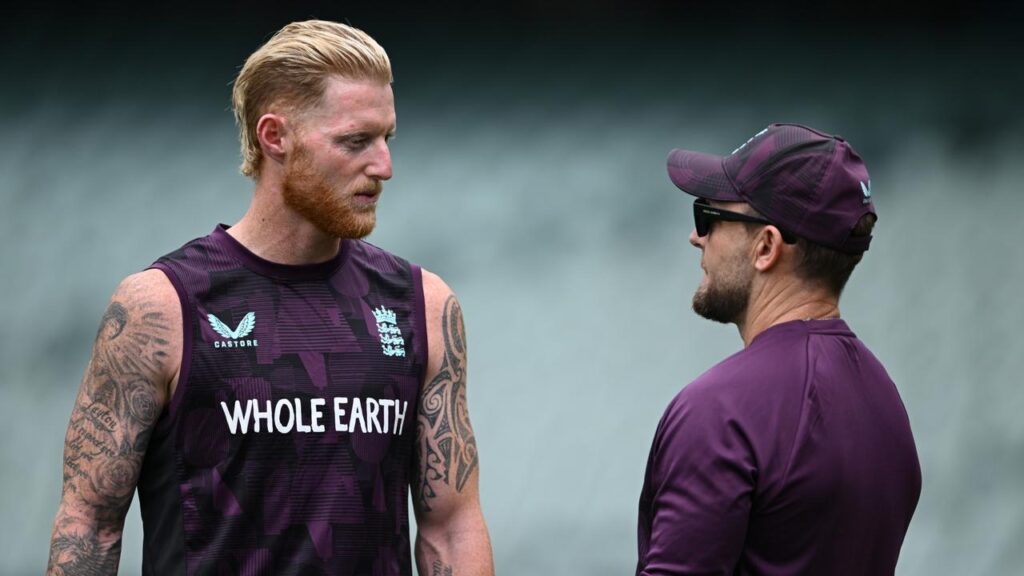
The report also highlights tensions between captain Ben Stokes and head coach Brendon McCullum. Disagreements arose over whether additional training was needed after the first Test concluded prematurely. McCullum’s visible frustration during the second Test in Brisbane, as Australia’s tail-end batsmen extended their innings, was noted as a sign of discord.
As England faced defeat at the Gabba, the atmosphere reportedly grew tense, with “terse words exchanged” among team members. Following the loss of the third Test in Adelaide, Stokes’ request for players to avoid nightlife was not heeded by all, with at least one player seen out late.
Implications for Leadership and Future Prospects
While Stokes’ position as captain appears secure, the roles of Rob Key, head of cricket, and McCullum are under scrutiny. British media, including the BBC, suggest that both may retain their positions to demonstrate their ability to rectify the team’s issues.
Looking ahead, England’s next Test match is scheduled for June against New Zealand. Before that, the team faces the T20 World Cup in India and Sri Lanka, with McCullum expected to lead the squad, captained by Harry Brook.
Historical Context and Expert Opinions
The current situation draws parallels to previous tours where England’s off-field behavior overshadowed their on-field performance. Cricket analysts emphasize the need for a cultural shift within the team, prioritizing discipline and strategic planning.
Cricket historian Dr. John Smith notes,
“England’s cricketing history is littered with instances where off-field distractions have led to on-field failures. This review by the ECB is an opportunity to address systemic issues and instill a sense of professionalism.”
As the ECB’s review unfolds, the cricketing world watches closely, eager to see if England can rebound from this setback and restore their reputation on the global stage.