




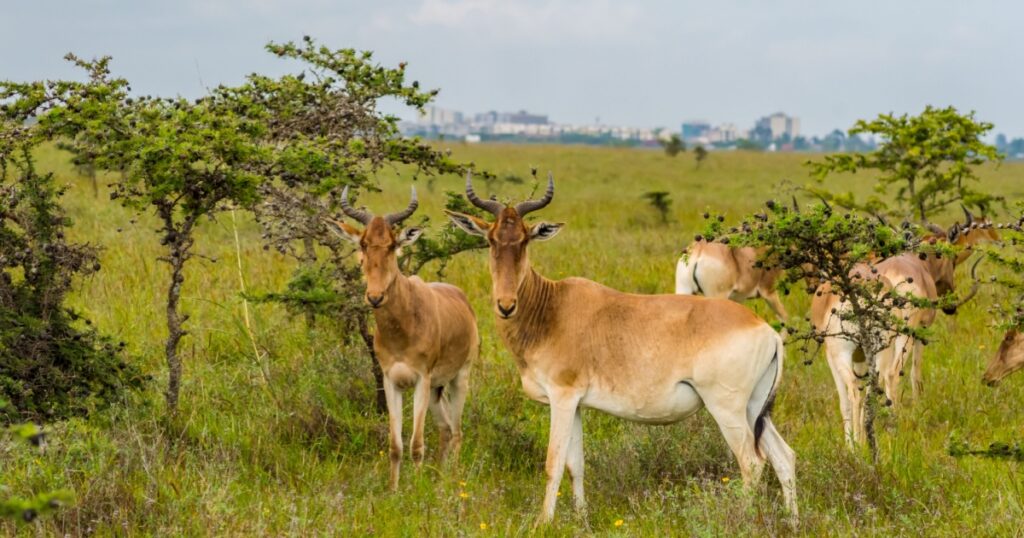
In the arid landscapes near the Kenya-Somalia border, a unique species of antelope known as the hirola is teetering on the brink of extinction. Commonly referred to as the “four-eyed” antelope due to its distinctive preorbital glands that resemble an extra set of eyes, the hirola is one of the world’s most critically endangered antelope species, with fewer than 500 individuals remaining in the wild.
The plight of the hirola is a stark reminder of the challenges faced by many wildlife species in the modern era. Once thriving in large numbers, the hirola population has been decimated over the past century due to a combination of disease, habitat loss, and predation. The most significant blow came in the 1980s when an outbreak of rinderpest, a highly contagious viral disease, swept through the region.
The Impact of Rinderpest
Rinderpest, also known as cattle plague, had a devastating impact on the hirola population. According to the Hirola Conservation Program (HCP), the disease causes severe symptoms such as fever, discharge from the eyes and nose, diarrhea, dehydration, and mouth lesions. Infected animals often succumb to the illness within 10-15 days. During the 1980s outbreak, it is estimated that rinderpest wiped out between 85% and 90% of the hirola population.
“Rinderpest eradication is a monumental achievement, marking it as only the second viral disease to be completely eradicated by human efforts, following smallpox.”
The eradication of rinderpest is a significant milestone in veterinary science and offers a glimmer of hope for the hirola’s survival. However, the species continues to face numerous threats, including predation, competition with livestock, and the ongoing loss of its grassland habitat.
Conservation Efforts and Community Involvement
In response to these challenges, the Hirola Conservation Program has launched several initiatives aimed at preserving and restoring the hirola’s natural habitat. One of the key strategies involves collaborating with local communities and governments to designate over one million acres of land as protected habitat for the hirola.
These efforts are complemented by initiatives to restore grasslands, which are essential for the hirola’s survival. The program also focuses on educating local communities about the importance of conservation and sustainable land management practices.
“With a little luck and continued conservation efforts, the four-eyed antelope may once again thrive in its native habitat.”
Looking Ahead: The Future of the Hirola
The conservation of the hirola is not just about saving a single species; it represents a broader commitment to preserving biodiversity and maintaining ecological balance in the region. The success of these efforts hinges on the continued collaboration between conservationists, local communities, and governments.
Experts emphasize that while the road to recovery for the hirola is fraught with challenges, the eradication of rinderpest and ongoing habitat restoration efforts provide a foundation for hope. The next steps involve monitoring the population, addressing human-wildlife conflict, and ensuring sustainable development practices in the region.
The story of the hirola serves as a poignant reminder of the delicate balance between nature and human activity. As conservationists and communities work tirelessly to save this remarkable species, the world watches, hopeful that the hirola will once again roam the grasslands in greater numbers.