

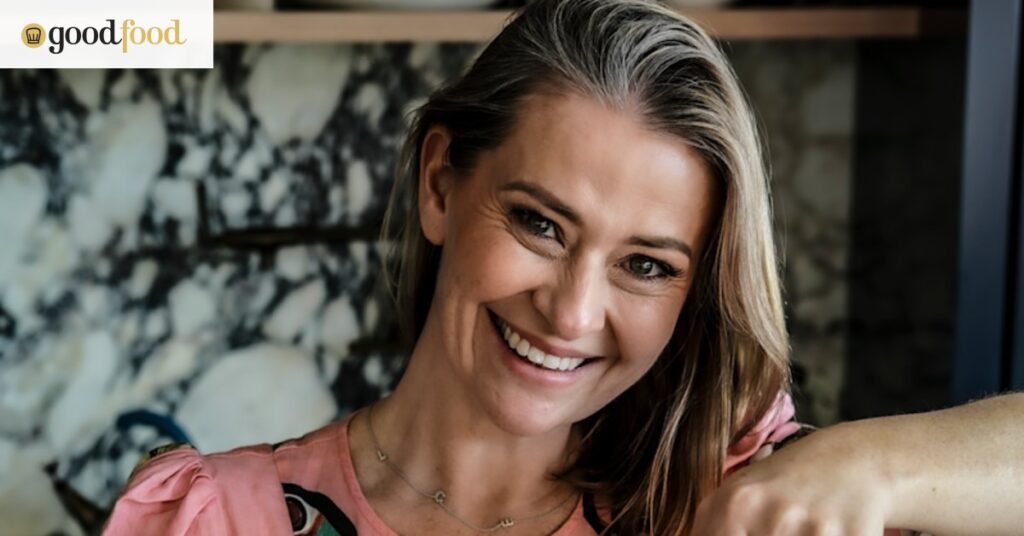
Recipe writer, stylist, and photographer Katrina Meynink has a unique talent for transforming even the most mundane dishes into visual masterpieces. On November 6, 2025, she shared her insights on achieving maximum flavor, color, and crunch without the need for professional tools or extensive time commitments.
Meynink’s approach to food styling is refreshingly accessible, emphasizing that anyone can make their meals look appealing with a few simple adjustments. “We eat with our eyes first,” she explains. “When food looks good, it just tastes better. It’s science, it’s psychology, it’s the way your brain lights up before your fork even hits the plate.”
Breaking Down the Myths of Perfection
One of Meynink’s core beliefs is that perfection in food styling is not only unnecessary but can be counterproductive. “Perfection is awful,” she states. “It’s sterile, restrictive, and stressful.” Instead, she advocates for a style she describes as “controlled chaos,” where a little intentional mess can go a long way.
For Meynink, the key is in the details: “Roughly tear your herbs, add condiments with a carefree drizzle. It’s all about placing things on the plate with purposeful recklessness and generosity.” This approach ensures that the food looks inviting and authentic, rather than overly polished and artificial.
The Importance of Color and Texture
Color plays a pivotal role in Meynink’s styling philosophy. “Nature is a show-off, and produce is her medium,” she says. Contrasting colors can elevate a dish from ordinary to extraordinary. For example, adding a handful of chopped herbs or a few pomegranate seeds to a beige or brown dish can create visual interest and appeal.
Beyond color, texture is another crucial element. “Great styling isn’t just about how things look. It’s about how they feel,” Meynink advises. She suggests pairing textures such as a soft pillow of whipped feta with crisp-edged roast vegetables or silky pasta with toasted breadcrumbs to create a dynamic eating experience.
“My mantra is always: drizzles, dollops, and crunch. This is the winning trifecta. Something saucy, something creamy, something with bite.”
The Role of Plates and Composition
According to Meynink, the plate is an integral part of the storytelling in food presentation. “You can cook the most delicious stew, but serve it on your old chipped Anko plates and it loses some of its magic,” she notes. Choosing the right plate can enhance the visual appeal of a dish, with lighter foods popping on darker plates and hearty dishes benefiting from a white or cream base.
Composition is also key. “Height works. Flat food is sad food,” Meynink asserts. She encourages home cooks to stack, layer, or lean their dishes to add dimension and interest. The rule of odds—using odd numbers of items like three roasted carrots or five radish slices—can also help create a focal point and balance the composition.
Tools for Real-World Plating
Meynink offers a simple toolkit for those looking to enhance their food styling at home:
- A good spoon for swooshing and dolloping
- A Microplane for adding lemon zest
- A little bowl of flaky salt, such as Maldon
- A decent flat plate or bowl, ideally without chips
- A sense of humor
With these tools and tips, Meynink encourages home cooks to embrace their creativity and have fun with food styling. “Now go forth and scatter sesame seeds with flair. Your dinner deserves it,” she concludes.
Katrina Meynink is not only a cookbook author but also a columnist for Good Food, where she continues to inspire readers with her culinary expertise and approachable style. Connect with her insights and tips on Twitter.