

“Mission accomplished: we got him,” began the triumphant tweet from Mexico’s then-president Enrique Peña Nieto. “I want to inform the Mexican people that Joaquín Guzmán Loera has been arrested.”
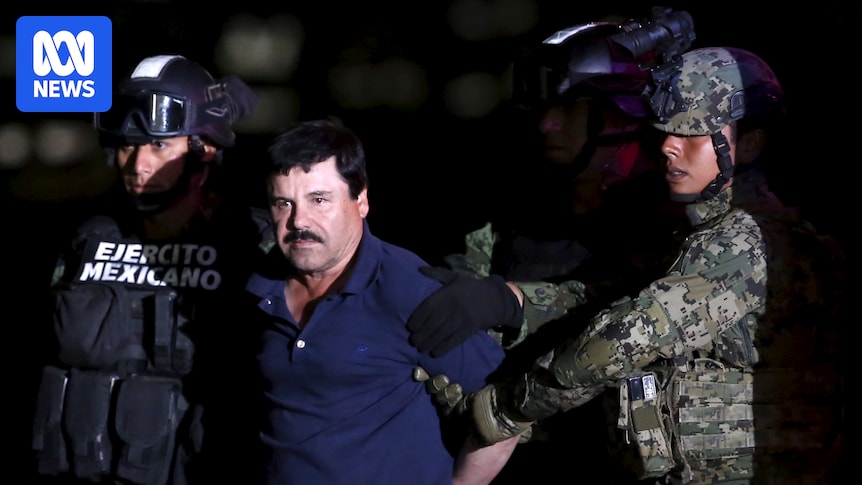
On January 8, 2016, a joint United States and Mexican military operation culminated in a deadly firefight and the recapture of Joaquín “El Chapo” Guzmán Loera, the world’s most notorious drug trafficker, in Los Mochis, Sinaloa, in north-west Mexico. This dramatic arrest marked a significant victory in the ongoing battle against drug cartels.
The Manhunt and Capture
The operation that led to El Chapo’s capture was a meticulously planned joint effort between U.S. and Mexican forces. After a tip-off, marines from the Mexican navy raided a house in Los Mochis, resulting in a violent confrontation that left five of Guzmán’s guards dead. Guzmán attempted to escape through a manhole but was ultimately apprehended.
His capture was a critical moment for both countries, symbolizing a rare triumph in the fight against the powerful Sinaloa cartel. Yet, experts caution that while Guzmán’s arrest was a symbolic victory, it did not dismantle the extensive drug network he helped build.
A Legacy of Crime and Escape
El Chapo’s criminal career is marked by audacious escapes and a ruthless reign over the drug trade. In July 2015, he famously escaped from a maximum-security prison through a tunnel that stretched 1.5 kilometers from the prison’s shower area to a nearby construction site. This was his second escape; in 2001, he bribed guards to smuggle him out in a laundry cart.
During his years on the run, Guzmán re-established himself as a top-ranking member of the Sinaloa cartel. Despite numerous attempts by authorities to capture him, he managed to evade arrest, often slipping away just before raids. His ability to elude capture became legendary, further cementing his status as a criminal mastermind.
The Trial and Conviction
Following his capture, Guzmán was extradited to the United States, where he faced a litany of charges, including money laundering, conspiracy to commit murder, and drug trafficking. U.S. prosecutors described him as a “ruthless and bloodthirsty leader” who amassed over $12 billion through his criminal enterprise.
“The long road that led ‘El Chapo’ Guzmán from the mountains of Sinaloa to the courthouse was paved with death, drugs, and destruction, but it ended today with justice,” Assistant Attorney General Brian A. Benczkowski stated on the day of Guzmán’s sentencing.
In 2019, at the age of 62, Guzmán was convicted on all 10 charges, including engaging in a continuing criminal enterprise, and sentenced to life in prison. The trial featured extensive evidence, from wiretaps to testimonies from former associates, painting a comprehensive picture of his criminal activities.
Implications for the Drug Trade
While Guzmán’s conviction was hailed as a victory for law enforcement, experts like journalist Patrick Radden Keefe caution against viewing it as a turning point in the drug war. “The conviction of El Chapo won’t end the drug war, or even the Sinaloa cartel,” Radden Keefe wrote. “Far from it. But, by bringing an infamously uncatchable mass murderer to justice and making him answer, finally, for his many crimes, the verdict represents an important symbolic victory for our beleaguered notions of the rule of law.”
The Sinaloa cartel remains a formidable force in the global drug trade, with operations spanning continents. The arrest of El Chapo, while significant, is only one battle in a much larger and ongoing war against drug trafficking.
As authorities continue to dismantle cartel networks, the legacy of Joaquín “El Chapo” Guzmán serves as a reminder of the challenges and complexities involved in combating organized crime. The fight against drug cartels is far from over, but the capture and conviction of one of its most infamous leaders is a testament to the relentless pursuit of justice.