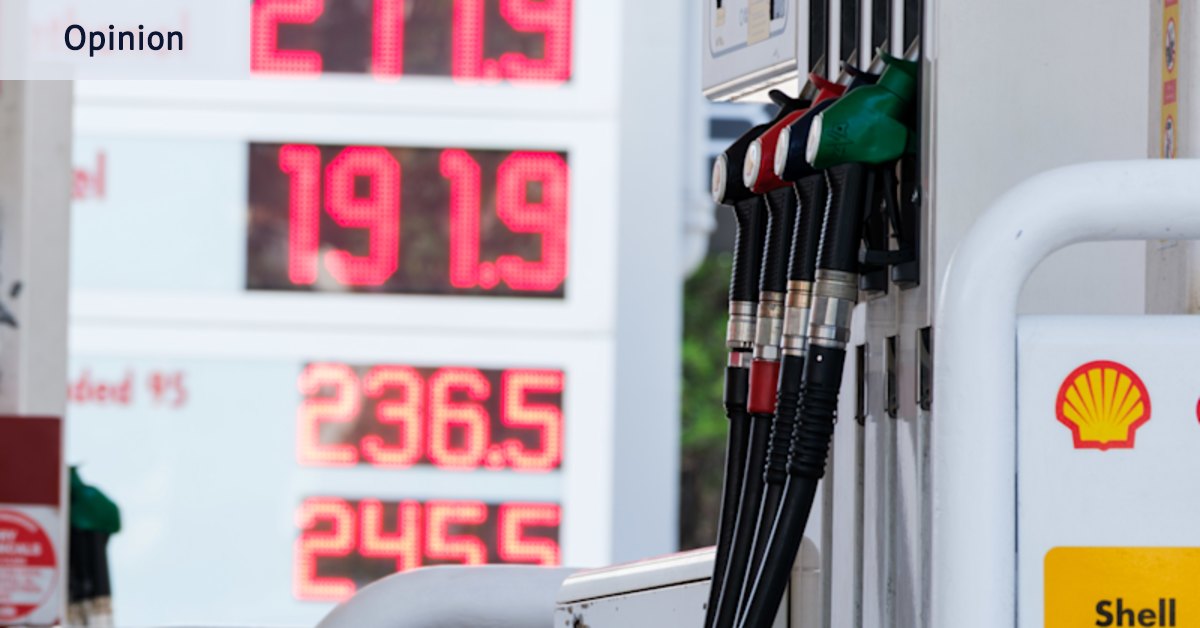




On the heels of rising petrol costs, Australian homeowners may soon face another financial burden: an interest rate hike. This potential increase could be confirmed as early as this week, with market analysts placing a 65% probability on a rate rise announcement this Tuesday. All four major banks in the country are aligning with this prediction.
If realized, this would mark the second consecutive interest rate hike after the Reserve Bank of Australia (RBA) increased rates by 0.25 percentage points to 3.85% last month. Speculation is rife that the RBA, under the leadership of Governor Michele Bullock, might further raise rates in May.
The Inflation Conundrum
The main driver behind the anticipated rate hikes is the persistently high inflation rate. However, the recent surge in oil prices, exacerbated by the ongoing conflict involving the US and Israel in Iran, has further complicated the economic landscape. This oil shock has arrived at a critical juncture for Australia’s inflation, which was already above the RBA’s target band of 2% to 3%.
Economists have noted recent comments from RBA Deputy Governor Andrew Hauser, who acknowledged the “very genuine debate” surrounding a potential rate increase. He stated,
“Inflation is too high. Higher prices don’t help that debate. But there are arguments on both sides and I think if ever there was a time when board members will earn their meagre salary, it will be this month.”
Supply-Side Challenges
The war in Iran presents significant challenges for the supply side of the economy, which deals with the production of goods and services. This contrasts with the demand side, primarily driven by household spending. The RBA faces a dilemma: while inflation is a pressing issue, the rapid succession of rate hikes may not be the most effective response to this supply-side shock.
Historically, the RBA has opted to “look through” temporary inflation spikes caused by supply disruptions, such as those from severe weather events. Raising interest rates does not address the root causes of these disruptions and instead places additional strain on households with mortgages.
The Impact of Oil Prices
Oil price fluctuations can destabilize economies while simultaneously driving up inflation. According to AMP, the recent oil surge could cost households an additional $14 per week or $730 annually on fuel. This added expense reduces disposable income, forcing consumers to cut back on other spending.
Given the high level of global uncertainty, some analysts caution against hastily implementing rate hikes. This could be the most severe oil crisis in 50 years, and its full impact on businesses and the economy remains uncertain. A more measured approach, waiting until the situation stabilizes, might be prudent.
Future Implications
Despite the RBA’s limited tools for combating inflation, the central bank remains wary of inflation becoming entrenched. The recent energy market chaos, triggered by geopolitical tensions, has heightened these concerns. The RBA’s belief that the economy has limited “spare capacity” adds to its apprehension.
Looking ahead, the RBA may still opt for a rate hike, potentially in May, as it navigates these complex economic dynamics. However, the decision will likely weigh the immediate need to curb inflation against the broader implications of further destabilizing the economy.
As Australia grapples with these challenges, the RBA’s actions will be closely watched by economists and policymakers alike, as they seek to balance inflation control with economic stability.