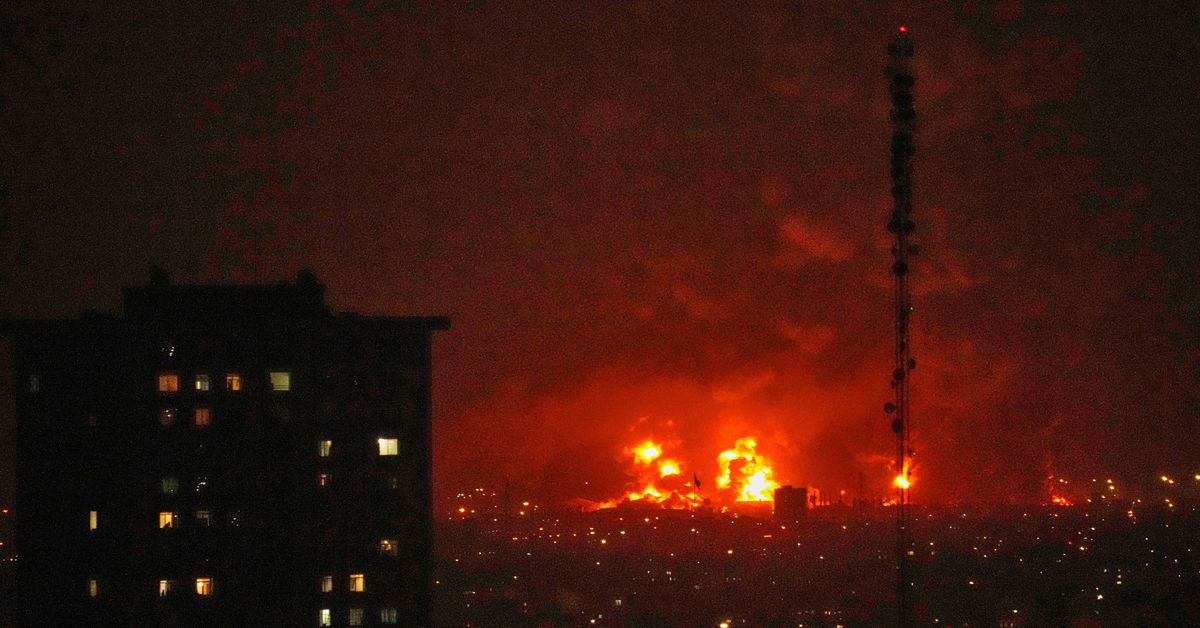
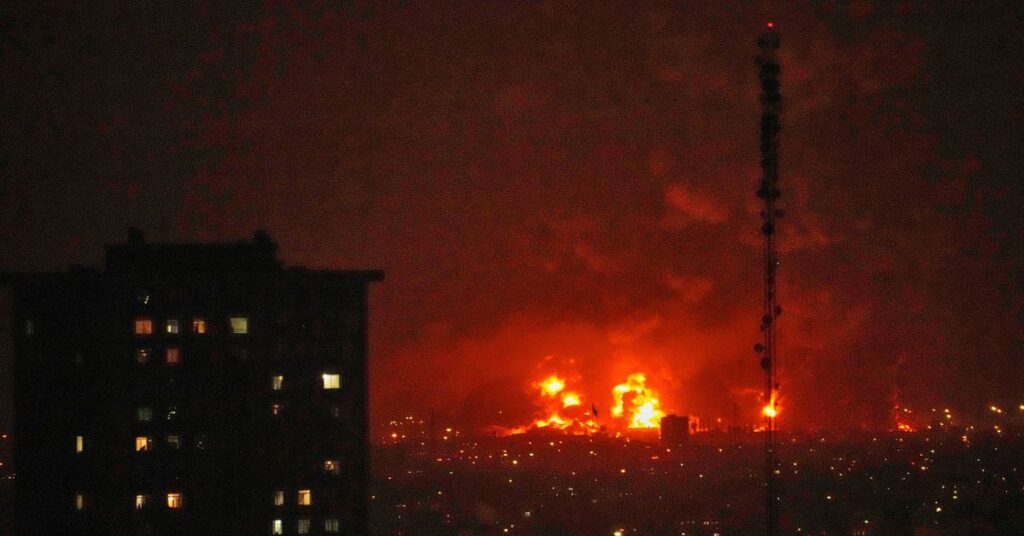
Think petrol prices are bad now? It’s entirely possible the worst is yet to come if a significant escalation occurs in the ongoing conflict in Iran. Westpac has updated its economic modelling to assess the potential impacts of the conflict, particularly focusing on energy costs.
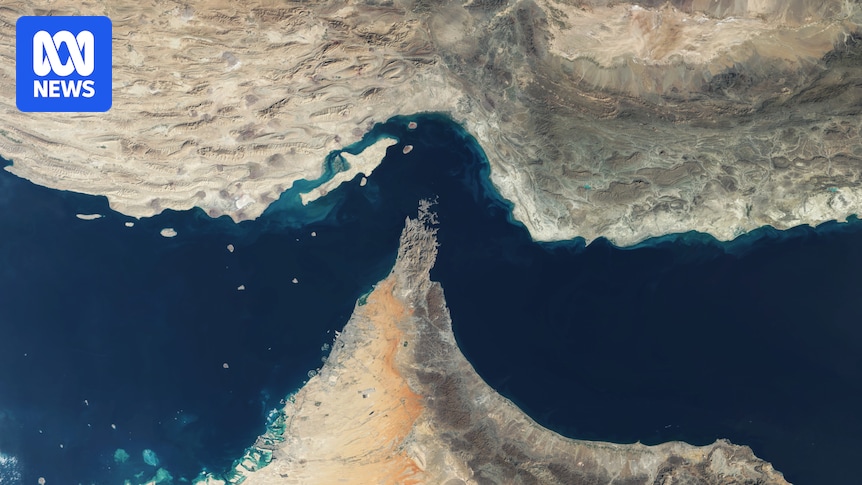
The big four bank’s baseline scenario, which it deems most likely, predicts the war will last about a month, with shipping through the Strait of Hormuz taking an additional month to return to normal. If this scenario unfolds, Westpac forecasts oil prices will surge to $110 per barrel, averaging $90 between April and June. This would have a ripple effect on Australian motorists and cause a 0.1 percentage point dip in economic growth.
“Petrol and diesel prices are likely to rise by more than the direct pass-through from higher crude oil prices alone,” said Sian Fenner, Westpac’s head of business and industry economics. “As a result, we expect retail petrol and diesel prices to average around $2.02/litre and $2.50/litre respectively.”
Current Economic Conditions and Projections
Considering that Australian petrol and diesel prices averaged 219.5 and 245.6 cents per litre last week, and Brent crude is currently above $100 a barrel, the projected impact seems moderate for what the International Energy Agency has termed the worst oil supply shock in global history. However, the uncertainty surrounding the duration of the conflict adds to the volatility.
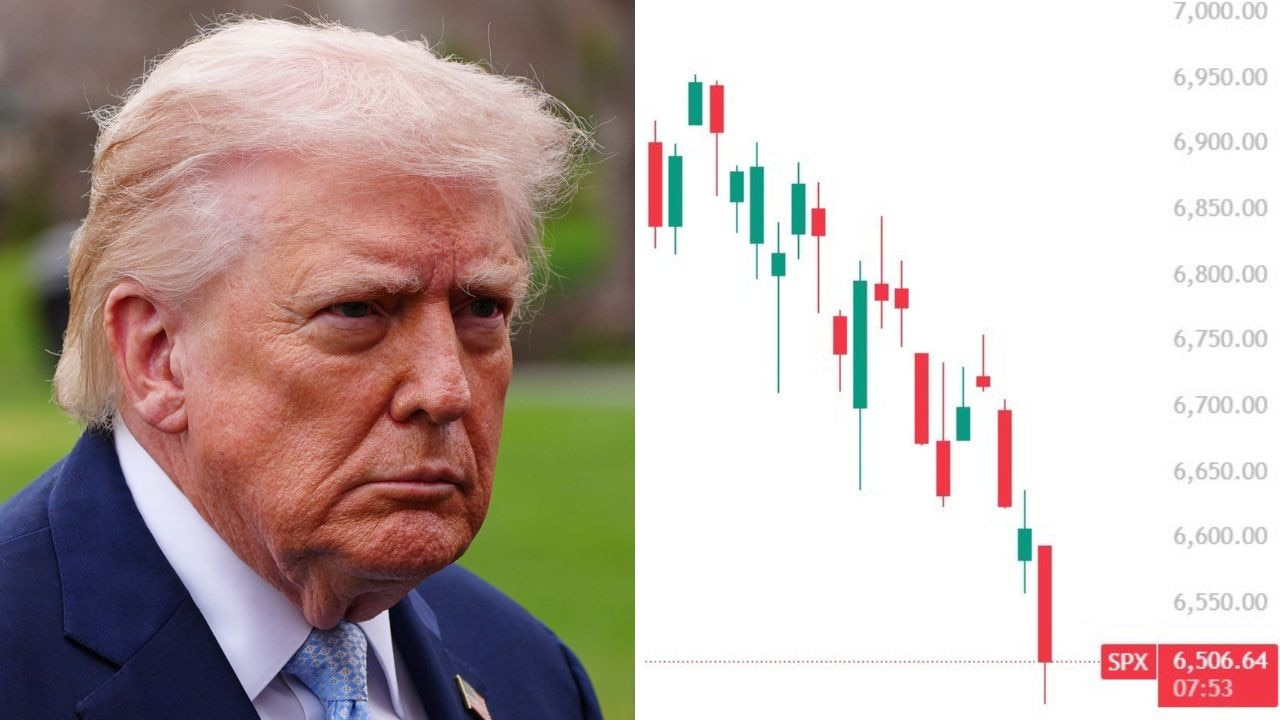
US President Donald Trump’s inconsistent statements regarding the conflict’s timeframe, alongside his claims of victory while seeking allied support to reopen the Strait of Hormuz, have further unsettled the markets. Fenner warns of a “material risk of a more extensive and prolonged disruption,” with Westpac’s alternative scenario extending the conflict to three months.
Potential for Greater Economic Impact
If the conflict extends, the economic repercussions could be severe. Westpac’s alternative scenario predicts oil prices could average $130 per barrel in the second quarter, peaking at $200. This would mean Australian drivers could face petrol prices exceeding $3 per litre in the coming months.
Underlying inflation would remain above the Reserve Bank’s target until well into 2027, and Australia’s overall economic growth could be reduced by half a percentage point.
Fenner’s research note concludes with a stark warning: the situation could worsen if energy infrastructure suffers permanent damage. “This scenario assumes no significant damage to oil and LNG production and freight facilities,” she wrote. “A permanent loss of supply would prolong the cost to the real economy and could trigger a financial markets sell-off, amplifying the negative shock to the global economy and complicating policy responses.”
Historical Context and Future Implications
The current situation echoes past geopolitical tensions that have led to economic turmoil. The 1973 oil crisis, for instance, saw oil prices quadruple, causing inflation and recession in many Western countries. The potential disruption in the Strait of Hormuz, a critical chokepoint for global oil transport, could have similar far-reaching effects.
As the world watches the developments in Iran, the economic implications are being closely monitored by governments and financial institutions. The situation underscores the interconnectedness of global economies and the vulnerability of energy-dependent nations to geopolitical conflicts.
The coming weeks will be crucial in determining the trajectory of the conflict and its economic fallout. Policymakers and businesses are advised to prepare for various scenarios, ensuring resilience in the face of potential supply chain disruptions and price volatility.
Stay informed with the latest updates by following our news platform across all channels. Download the 9NEWS App for real-time alerts and exclusive stories.