
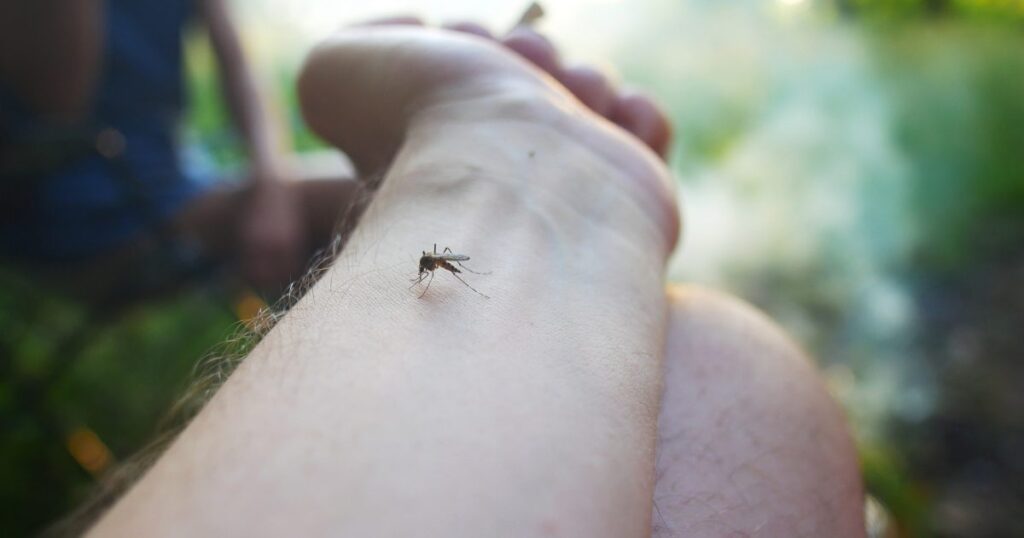
The detection of two mosquito-borne viruses earlier than expected this season has prompted a warning from health authorities in New South Wales (NSW). Residents are being urged to get vaccinated and take extra precautions to protect themselves from mosquito bites. The first detection of the Japanese encephalitis (JE) virus in mosquitoes for the 2025-26 summer has raised concerns among health experts, with the risk anticipated to increase in the coming weeks and months.
NSW Health’s Director of Health Protection, Stephen Conaty, emphasized the importance of vigilance, stating, “Mosquito numbers will likely increase with warmer weather, and we remind everyone in NSW to protect themselves against mosquito bites, which can cause diseases such as Japanese encephalitis and Murray Valley encephalitis, and infection with Kunjin virus, Ross River virus, and Barmah Forest virus.”
Rising Concerns and Historical Context
During the 2024-25 season, there were five cases of JE in NSW, resulting in the tragic loss of two lives. While most people infected with JE do not exhibit symptoms, approximately one in every 250 cases results in severe infection, which can lead to neck stiffness, disorientation, tremors, coma, seizures, or paralysis. In the most serious cases, it can cause lifelong neurological complications or even be fatal. Less severe symptoms may include fever, headache, or vomiting five to 15 days after being bitten by infected mosquitoes.
“There is a safe, effective, and free vaccine to protect against Japanese encephalitis (JE),” Dr. Conaty said. “This vaccine is free to anyone who lives or routinely works in these 60 LGAs west of the dividing range and in northern NSW, and for people who work in some other high-risk occupations.”
High-Risk Areas and Vaccination Efforts
The 60 local government areas identified as higher risk include regions such as Albury, Balranald, Berrigan, and Broken Hill, among others. Residents in these areas are strongly encouraged to get vaccinated to protect themselves if cases increase. The vaccine is available through general practitioners, Aboriginal health services, and pharmacists, but it requires two to four weeks to become fully effective.
Those working in high-risk environments, such as piggeries, pork abattoirs, pork rendering plants, or directly with mosquitoes, are also eligible for the free vaccine. This proactive measure aims to curb the spread of the virus and safeguard public health.
Additional Mosquito-Borne Threats
Japanese encephalitis is not the only mosquito-borne virus detected early this season. The Kunjin virus was found in a chicken blood sample in Western NSW last month as part of NSW Health’s routine surveillance. Unlike JE, there are no vaccines or specific treatments for Kunjin virus or other mosquito-transmitted viruses in NSW, making preventive measures crucial.
To reduce the risk of mosquito bites, community members are advised to avoid outdoor activities during peak mosquito times, particularly at dawn and dusk. Wearing light, loose-fitting long-sleeve shirts, long pants, socks, and covered footwear can provide additional protection. Regularly applying repellents containing DEET, picaridin, or oil of lemon eucalyptus is also recommended, ensuring they are safe for children, with most suitable for infants aged three months or older.
“Insecticide sprays, vapor dispensing units, and mosquito coils should also be used, and any items that may collect water such as old tires and empty pots where mosquitoes can breed should be removed,” Dr. Conaty advised.
Community and Health Infrastructure Response
In homes, it is crucial to cover doors and windows with insect screens without gaps. While camping, using a tent with fly screens or sleeping under a mosquito net can further reduce exposure. The health alert underscores the importance of community awareness and proactive measures to prevent the spread of mosquito-borne diseases.
As the situation develops, health authorities will continue to monitor mosquito activity and virus detections, providing updates and guidance to the public. The early detection of these viruses serves as a reminder of the ongoing need for vigilance and preventive action to protect public health in NSW.