




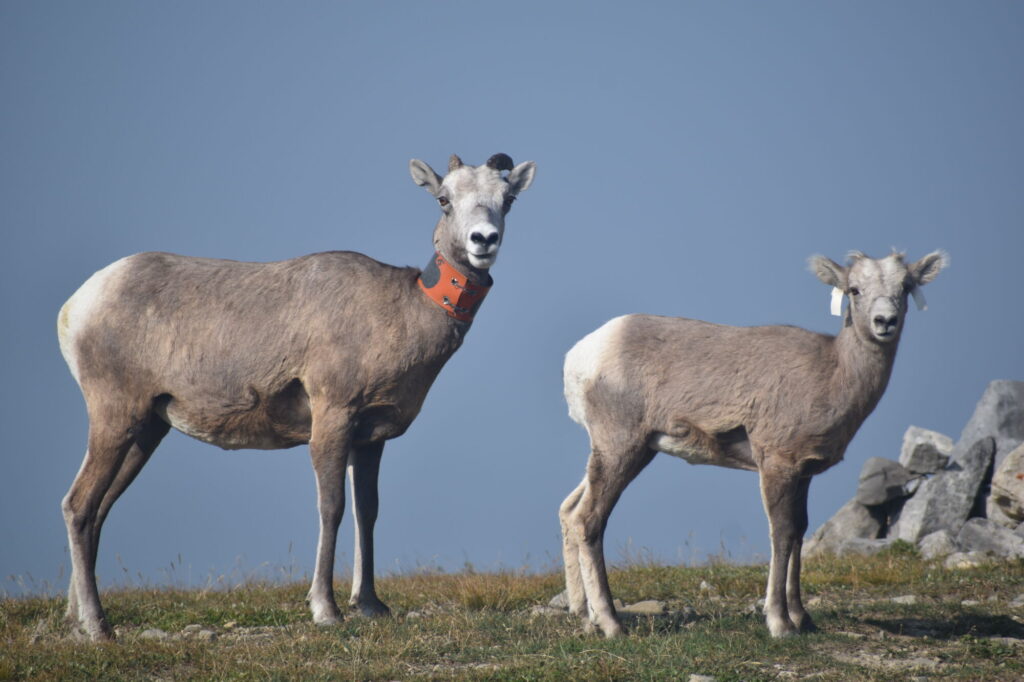
In a groundbreaking study, researchers have demonstrated that DNA-based tools surpass traditional methods in detecting inbreeding risks among wildlife populations. The study, led by biology professor David Coltman at Western University, focused on a wild population of bighorn sheep in Alberta, Canada, revealing that genomic approaches offer a more accurate picture of genetic health than pedigree methods.
The research highlights the importance of genetic rescue, a conservation strategy where new genetic material is introduced to a population to combat inbreeding and enhance genetic diversity. This approach is crucial for small, isolated wildlife populations that suffer from habitat loss and face the threat of extinction.
Advancements in Genetic Monitoring
The study compared genomic and pedigree inbreeding estimates in bighorn sheep from Ram Mountain, Alberta, spanning from 1972 to the present. The DNA-based method proved more responsive to population changes, uncovering trends that traditional pedigree methods missed. This marks the first study to compare these two inbreeding metrics during a genetic rescue.
David Coltman, who also serves at Western’s Centre for Animals on the Move, emphasized the significance of these findings. “Translocations are a critical tool used in bighorn sheep management,” he stated. “These are expensive and risky undertakings, and sometimes they succeed at genetically rescuing a struggling population and sometimes they fail.”
Conservation Translocation Efforts
Conservation translocation involves moving organisms to new locations to bolster declining populations. In North America, wildlife managers frequently relocate bighorn sheep to enhance genetic diversity and stabilize smaller herds. Over the past century, more than 1,500 translocations have been conducted in the United States and Canada.
Coltman explained the implications of the study for conservation management: “Using a snapshot of the genome from a DNA sample, we can now clearly see the genetic consequences of a translocation. We can better monitor populations at risk and post-rescue and plan for more successful translocations in the future.”
Long-Term Research and Its Impact
For over 55 years, graduate students have dedicated their summers to studying bighorn sheep at Ram Mountain. This long-term research has produced invaluable datasets for studies like Coltman’s. Carson Mitchell, the study’s first author and a PhD candidate in Coltman’s lab, highlighted the unexpected findings.
“We tracked changes in inbreeding around a translocation event using the population’s family tree and DNA samples,” Mitchell said. “While we expected the DNA-based approach to be more accurate, we didn’t expect them to tell completely different stories. The pedigree suggested inbreeding was increasing, while the DNA showed it declined after the translocation.”
“Without the DNA data, we could have reached the wrong conclusion about how this population is responding to management,” Mitchell added.
Future Directions in Wildlife Conservation
The study, published in the journal Evolutionary Applications, underscores the critical role of genomic monitoring in conservation efforts. As wildlife populations face increasing pressures from environmental changes and human activities, accurate genetic assessments become vital for effective management strategies.
Looking forward, the integration of DNA tools in conservation practices promises more informed decisions and successful interventions. By leveraging advanced genomic technologies, conservationists can better safeguard biodiversity and ensure the survival of vulnerable species.
The findings from Coltman’s study not only advance scientific understanding but also provide a roadmap for future conservation initiatives, emphasizing the need for continued research and innovation in wildlife management.