




February 21, 2026 — 4:00am
The second season of Disney+’s post-apocalyptic thriller “Paradise” is set to premiere on February 23, offering viewers a gripping narrative that intertwines survival drama with political intrigue. Set in a world ravaged by environmental and nuclear catastrophes, the series explores the lives of 25,000 hand-picked survivors living in an underground bunker, a microcosm of society’s inequities.
Phil Collins’ “Another Day in Paradise” serves as a poignant musical motif throughout the series, encapsulating the themes of inequality and disregard. The song’s juxtaposition of a catchy melody with a somber tale mirrors the show’s exploration of secrets and lies within a community that might represent humanity’s last hope.
Survival Amidst Chaos
For those unfamiliar with the series, “Paradise” begins with a double catastrophe: a massive volcanic eruption in Antarctica followed by a nuclear war, effectively ending civilization as we know it. The survivors, sequestered in a high-tech bunker, must navigate the complexities of maintaining their isolated society while grappling with the ethical dilemmas of exclusion and survival.
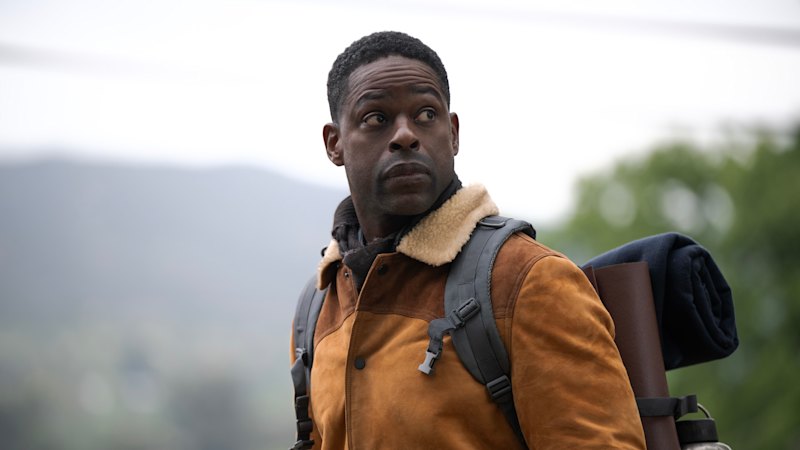
The show’s second season expands its narrative to include the outside world, where Xavier Collins (played by Sterling K. Brown), a former Secret Service agent, embarks on a quest to find his wife, Teri (Enuka Okuma). Despite the odds, he believes she survived the apocalyptic events and is determined to reunite with her.
Internal and External Threats
Inside the bunker, tensions rise as Sam Redmond (Julianne Nicholson), the billionaire financier of the refuge, faces her greatest fear: the possibility of outsiders discovering and infiltrating their haven. The introduction of new survivors poses a threat to the delicate balance of resources, raising questions about who deserves sanctuary.
The bunker, a meticulously preserved slice of suburban America, operates on a self-sustaining system powered by nuclear energy. However, the potential influx of additional survivors threatens to disrupt this fragile ecosystem. This scenario highlights the stark contrast between the privileged few within the bunker and the struggling masses outside.
Character Dynamics and Ethical Dilemmas
As the narrative unfolds, viewers are introduced to a cast of complex characters, each grappling with their moral compass. The late President Cal Bradford (James Marsden), though initially perceived as a figurehead, harbored concerns about the have-and-have-not dichotomy. Meanwhile, Gabriela Torabi (Sarah Shahi), Sam’s personal therapist, becomes increasingly alarmed by the behavior of agent Jane Driscoll (Nicole Brydon Bloom), whose seemingly benign demeanor masks a darker side.
The arrival of Link (Thomas Doherty) and his group of outsiders at the Colorado bunker further complicates the situation. Their demand for entry forces the community to confront the ethical implications of their isolationist policies.
Real-World Parallels and Reflections
“Paradise” distinguishes itself from other sci-fi narratives with its lo-fi approach, drawing comparisons to films like “The Truman Show” rather than high-tech spectacles. By grounding its story in a familiar setting, the series invites viewers to reflect on contemporary issues such as the collusion between big money and politics, resource hoarding, and the consequences of ignoring scientific warnings.
One standout episode features Shaelene Woodley as a former tour guide who survives the apocalypse by taking refuge in Graceland’s basement. This storyline echoes the acclaimed episode of “The Last of Us” and underscores the show’s ability to blend personal stories with broader societal critiques.
“Collusion between big money (tech, mining, and oil) and politicians means a few get to determine the fates of the many. Hoarding of incalculable resources by the privileged means a far greater number on the outside do it tough.”
Looking Ahead
As “Paradise” returns for its second season, it continues to offer a compelling mix of drama and social commentary. By challenging viewers to consider the ethical costs of inaction, the series remains both entertaining and thought-provoking. With its premiere on the horizon, audiences can anticipate a season filled with suspense, moral quandaries, and a deeper exploration of what it means to survive in a fractured world.
For those eager to discover the next must-watch series, “Paradise” promises to deliver a narrative rich in intrigue and relevance. As the story unfolds, it will undoubtedly inspire viewers to “think twice” about the world we live in and the choices we make.