


In a groundbreaking revelation, a fossil discovered over six decades ago has been identified as the oldest-known dinosaur fossil in Australia, and one of the oldest in the world. This significant finding, confirmed by Dr. Anthony Romilio, highlights the presence of dinosaurs in Australia much earlier than previously recognized.
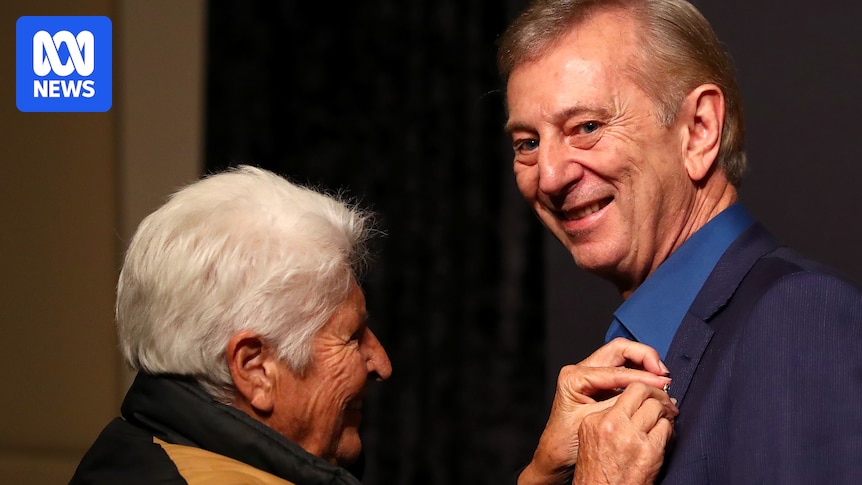
The fossil, a prosauropod footprint, was originally found in 1958 by Bruce Runnegar, then a high school student, at Petrie’s Quarry. This site, known for its Triassic plant fossils, also provided sandstone for notable buildings like Brisbane’s General Post Office. Runnegar, who later became a palaeontologist, preserved the fossil for over sixty years before contacting Dr. Romilio to have it formally documented using advanced photographic and 3D technology.
Unveiling a Hidden Treasure
Dr. Romilio expressed the global significance of this discovery, emphasizing how such pivotal finds can remain unnoticed for decades. “It shows how globally significant discoveries can remain hidden in plain sight,” he stated. The fossil’s identification as a prosauropod was achieved through meticulous comparisons with other fossilized footprints and skeletal remains from around the world.
“More than 60 years after we found it, it’s extraordinary to see it recognised as Australia’s oldest dinosaur fossil,” said Professor Runnegar.
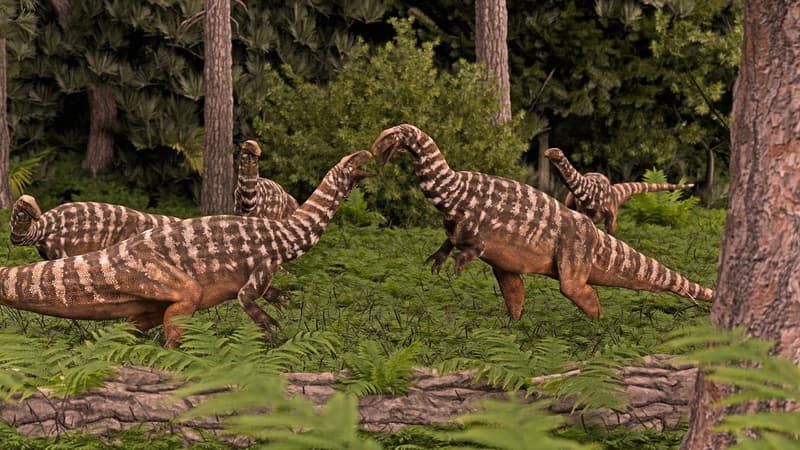
The prosauropod, a primitive relative of the later long-necked dinosaurs, was approximately 75cm to 80cm tall at the hip and weighed around 140kg. According to Dr. Romilio, the dinosaur likely left its footprint while walking through or alongside a waterway, before it was preserved in sandstone.
A New Chapter in Australia’s Paleontological History
This discovery not only predates the previously oldest-known dinosaur fossils in Australia, which were footprints found in Ipswich dating back approximately 215 million years, but also adds a new dimension to the understanding of dinosaur evolution and migration patterns.
Dr. Romilio’s use of innovative technology to study the fossil has opened new avenues for paleontological research. His ability to reconstruct and analyze dinosaur footprints has provided deeper insights into the behavior and environment of these ancient creatures.
Implications for Future Research
The fossil is now housed at the Queensland Museum, where it will be available for ongoing research. This discovery sets a precedent for future paleontological explorations in Australia, encouraging researchers to re-evaluate existing collections and explore new sites with advanced technology.
As scientists continue to uncover the mysteries of the past, this finding serves as a reminder of the hidden treasures that may still lie beneath the surface, waiting to redefine our understanding of history.
The move represents a significant step forward in the study of prehistoric life in Australia, offering a glimpse into a time when dinosaurs roamed the continent. As research progresses, the implications of this discovery will likely extend beyond Australia, contributing to the global narrative of dinosaur evolution.