


In a nation renowned for its bustling metropolises and iconic landmarks, the city of Matsuyama in Ehime Prefecture stands as a tranquil oasis, largely untouched by the throngs of international tourists. Nestled on Shikoku, the smallest of Japan’s four main islands, Matsuyama is celebrated as Japan’s “citrus kingdom,” offering a unique blend of cultural and natural attractions that remain largely undiscovered by the global travel community.
The region’s citrus legacy is evident as you wander the streets of Matsuyama. On the path leading to the historic Matsuyama Castle, visitors can enjoy freshly squeezed mandarin-orange juice from a quaint, unmanned stand for a mere 200 yen, or less than $2. This charming facet of Japanese culture, where trust and honor are paramount, is just one of the many reasons why Matsuyama captivates those who venture here.
Matsuyama: A Historical and Cultural Gem
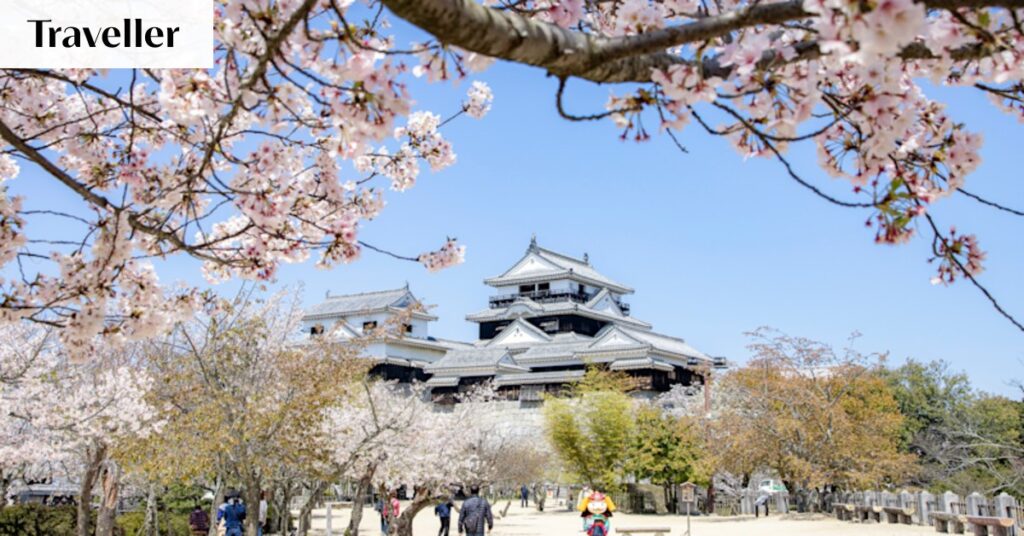
Matsuyama Castle, a commanding presence atop a steep hill, offers panoramic views of the surrounding cityscape and the Seto Inland Sea. Built in 1603, the castle is one of Japan’s few remaining structures to retain its original tenshu, or central tower, despite the widespread destruction of similar sites during World War II. The castle’s preservation as a National Historic Site since 1952 underscores its cultural significance.
Beyond the castle, Matsuyama is home to the Ishiteji Temple, where citrus fruits such as daidai (bitter orange) and mikan (mandarin-orange) are prominently displayed during New Year’s celebrations. These fruits symbolize prosperity and longevity, adorning temple entrances and playing a role in traditional rituals.
Exploring the Therapeutic Waters of Dogo Onsen
Another jewel in Matsuyama’s crown is the Dogo Onsen, Japan’s oldest hot springs resort, with a history spanning over 3000 years. The legend of a white heron discovering the healing waters lends a mystical aura to the onsen, which is said to have inspired the setting for the acclaimed animated film “Spirited Away” by Studio Ghibli. Despite the influx of visitors during peak seasons, the onsen retains its charm, offering both public and private bathing experiences.
For those seeking privacy, the luxurious Dogo Miyu onsen ryokan provides private onsen bathtubs on suite balconies, allowing guests to soak in the therapeutic waters while enjoying views of the city. This exclusivity is particularly appealing to Japanese celebrities, who prefer the privacy of in-room tubs over communal bathhouses.
The Untapped Potential of Ehime’s Tourism
While Japan grapples with overtourism in cities like Tokyo and Kyoto, Matsuyama remains a serene escape. In 2025, Ehime welcomed only about 500,000 international visitors, a stark contrast to the 10 million who visited Kyoto. The absence of Chinese tourists, following diplomatic tensions, further underscores the region’s potential for growth in the tourism sector.
“Japan was projected to have 40 million international tourists in 2025. However, in Matsuyama, Western visitors are much less visible, offering a peaceful alternative to Japan’s more crowded destinations.”
As Matsuyama continues to develop its tourism infrastructure, the city stands poised to offer a unique experience that combines the tranquility of its natural landscapes with the richness of its cultural heritage. For travelers seeking an authentic Japanese experience away from the crowds, Matsuyama is a destination ripe for discovery.
From its citrus-infused streets to its historic hot springs, Matsuyama offers a refreshing perspective on Japan, inviting visitors to explore its hidden treasures and savor the simplicity of its everyday life.