



In a country renowned for its bustling metropolises and iconic tourist destinations, Matsuyama stands as a delightful anomaly. Nestled on Shikoku, the smallest of Japan’s four main islands, this city is the capital of Ehime Prefecture and is affectionately known as Japan’s “citrus kingdom.” Despite its charm, Matsuyama remains largely undiscovered by international tourists, offering a serene escape from the overcrowded streets of Tokyo and Kyoto.
Matsuyama’s allure lies not only in its citrus heritage but also in its cultural and historical richness. On the streets leading to Matsuyama Castle, a historic site perched atop a steep hill, visitors can quench their thirst with fresh mandarin-orange juice directly from a tap. For just 200 yen, or less than $2, this quirky experience exemplifies the trust and simplicity that often characterize Japanese society.
The Citrus Kingdom of Ehime
Ehime Prefecture, occupying much of Shikoku’s western side and a scattering of smaller islands in the Seto Inland Sea, is celebrated for its abundant citrus production. To the Japanese, citrus fruits hold both spiritual and culinary significance, and in Matsuyama, this is evident at every turn. The city’s streets are adorned with citrus-themed decorations, especially during New Year’s celebrations, when fruits like daidai (bitter orange), mikan (mandarin-orange), and kaki (persimmon) symbolize prosperity and longevity.
At the Ishiteji Temple, a site of spiritual importance, these fruits play a central role in traditional decorations. During a recent visit, I witnessed Japanese priests performing a fire ritual typical of Oshogatsu, the Japanese New Year, to usher in an “honourable first month” and bid farewell to the past year.
Matsuyama Castle: A Historic Marvel
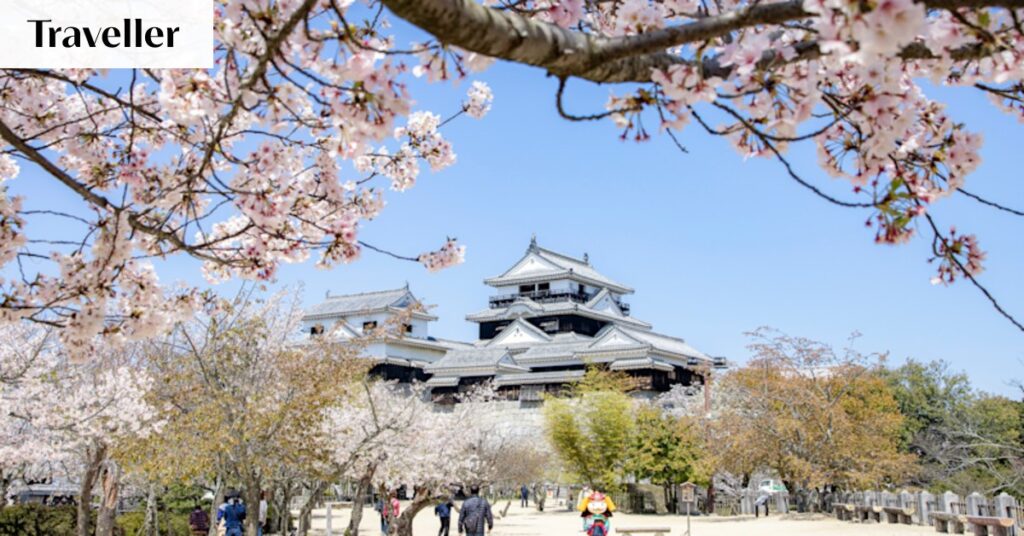
One of Matsuyama’s main attractions is its castle, a structure that dates back to 1603. Although many Japanese castles were destroyed during World War II, Matsuyama Castle has been meticulously reconstructed and stands as one of the few to retain its original tenshu, or central tower. The castle offers panoramic views of the city, mountains, and sea, providing a glimpse into Japan’s storied past.
Designated a National Historic Site since 1952, Matsuyama Castle is a testament to the resilience and preservation of Japanese heritage. Visitors can ascend to the castle via cable car or chairlift, enjoying a leisurely descent through lush forests.
The Healing Waters of Dogo Onsen
Another jewel in Matsuyama’s crown is the Dogo Onsen, Japan’s oldest hot springs resort. Dating back to the late 19th century, Dogo Onsen has a history that stretches over 3000 years. Legend has it that a white heron discovered the healing properties of these waters, leading to the bird’s miraculous recovery from an injured leg. Today, statues of white egrets adorn the onsen’s roof, paying homage to this cherished tale.
Dogo Onsen is said to have inspired the hot spring complex in the renowned animated film Spirited Away by Studio Ghibli. Despite its fame, the onsen manages to maintain a sense of tranquility, especially during the busy holiday season when many Japanese tourists flock to its soothing waters.
A Haven for the Discerning Traveler
While Japan grapples with the challenges of overtourism, Matsuyama offers a refreshing alternative. In 2025, the city welcomed only about 500,000 international visitors, a stark contrast to the 10 million who descended upon Kyoto. The absence of large tourist crowds allows for a more intimate exploration of Matsuyama’s cultural and natural wonders.
For those seeking privacy, the Dogo Miyu onsen ryokan provides an elegant retreat with private onsen bathtubs overlooking the city. This luxurious accommodation is favored by Japanese celebrities who prefer the seclusion of in-room tubs over public bathhouses.
As Matsuyama continues to captivate those who venture off the beaten path, its blend of history, culture, and natural beauty promises a truly enriching experience. Whether savoring the city’s citrus delights or soaking in its historic hot springs, Matsuyama offers a unique glimpse into a quieter side of Japan.
For travelers yearning for a fruitful journey away from the tourist throngs, Matsuyama stands ready to welcome with open arms and a glass of fresh mandarin juice.