


Extreme weather conditions across Asia have resulted in the tragic loss of more than 800 lives, as floods, cyclones, and relentless rain continue to impact millions. In Sri Lanka, the death toll from Cyclone Ditwah has reached 212, with 218 individuals still reported missing, according to officials on Sunday. The crisis has been exacerbated by floodwaters breaching a dam, prompting ongoing rescue operations now entering their fourth day.
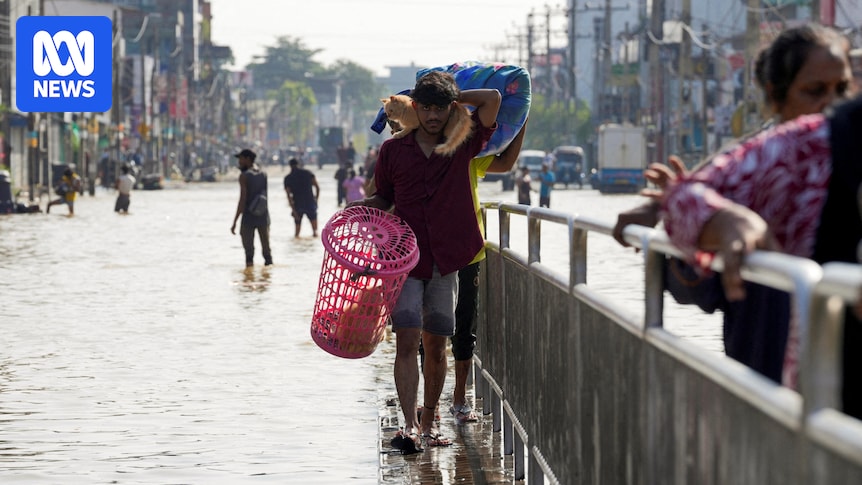
Nearly a million people in Sri Lanka have been affected by these severe weather conditions, with approximately 200,000 individuals seeking refuge in 1,275 shelters, as reported by the Disaster Management Centre. Record-breaking rainfall since last Thursday has triggered multiple landslides in the hilly central regions, while overflowing rivers have submerged entire towns nationwide.
Sri Lanka’s Struggle Against Nature’s Fury
More than 24,000 personnel from the police, army, and air force are actively engaged in rescue missions, striving to reach families stranded by the floods. The Sri Lankan air force has utilized helicopters to evacuate over 120 people to safety after the Mavil Aru Reservoir’s dam was breached in the eastern part of the island. Additionally, around 2,000 individuals have been relocated to higher ground for safety.
Colombo, the commercial capital, is among the hardest-hit areas, with floodwaters trapping numerous families in their homes. In the suburb of Kelaniya, state agencies and donors are distributing cooked food, yet many residents report inadequate assistance. Over 17,000 people are currently residing in shelters, awaiting the receding of floodwaters.
“My sister and I were trapped on the upper floor of our home with our four children for two days,” Sunethra Priyadarshani, 37, recounted. “We slowly ran out of food. We only had biscuits and water to give them last night.”
The irrigation department anticipates a gradual recession of floodwaters over the next three days, as the cyclone moves towards southern India. Authorities have assured that power, water, and communication services will be progressively restored following the damage inflicted on transmission lines and transformers.
South-East Asia: A Region in Crisis
Meanwhile, Indonesia, Malaysia, and Thailand are grappling with the aftermath of torrential rains that have caused floods and landslides, raising the death toll to over 600. Relief efforts for tens of thousands of displaced individuals are ongoing, as South-East Asia faces widespread devastation from a rare tropical storm that formed in the Malacca Strait.
Official statistics reveal that more than 4 million people have been affected, with nearly 3 million in southern Thailand and 1.1 million in western Indonesia. Indonesia has reported 435 deaths, Thailand 170, and Malaysia three fatalities. In Indonesia, the island of Sumatra has been particularly hard-hit, with reports of residents resorting to stealing food and water to survive.
According to the National Disaster Management Agency, “The floods have killed 442 people and displaced 290,700, with nearly 3,000 houses damaged, including 827 that have been flattened or swept away.”
The challenging weather conditions and lack of heavy equipment are hindering rescue efforts. Aid has been slow to reach the most affected areas, such as the city of Sibolga and Central Tapanuli district in North Sumatra. Videos on social media depict desperate residents navigating through flooded streets to secure essential supplies.
Efforts and Challenges in Indonesia
Police spokesman Ferry Walintukan stated that reports of looting emerged before logistical aid arrived, prompting the deployment of regional police to restore order. Eleven helicopters have been dispatched from Jakarta to facilitate logistics distribution, particularly in areas inaccessible by land.
“Unpredictable weather often hampers aid operations,” noted Indonesian cabinet secretary Teddy Indra Wijaya.
In a bid to support communication efforts, Starlink announced on Saturday that it would provide free satellite internet service to those affected by floods in Indonesia and Sri Lanka until the end of December.
Looking Ahead: Recovery and Resilience
The ongoing disaster highlights the urgent need for improved infrastructure and disaster preparedness in the region. As rescue and relief operations continue, the affected countries must also focus on long-term recovery plans and strategies to enhance resilience against future extreme weather events.
Experts emphasize the importance of international cooperation and support in addressing the immediate needs of those impacted, as well as in rebuilding efforts. As the region grapples with the aftermath of these devastating storms, the resilience and solidarity of its people remain a beacon of hope amid adversity.