

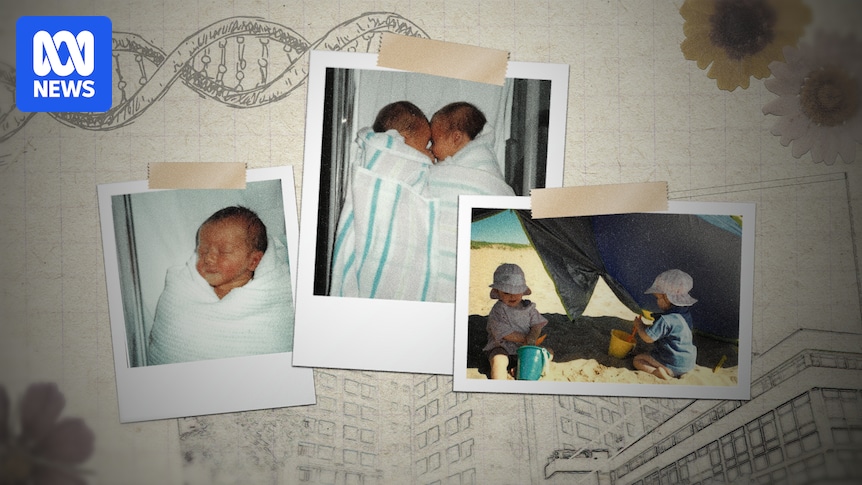
When Sasha Szafranski connected with a stranger on a genealogy website, she uncovered a mistake that had been hidden for 30 years. It was a match she never saw coming. In 2025, she sent a sample of her DNA to Ancestry.com, hoping to learn more about her father’s Eastern European heritage. Instead, her results revealed a connection much closer to home.
Sasha matched with Elizabeth*, a stranger from the same coastal city she grew up in. Their initial conversation quickly turned into a life-altering discovery. Elizabeth identified herself as Sasha’s aunt, prompting Sasha to delve deeper into her family’s history. The revelation that Sasha and her twin sister were IVF babies led to the uncovering of a decades-old mix-up at a Sydney hospital.
The Mix-Up Unfolds
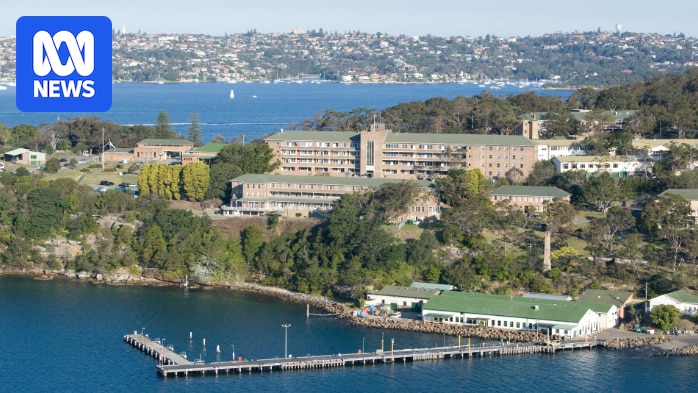
In 1995, Sasha’s mother, Penny Szafranski, underwent IVF treatment at Royal North Shore Hospital in Sydney. After years of fertility struggles, Penny gave birth to twins, Sasha and her sister. However, a DNA test decades later revealed that the embryos transferred to Penny were not her biological children.
The mix-up was confirmed through further DNA testing, showing a 99.9 percent chance that another couple were the biological parents of Sasha and her twin. This revelation has left both families grappling with the implications of the error.
Historical Context and Expert Opinions
The IVF mix-up at Royal North Shore Hospital is not an isolated incident. Australia’s second-known case of an IVF embryo mix-up follows a similar revelation last year in Brisbane. These incidents highlight potential regulatory blind spots in the IVF industry, which experts say need urgent attention.
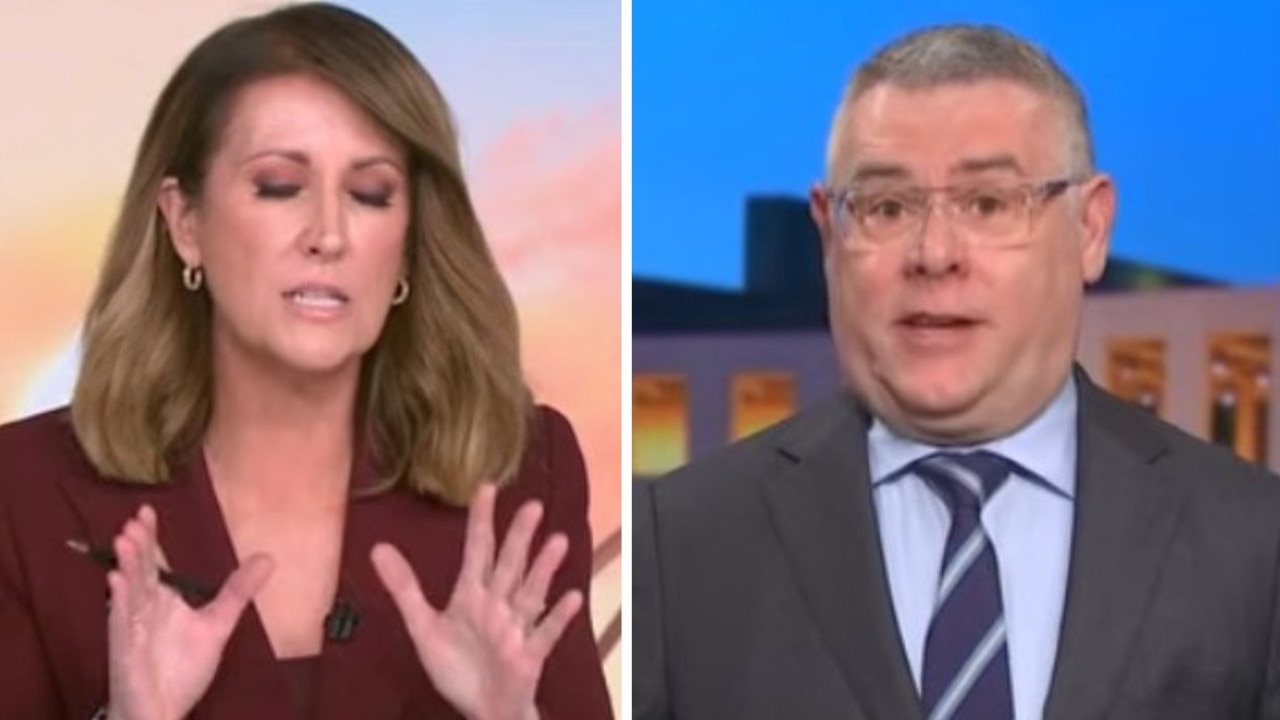
“The fact is serious mistakes are not reported transparently, not even to me as Australia’s health minister, and that’s got to change,” said Federal Health Minister Mark Butler.
Experts suggest that the IVF industry’s evolution since the 1990s has made it one of the safest in the world, yet these errors underscore the need for stricter oversight and transparency.
The Emotional Toll on Families
The emotional impact on the Szafranski family has been profound. Sasha’s mother, Penny, expressed her deep distress over the identity crisis her daughters face. “Their identity has been taken,” she said. “They’re not who they thought they were and they’re struggling.”
Sasha, meanwhile, has been navigating her new reality, forming relationships with her biological family while maintaining her bond with Penny, who raised her. “Mum’s still Mum,” Sasha affirms. “What happened has erased nothing in that sense.”
Seeking Accountability and Change
Both families have sought legal counsel to investigate the responsible parties. However, they have encountered a complex web of entities and a lack of accountability. Royal North Shore Hospital’s fertility unit was transferred to North Shore A.R.T in 1994, and subsequent acquisitions have muddied the waters of responsibility.
“No-one at the moment is owning up. Everyone is just saying, ‘It’s not us. It’s them or someone else,'” Penny lamented.
Despite the ongoing legal proceedings, Sasha has distanced herself from litigation, focusing instead on advocating for reform and support for affected families.
Moving Forward
As the families continue to seek answers, they are also working towards finding a new normal. Sasha has begun to understand more about herself through her biological family, discovering shared interests and traits. Yet, the journey is fraught with emotional challenges.
“I’m just showing up one day at a time. There’s no guide to this,” Sasha says, reflecting on the complex situation she finds herself in.
The Szafranski family’s story serves as a poignant reminder of the human impact of medical errors and the urgent need for systemic changes in the IVF industry to prevent similar incidents in the future.