

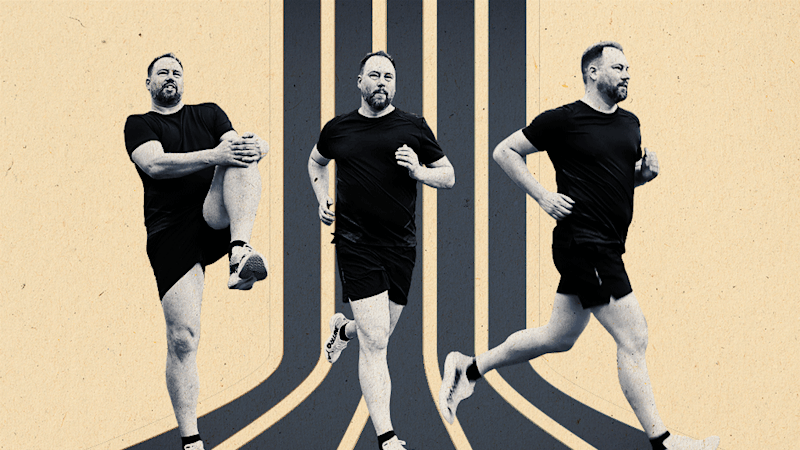
It’s a rainy, grey morning at the Collingwood Harriers Athletic Club in Melbourne, yet the vibrant trills of rainbow lorikeets and the hum of commuter traffic create a lively backdrop. On this June 5, 2024, I mark the 156th consecutive day of running, with a commitment to continue for a full year, rain or shine, in sickness and in health. This journey began as a New Year’s resolution, a personal challenge to combat my sedentary lifestyle and health issues, including sleep apnea and exercise-induced asthma.
At 46 years old, weighing 117 kilograms, I was technically classified as obese. Running seemed like an elegant solution to improve my health, but I needed a strict rule to keep me accountable. Thus, the idea of running every day for a year was born. Today, I’m meeting Hugh van Cuylenburg, a podcaster and Victorian nominee for Australian of the Year, for a session on a tartan athletics track.
The Genesis of a Challenge
Reflecting on the past December, I realized my tendency towards holiday laziness and decided to take action. Running daily became my tool for transformation. As a sportswriter, I leveraged my network to gain insights from elite athletes and experts, aiming to understand the broader benefits of running. This journey was not just about physical endurance but also about exploring the mental and emotional aspects of running.
My plan included running with notable figures like Olympic silver medallist Jessica Hull, marathon legend Steve Moneghetti, and others, to delve into their motivations and experiences. This exploration was as much about personal growth as it was about understanding the universal appeal of running.
Insights from a Resilience Expert
Hugh van Cuylenburg, known for his work on resilience, offers a unique perspective on running. His journey from a primary school teacher to a sought-after speaker and author of “The Resilience Project” is inspiring. His approach to resilience, honed through experiences in India and working with disadvantaged children, has been transformative for many.
Van Cuylenburg’s passion for sprinting, rekindled in adulthood, mirrors my own journey. He emphasizes the importance of revisiting childhood passions, suggesting that engaging in activities we loved as children can have profound benefits in adulthood.
The Science of Sprinting
During our session, van Cuylenburg introduces me to dynamic stretches and drills designed to improve sprinting technique. These exercises focus on activating the body’s muscles in new ways, challenging the familiar patterns of movement developed over years of jogging.
He explains the importance of “thoracic activation” and other exercises that prepare the body for sprinting. These drills are not just about preventing injury but also about building energy and tension in the muscles, readying them for action.
The Transformative Power of Running
Running has not only physical benefits but also significant mental and emotional gains. Van Cuylenburg shares how sprinting helps clear his mind, allowing creative solutions and positive emotions to emerge. This “runner’s high,” he explains, is almost essential for survival, providing a sense of joy and fulfillment.
Our session concludes with a series of sprints, each one reinforcing the connection between physical exertion and mental clarity. The experience is a reminder of the power of running to transform not just the body but the mind and spirit as well.
Looking Forward
As I continue my year-long running challenge, the lessons learned from van Cuylenburg and others will guide me. The journey is about more than just completing a physical challenge; it’s about embracing the resilience and joy that running brings. The commitment to run every day is a testament to the transformative power of consistent effort and the pursuit of personal growth.
For those considering a similar challenge, the message is clear: find what you love, commit to it, and let the journey unfold. The rewards, both expected and unexpected, are worth the effort.
“The runner’s high is almost primal. Honestly, it feels essential to survival.” – Hugh van Cuylenburg