




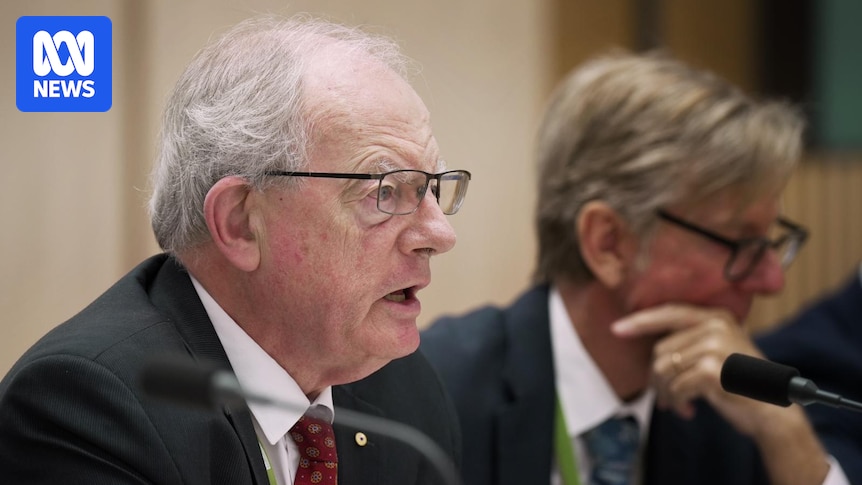
Attorney-General Michelle Rowland issued a stern “please explain” letter to Paul Brereton, head of the National Anti-Corruption Commission (NACC), last year, questioning his failure to “adequately address” his ongoing connections with Defence. The letter followed revelations that Brereton had been granted an age extension to consult for the body conducting the Afghanistan War Crimes Inquiry, a role he allegedly undertook during NACC time without informing the corruption watchdog or the government.
Brereton’s ties to Defence have been under intense scrutiny since the ABC reported on his extended consultancy, raising questions about transparency and potential conflicts of interest. In her letter dated October 12, obtained by the ABC, Rowland criticized Brereton for not detailing the nature and extent of his activities with the Inspector-General of the Australian Defence Force (IGADF).
Transparency and Public Confidence
Rowland emphasized the importance of transparency in maintaining public confidence in the commission. She urged Brereton to outline steps taken to manage any actual or perceived conflicts of interest arising from his Defence ties. “Public confidence in the commission relies on it being seen to effectively manage perceived or actual conflicts of interest,” Rowland wrote, highlighting the need for transparency.
The Attorney-General also suggested Brereton consider submitting an updated declaration of interests and take pre-emptive actions to prevent any perceptions of conflict. Under the Public Governance, Performance and Accountability Act 2013 and the National Anti-Corruption Commission Act 2022, public officials must declare material personal interests.
Brereton’s Defense
In response, Brereton defended his actions in a nine-page letter to Rowland, stating that he did not consider his ongoing involvement with IGADF “material” enough to disclose in detail. He explained that his role was to provide informal advice and respond to requests related to the Afghanistan inquiry.
“What was material was the existence of a relationship, and how it would be managed. Having disclosed the relationship with IGADF and the way in which any conflict would be managed, I did not consider its precise nature to be material,” Brereton wrote.
Brereton further clarified that his age extension was an administrative measure allowing him to access classified inquiry records, not a conflict of interest. He maintained that his disclosures complied with legal requirements, including sections of the PGPA Act and the NACC Act.
Ongoing Investigations and Implications
The saga surrounding Brereton’s Defence ties has cast a shadow over the NACC’s integrity. In response to public scrutiny, Brereton announced his recusal from all military-related investigations in October 2025. He also recused himself from specific NACC matters involving the IGADF and other related cases.
NACC Inspector Gail Furness is currently investigating Brereton’s involvement in Defence-related referrals and procurement decisions. Previously, Furness found Brereton guilty of officer misconduct for inadequately managing a conflict of interest related to a past professional association.
Next week, NACC’s chief executive, Philip Reed, and Inspector Gail Furness will appear before Senate Estimates hearings to address these issues. Brereton is not required to attend. A spokesperson for the federal integrity watchdog stated that the commission takes conflict of interest matters seriously and has implemented measures to address potential concerns.
“As reflected by Commissioner Brereton taking an additional step in October 2025 to no longer participate in any Defence referrals,” the spokesperson said. “It is satisfied with current arrangements and strategies in place to manage any conflicts of interest.”
Looking Ahead
The unfolding situation highlights the delicate balance between maintaining transparency and managing complex professional relationships within government bodies. As the NACC continues to navigate these challenges, the outcome of ongoing investigations and Senate hearings will be crucial in shaping public perception and the future operations of the commission.
With integrity and accountability at the forefront, the NACC’s handling of this case will serve as a benchmark for addressing potential conflicts of interest in public office.