


There is growing opposition to the Australian government’s plan to sell some of the nation’s most valuable military land, including the historic sites of Victoria Barracks and HMAS Penguin. Community groups and prominent figures have voiced concerns that these sites, rich in history and natural beauty, could be transformed into exclusive residential developments.
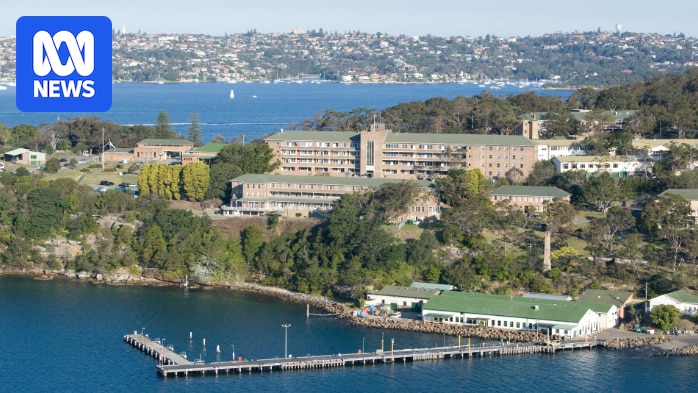
At HMAS Penguin, located on Sydney’s Middle Head, local campaigners argue that the harbourside site must be protected from developers. The area is home to pristine angophora forests, and advocates like Jill L’estrange emphasize the importance of preserving this natural heritage. “They will reap enormous amounts of money — this won’t be affordable housing,” she stated.
Historical Significance and Community Concerns
The controversy surrounding HMAS Penguin is not new. Nearly 40 years ago, a proposal to build luxury homes on Middle Head was thwarted with the help of trade unionist Jack Mundey and future NSW premier Bob Carr. L’estrange finds it ironic that a Labor government is now considering selling the site.
Former Labor Prime Minister Paul Keating has also joined the opposition, criticizing the Defence Department’s plans to sell HMAS Penguin, Victoria Barracks, and Spectacle Island. “Some of these properties are gems belonging to the national estate,” Keating remarked. “Defence holds them, not as operating assets — they have long fallen out of military use — but holds them in virtual trust on behalf of the nation.”
Government’s Justification and Economic Implications
Defence Minister Richard Marles has defended the proposal, suggesting that the sale could lead to greater public access to these spaces. “It’s hard to see how it could be less accessible to the people of Sydney,” Marles commented. However, retired Major General Fergus McLachlan questions how public this access would be, speculating that the sites might be sold to hotel or casino operators due to the high maintenance costs.
The plan to sell these military sites is part of a broader strategy to offload poorly used or unnecessary properties. A 2023 report identified 86 sites no longer needed by the military, estimating that their sale could generate up to $3 billion. However, the potential for redevelopment will significantly influence the final sale price.
One property developer had reportedly already offered $5 billion for the entire portfolio.
Preserving Military Heritage and Tradition
Victoria Barracks, with its rich history, holds a special place in the hearts of many. The site has been meticulously maintained, with its sandstone walls bearing the marks of soldiers from over a century ago. Major General McLachlan reflects on the significance of military tradition, stating, “Soldiers fight for something that is bigger than themselves. They want to be connected to a tradition and a history.”
The Commonwealth’s efforts to sell redundant properties have been ongoing for decades, partly due to the high maintenance costs estimated at $100 million annually. The battle to preserve sites like HMAS Penguin and Victoria Barracks echoes past efforts that led to the creation of the Harbour Trust in 2001, safeguarding former military sites across Sydney.
Debate Over National Estate and Defence Strategy
Keating has criticized past attempts to sell parts of Garden Island naval base, emphasizing the need for government support to maintain national heritage. “If the government wants to underwrite its commitment to AUKUS and the submarines, it should provide the budgetary space to accommodate it,” he argued.
Defence analyst Jennifer Parker supports the rationalization of defence assets but expresses reservations about the sale of Victoria Barracks and HMAS Penguin. “Our history shouldn’t dictate our capability structure,” she noted, while also acknowledging the need for difficult decisions in defence spending.
“There’s a lot of hard decisions that we need to make right now on defence spending, on capability that I wish we were progressing at a faster rate,” Parker said.
The debate over the sale of these historic sites highlights the tension between preserving national heritage and addressing modern defence needs. As discussions continue, the future of these iconic locations remains uncertain, with implications for both the community and the nation’s historical legacy.