



The 2025 election campaign in Australia has been marred by allegations of intimidation and unsafe practices, particularly involving members of the Plymouth Brethren Christian Church. Labor campaign director Madonna Stott described the atmosphere as akin to a “war zone,” significantly altering her perception of electoral campaigns. “I really like campaigning… But the thought of an election now sends a shiver down my spine,” Stott remarked, highlighting the profound impact of the recent campaign on her outlook.
The Australian Electoral Commission (AEC) has acknowledged these challenges, with acting deputy electoral commissioner Kath Gleeson expressing disappointment and concern over the reported behavior. “We want voters to feel safe, and we want our staff to feel safe in their workplace,” Gleeson stated, noting that most issues occurred outside the AEC’s controlled six-meter zone around polling places. Despite these incidents, Gleeson assured that the election’s integrity remained intact.
Allegations of Intimidation and Unsafe Practices
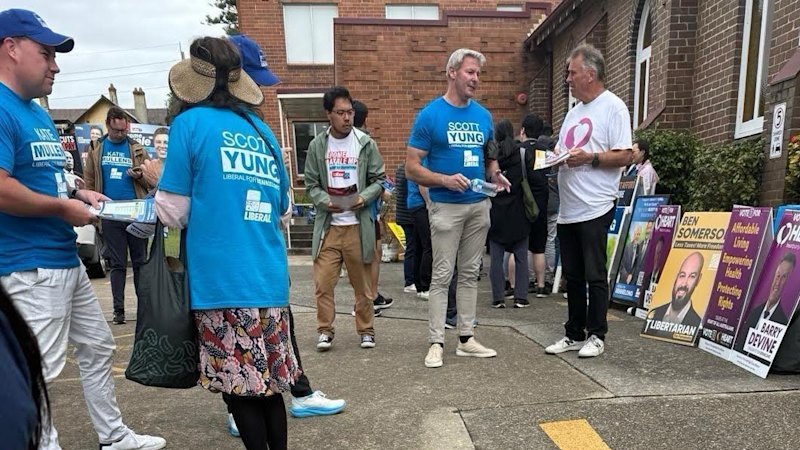
Testimonies from various witnesses paint a troubling picture of the campaign environment. Cassandra Barrett recounted a distressing experience at a pre-polling station, where she was surrounded by a “sea of blue” Liberal t-shirts, emblematic of the Brethren’s support. Barrett described being physically tapped with how-to-vote cards after declining them, an encounter she found “very overwhelming” and “jarring.” Her complaint to an AEC official was met with a resigned acknowledgment of similar grievances.
Former ALP state MP Rachel Nolan emphasized that elections should celebrate democracy, but the Brethren’s conduct had “changed the tone.” She warned that such behavior could deter voter participation, undermining public confidence in the electoral process. Labor campaign manager Madonna Stott added that Brethren volunteers followed campaigners at night and systematically destroyed Labor election posters. She also reported incidents of voters being coerced into accepting Liberal candidate cards.
Broader Implications and Responses
The Plymouth Brethren Christian Church has denied orchestrating the campaign, attributing the coordination to its community members. However, a submission revealed that parishioners donated approximately $700,000 to the political entity “Advance.” Church leader Bruce Hales had previously encouraged member involvement in a church-wide message, urging them to “dominate the play” during the election.
In response to the controversy, the electoral matters committee has received over 260 submissions, detailing similar incidents across the country. Dr. Deborah Campbell described “Brethren bros” harassing volunteers and voters in Victoria, while Catherine Duloy reported jeering in Sydney. An anonymous submission from Western Australia recounted Brethren members aggressively shouting slogans and harassing electors.
“Their aim was to negate the presence of other candidates by surrounding and isolating them, then shouting them down,” one submission stated.
Political and Social Reactions
The Liberal and National parties have not directly addressed the Brethren’s involvement, focusing instead on broader issues of campaign conduct. Liberal senator Richard Colbeck acknowledged the severity of the situation in Blair, suggesting that coordinated efforts should be declared, similar to union activities. Meanwhile, the National Party’s federal director expressed concern over perceived faith-based discrimination in public discourse.
The Brethren Church’s submission to the inquiry defended its actions, arguing that the church itself did not participate in the election. It emphasized the distinction between the church and its community, although it conceded that members were coordinated. The church also claimed that its members faced bullying and discrimination during the campaign.
Looking Ahead: Ensuring Fair and Safe Elections
The controversy surrounding the 2025 election raises important questions about the conduct of political campaigns and the role of religious organizations in politics. As the electoral matters committee continues its inquiry, the focus will likely remain on ensuring transparency and fairness in future elections. The need for clear guidelines and accountability is evident, as is the importance of maintaining public trust in the democratic process.
As Australia reflects on the recent election, the challenge will be to address these issues while respecting the rights of all participants. The outcome of the inquiry and subsequent policy changes will be crucial in shaping the country’s electoral landscape in the coming years.