



Residents are being advised to verify their measles vaccination status as health authorities warn of potential exposure risks. The alert comes in light of ongoing measles outbreaks in several countries and potential exposure locations within the region. Alison Nikitas, Director of Public Health at MLHD, emphasized the importance of vigilance, especially for those who have recently traveled abroad or visited identified exposure sites.
“If symptoms develop and you’ve been at one of the locations listed on the website, please contact your doctor or health service,” Ms. Nikitas advised. “Call ahead to advise that you may have been exposed to measles so you can avoid spending time in waiting rooms with other patients.”
Understanding Measles Symptoms and Risks
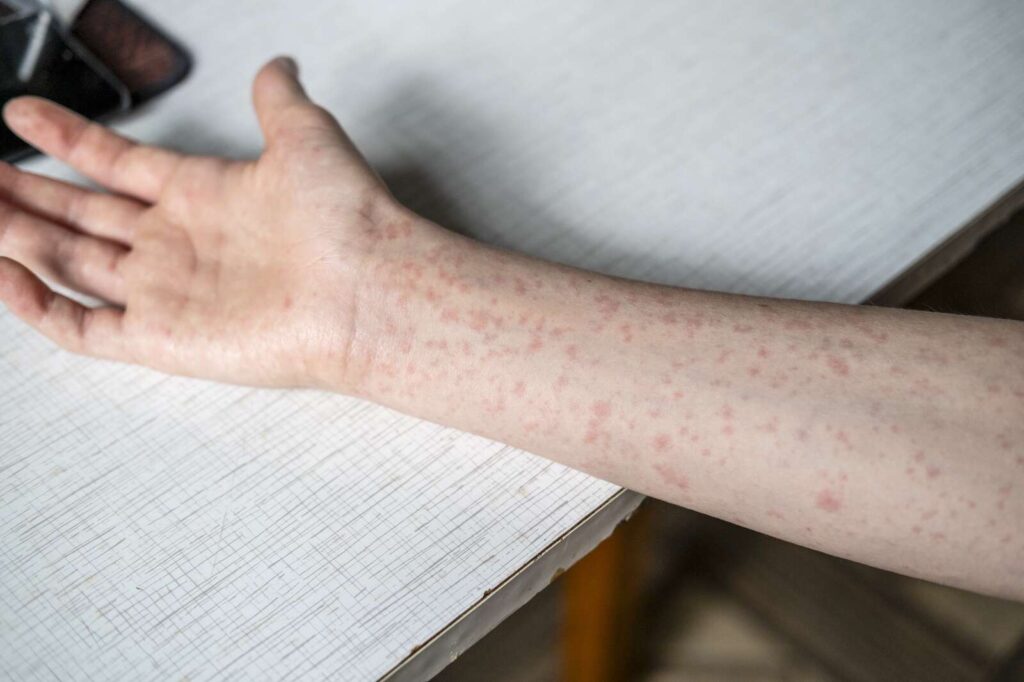
Measles is a highly contagious viral disease that can lead to serious health complications. Early symptoms include fever, runny nose, sore eyes, and a cough, typically followed by a red, blotchy rash that spreads from the head down the body within three to four days. Ms. Nikitas highlighted that symptoms could take up to 18 days to manifest after exposure, urging individuals to monitor their health closely during this period.
“Anyone who develops early symptoms and then a rash a few days later should consider measles a possibility—even if they haven’t visited a listed site—and arrange testing,” she added.
The Importance of Vaccination
Vaccination remains the most effective defense against measles. Ms. Nikitas reminded the community to verify their vaccination status, particularly if planning international travel. “Measles vaccine can prevent illness even after exposure if given early enough,” she stated. “Anyone born after 1965 should ensure they have received two doses of measles vaccine.”
The measles-mumps-rubella (MMR) vaccine is both safe and effective, available free of charge in New South Wales for children at 12 and 18 months, and for anyone born after 1965 who has not had two doses. For children aged six to 12 months traveling overseas, an early dose may be administered, and parents are encouraged to discuss this option with their GP.
Global Context and Historical Parallels
Measles outbreaks have been a recurrent global health challenge, with recent surges reported in various regions, including parts of Europe, Asia, and Africa. The World Health Organization has repeatedly emphasized the need for widespread vaccination to prevent outbreaks. Historically, measles was a common childhood illness before the introduction of the vaccine in the 1960s, which drastically reduced its prevalence.
“Given measles outbreaks are occurring in several regions internationally, ensuring vaccination is crucial for those traveling abroad,” Ms. Nikitas noted.
Access to Vaccination and Resources
For those unsure of their vaccination status, additional doses of the MMR vaccine are safe and recommended. The vaccine is readily available from GPs for all ages and from pharmacies for individuals over five years old. Health authorities encourage residents to stay informed about potential exposure locations, which are updated regularly on the NSW Health website.
In case of symptoms or concerns regarding measles, individuals are urged to contact their GP or reach out to healthdirect at 1800 022 222 for guidance.
This proactive approach by health officials aims to curb the spread of measles and protect public health, particularly in light of international travel and global outbreaks. As the situation evolves, staying informed and vaccinated remains key to preventing further spread of the disease.