

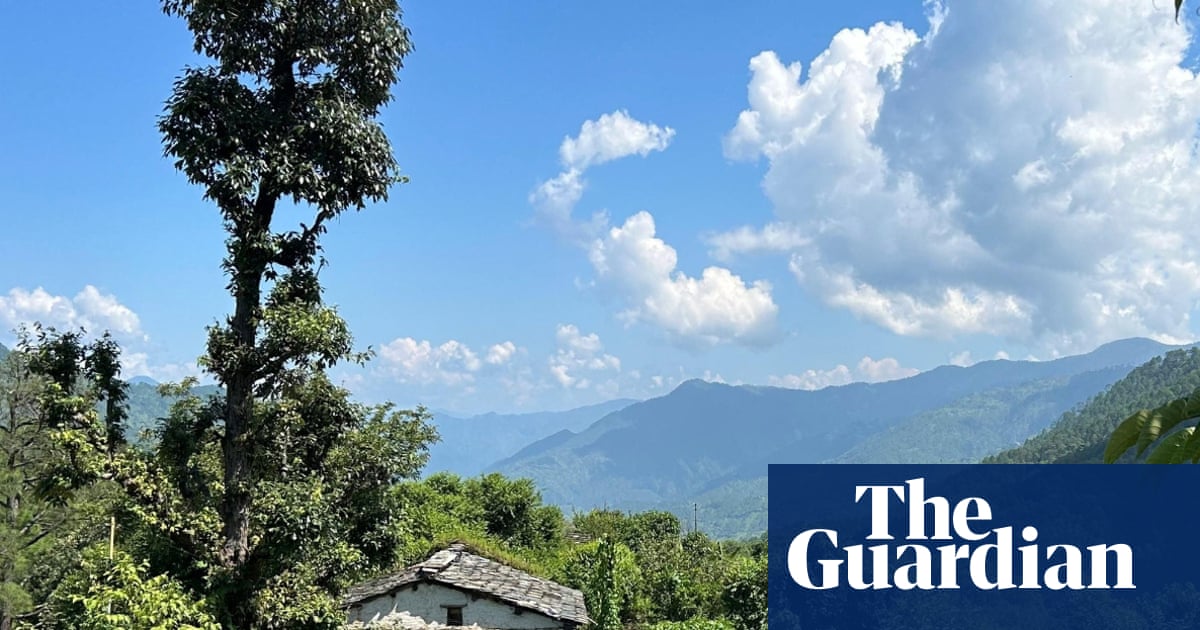

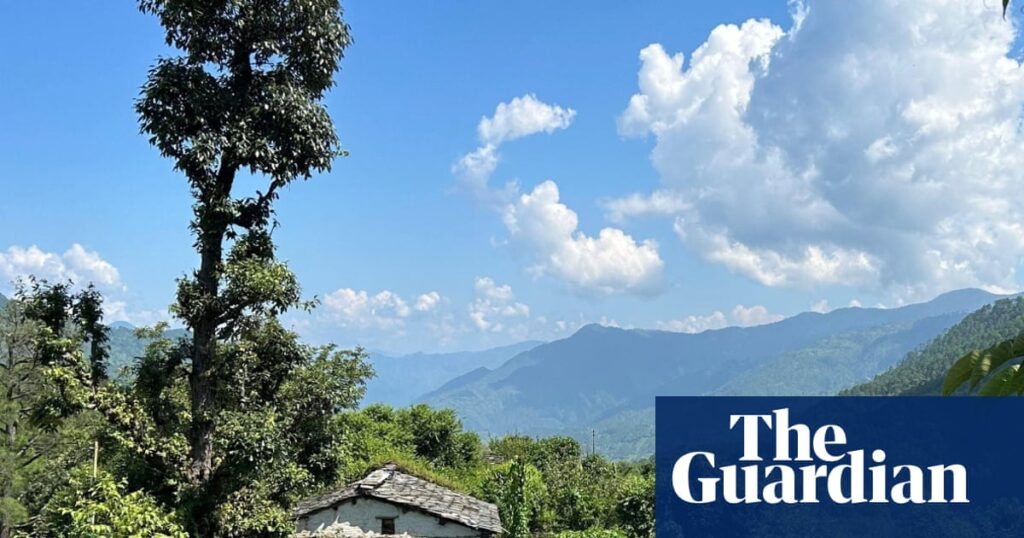
Kathdhara village, nestled within the Binsar Wildlife Sanctuary in Uttarakhand, India, is a vibrant tapestry of colors as the evening light casts a rosy glow reminiscent of Himalayan salt. The landscape is dotted with bright red chillies drying in front of cornflower blue doorways, and the vivid pink of saris and orange marigolds contrast against lush terraced fields. This small hamlet, home to just 22 families, is part of a pioneering tourism initiative that is breathing new life into India’s mountain communities.
Visitors to this remote region are greeted by the sight of villagers tending to their homes and gardens, with strings of Diwali lights adding a festive sparkle. The initiative, spearheaded by Village Ways, a leader in responsible, community-based tourism, is celebrating its 21st anniversary. Founded by Manisha and Himanshu Pande, who also manage the Khali Estate hotel within the reserve, the project aims to curb urban migration and support traditional rural life through sustainable tourism practices.
Reviving Rural Economies Through Tourism
Village Ways began in 2005 with just five villages, offering guests the opportunity to hike between them and experience authentic village life. Today, the initiative has expanded to over 30 villages across India, from Madhya Pradesh to Kerala. “The idea was to bring the community together to run something collectively, training people in all aspects of business. Everyone has a role to play,” explains Manisha Pande.
The model has gained the attention of the Indian government, leading to collaborations on various projects in other states. Most accommodations are in village-built guesthouses, with profits distributed evenly among the community, ensuring that everyone from cleaners to porters benefits. Decisions are made collectively by village committees, fostering a sense of ownership and empowerment.
“Since Village Ways’ inception, it has hosted 7,000 guests, benefiting about 5,000 people, from artists to taxi drivers. 470 villagers are directly involved in decision-making as members of the village tourism committees in six states.”
Preserving Culture and Nature
Binsar Wildlife Sanctuary, established in 1988, spans 47 square kilometers to protect the region’s broadleaf oak forests and wildlife. The sanctuary’s creation altered the local community’s relationship with the forest, ending practices like tree felling and hunting. Village Ways offered an alternative, transforming former hunters into guides who share their knowledge of the land and its wildlife with visitors, rekindling pride in local customs and traditions.
Hiking through the sanctuary reveals the rich biodiversity of the area, from Himalayan oaks, which play a crucial role in water storage and land stabilization, to medicinal plants like goat weed and Indian tobacco. The sanctuary is also home to leopards and over 200 bird species, including the crested serpent eagle and black-headed jay, making it a haven for nature enthusiasts.
Impact and Future Prospects
As the initiative celebrates its 21st anniversary, the positive impact on local communities is evident. The Village Ways charitable trust supports healthcare in remote villages, training local women to run mobile clinics. The project has created opportunities for young villagers, like 23-year-old Ashirwad Joshi from Dalar village, who has become a guide. “Since I joined as a guide three years ago, I’ve learned lots about Binsar and our birds – and my English has really improved,” he says. “I’m very happy to be part of it and share my knowledge with visitors – it makes me proud.”
Despite challenges such as ageing village populations and a decline in international visitors since the COVID-19 pandemic, the Village Ways mission remains strong. The project is expanding its ethos of community partnership and sustainable tourism to other parts of India, offering a model that benefits both locals and travelers.
As the anniversary celebrations conclude, the sense of mutual respect and warmth between visitors and villagers lingers. This type of tourism, which emphasizes collaboration and community involvement, stands out as a beacon of hope in a world often marked by division. It serves as a reminder of the power of tourism to foster understanding and support sustainable development.