




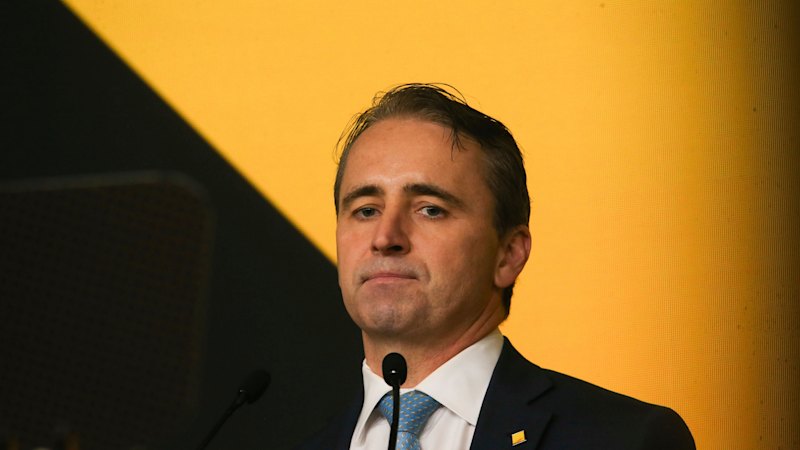
The Commonwealth Bank of Australia (CBA) has announced the elimination of 300 jobs across its retail banking, institutional, and human resources divisions. This move, which primarily affects technology workers, is part of the bank’s strategic shift towards an AI-driven future. The decision comes shortly after CBA reported a substantial $5.4 billion profit, sparking criticism from the Finance Sector Union (FSU).
The job cuts are accompanied by the rollout of a new program designed to prepare employees for the anticipated changes AI will bring to the workplace over the next five years. CBA’s CEO, Matt Comyn, emphasized that while AI is reshaping job functions, it is not the direct cause of these layoffs. Instead, the bank is consolidating roles to align with evolving technological demands.
Union Backlash and Employee Concerns
The Finance Sector Union has denounced the job cuts as “totally unacceptable,” especially in light of CBA’s recent financial success. The union has urged the bank to leverage its new skills program to assist affected workers in finding alternative positions within the organization.
“At a time when CBA has just posted over $5 billion in half-yearly profit, cutting the jobs of 300 workers is totally unacceptable,” said FSU National Secretary Julia Angrisano. “These are the very workers who helped generate CBA’s massive profits.”
A recent survey conducted by the union revealed significant employee concerns: 72% of staff expressed job security worries, 74% reported increased workloads over the past year, and half of the respondents had considered leaving the bank.
AI’s Role in Workforce Transformation
In a recent interview, Matt Comyn acknowledged that the impact of AI would vary across different roles within the bank. He stressed the importance of providing employees with ample time to adapt to these changes, highlighting the bank’s commitment to creating pathways for workers to transition into higher-value roles.
“What we want is to be able to build pathways for people to move into higher value roles,” Comyn stated, pointing to the bank’s new skills program, funded through a $90 million investment over three years.
The program aims to enhance transparency regarding the skills required for various positions, offer placement opportunities in different business areas, and facilitate the identification of transferable skills. This initiative includes AI-focused training, with CBA having already implemented a range of AI tools over the past year.
Industry-Wide Employment Trends
The announcement from CBA follows similar workforce reductions by its competitors. Last year, ANZ Bank cut 3,500 jobs, while National Australia Bank announced 410 redundancies in September. Westpac has also reportedly asked managers to consider a 5% reduction in staff numbers.
Despite the trend towards automation and technological adoption, Comyn noted that the immediate impact of AI on CBA’s workforce remains modest. He highlighted an increased demand for roles in financial crime, cybersecurity, and engineering, as well as skills such as customer engagement, critical thinking, problem-solving, and empathy.
Looking Forward
As CBA navigates this transitional period, the focus remains on equipping its workforce for a future where AI plays a significant role in operations. The bank’s investment in employee training and development underscores its commitment to maintaining a skilled and adaptable workforce.
Meanwhile, the Finance Sector Union continues to advocate for the rights and security of bank employees, urging CBA to provide genuine redeployment and retraining opportunities for those affected by the recent job cuts.
The unfolding situation at CBA highlights the broader challenges and opportunities presented by AI-driven changes in the banking sector, setting a precedent for how financial institutions may approach workforce management in the digital age.