




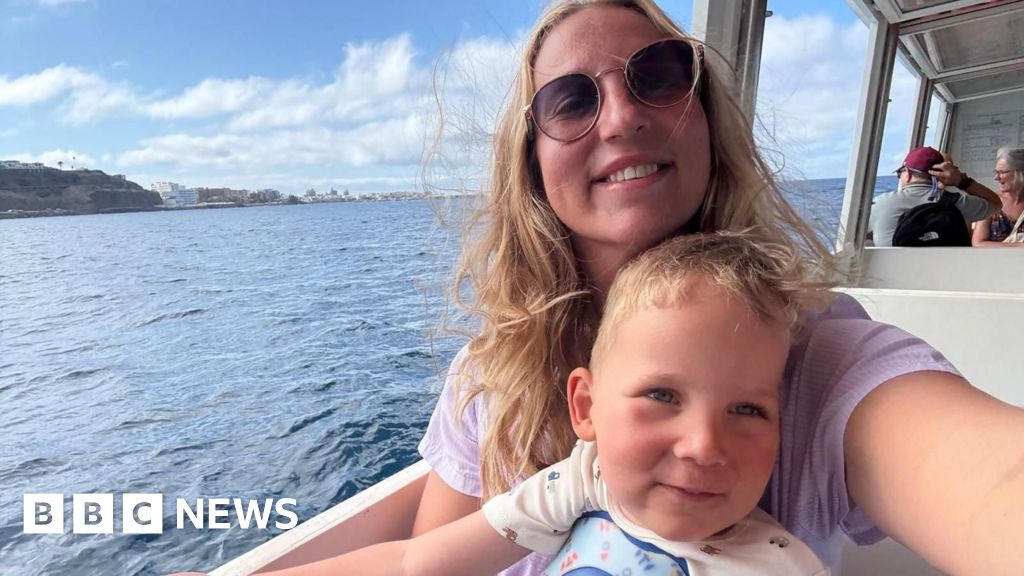
Edward, a five-year-old from Colchester, has defied the odds and is now walking independently after receiving Zolgensma, the world’s most expensive gene therapy drug, through the NHS in 2021.
Edward was diagnosed with spinal muscular atrophy (SMA) as a baby, a condition that affects muscle development due to a lack of a vital protein. His mother, Megan, describes his progress as “incredible,” noting that the once lethargic infant is now a lively, playful child.
Breakthrough Treatment and Its Impact
Zolgensma, priced at £1.79 million for a one-off treatment, was administered to Edward as one of the first cases in England. The drug is considered a breakthrough for SMA, a condition that affects approximately 65 babies born each year in England. Without intervention, most of these infants do not survive past the age of two.
Megan expressed her joy and pride in Edward’s achievements, stating, “He has achieved milestones we never thought possible.” Despite the possibility of needing a wheelchair for life, she emphasized, “It does not matter, as long as he is happy. We are so proud of him.”
Edward’s Journey and Family Sacrifices
Edward’s journey has not been without challenges. After undergoing a double hip replacement in October, he is now regaining his mobility. His mother highlights his ability to swim and enjoy activities like jet skiing, showcasing his resilience and zest for life.
The family relocated to London to access specialized physiotherapy, and Megan left her event management career to care for Edward full-time. Initially uncertain about receiving the drug through the NHS, Megan launched a fundraising campaign, raising £170,000 over five years to support Edward’s treatment and care.
“We raised £170,000 over five years but that money has nearly gone. It’s been put to a lot of good use,” Megan explained. “We’re fundraising again now because all of the progress he has made has been due to private care.”
Medical Community’s Response and Future Outlook
The medical community has shown great interest in Edward’s progress. Doctors frequently visited him in the hospital to observe the effects of the gene therapy first-hand. The NHS had negotiated a discount on Zolgensma’s list price, making it accessible to more children like Edward.
Before Zolgensma, Edward was receiving Spinraza, another drug requiring lifelong spinal injections. The long-term outcomes of Zolgensma are still unknown due to its novelty, but Megan is optimistic about the future, believing that this generation of SMA patients may be the first to reach adulthood.
Prof James Palmer, medical director for specialised commissioning at NHS England, stated, “It is a huge pleasure to see the remarkable benefits that this innovative gene therapy has provided for Edward since he was treated four years ago.”
Implications for the Future
Edward’s story is a beacon of hope for many families affected by SMA. The success of Zolgensma in his case is a testament to the potential of gene therapy in treating genetic disorders. As medical advances continue, there is optimism that more conditions like SMA will become treatable.
For now, Edward’s family continues to navigate the complexities of his condition, supported by the generosity of their community and the advancements in medical science. Their journey underscores the profound impact of innovative treatments and the enduring spirit of hope and resilience.