




As 2025 unfolded, the world witnessed a paradox in climate action. While temperatures soared and extreme weather events became more frequent, meaningful policy responses seemed to lag behind. The year was marked by the passing of renowned atmospheric scientist Professor Sulochana Gadgil, whose pioneering work on Indian monsoons and their global connections remains influential. Her insights, particularly those shared in a 2006 paper co-authored with her son Siddhartha Gadgil, resonate profoundly today.
The Gadgils’ research revealed that while drought years predictably reduced agricultural output and GDP, years of excessive rainfall did not necessarily boost economic performance. Instead, floods often followed, leading to crop destruction and economic setbacks. This pattern was evident in 2025, a year characterized by both abundant monsoons and devastating floods.
Monsoon Patterns and Agricultural Impact
In 2025, the southwest monsoon season saw a 7.9% increase in rainfall compared to the historical average from 1971 to 2020. However, this was not an unmitigated boon. Heavy rains in the western Himalayan catchments led to significant flooding in Punjab, affecting 23 districts and causing extensive damage to crops like paddy. Similarly, the typically arid region of Marathwada in Maharashtra experienced 128% of its usual rainfall, resulting in infrastructure damage and livestock losses.
Meanwhile, the northeast monsoon brought excess rainfall to 55% of India’s districts, exacerbating the challenges faced by farmers across the country. The situation echoed the Gadgils’ findings, highlighting the complex relationship between rainfall, agriculture, and economic stability.
Heatwaves: The Silent Crisis
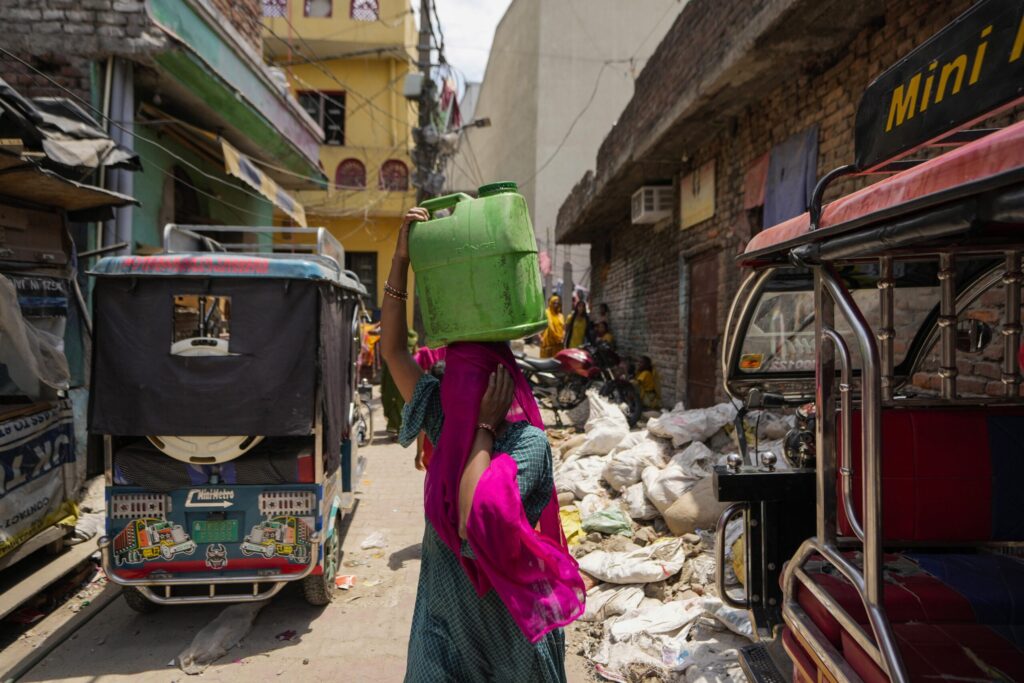
While floods captured immediate attention, heatwaves posed a more insidious threat. These slow-moving disasters disproportionately affected marginalized communities, as illustrated by several poignant stories from 2025. Simrin Sirur documented the plight of Devi Prasad Ahirwar, a Delhi security guard who suffered a debilitating heatstroke. His story underscored the vulnerability of those with limited resources, a theme echoed in studies showing higher heatstroke mortality rates among marginalized castes.
Other reports highlighted the compounded challenges faced by individuals with disabilities and nomadic communities. Aishwarya Tripathi’s coverage of heat stress among people with spinal cord injuries in Odisha revealed their heightened susceptibility to extreme temperatures. Meanwhile, Aishwarya Mohanty and Divya Vilvaraj followed the Raika pastoralists of Rajasthan, whose traditional migration patterns were disrupted by rising temperatures and shrinking grazing lands.
Policy Shifts and Environmental Governance
On the policy front, 2025 was a year of contradictions. India achieved a significant milestone by generating 50% of its power from non-fossil fuel sources, five years ahead of its 2030 target. However, environmental governance faced setbacks. The Supreme Court’s initial ban on post-facto environmental clearances was overturned, and mining projects were exempted from public review, raising concerns about transparency and accountability.
At the international level, India assumed a leadership role at COP30 in Belém, Brazil. Despite the absence of a clear roadmap for fossil fuel phase-out or climate finance, India advocated for equity and financial support, emphasizing the need for domestic resource mobilization to address climate challenges.
Future Directions and Challenges
As the year concluded, two government decisions cast long shadows over India’s climate future: the reduction of the Aravallis’ ecological significance and the restructuring of the employment generation act, a crucial buffer against climate impacts in rural areas. These moves underscore the urgent need for India to craft and implement its own climate strategies, given its unique vulnerabilities.
The legacy of Professor Sulochana Gadgil serves as a reminder of the critical intersection between scientific understanding and policy action. As India navigates the complexities of climate change, it must prioritize sustainable development and resilience-building to safeguard its future.